Harnessing Nature: The Science Behind Modern Genomic Tools
The ability to edit genes is a monumental scientific leap that impacts multiple fields, from healthcare to agriculture. At the heart of this are powerful tools that allow scientists to make precise modifications in the genetic material of organisms.
CRISPR-Cas9: A Revolution in Gene Editing
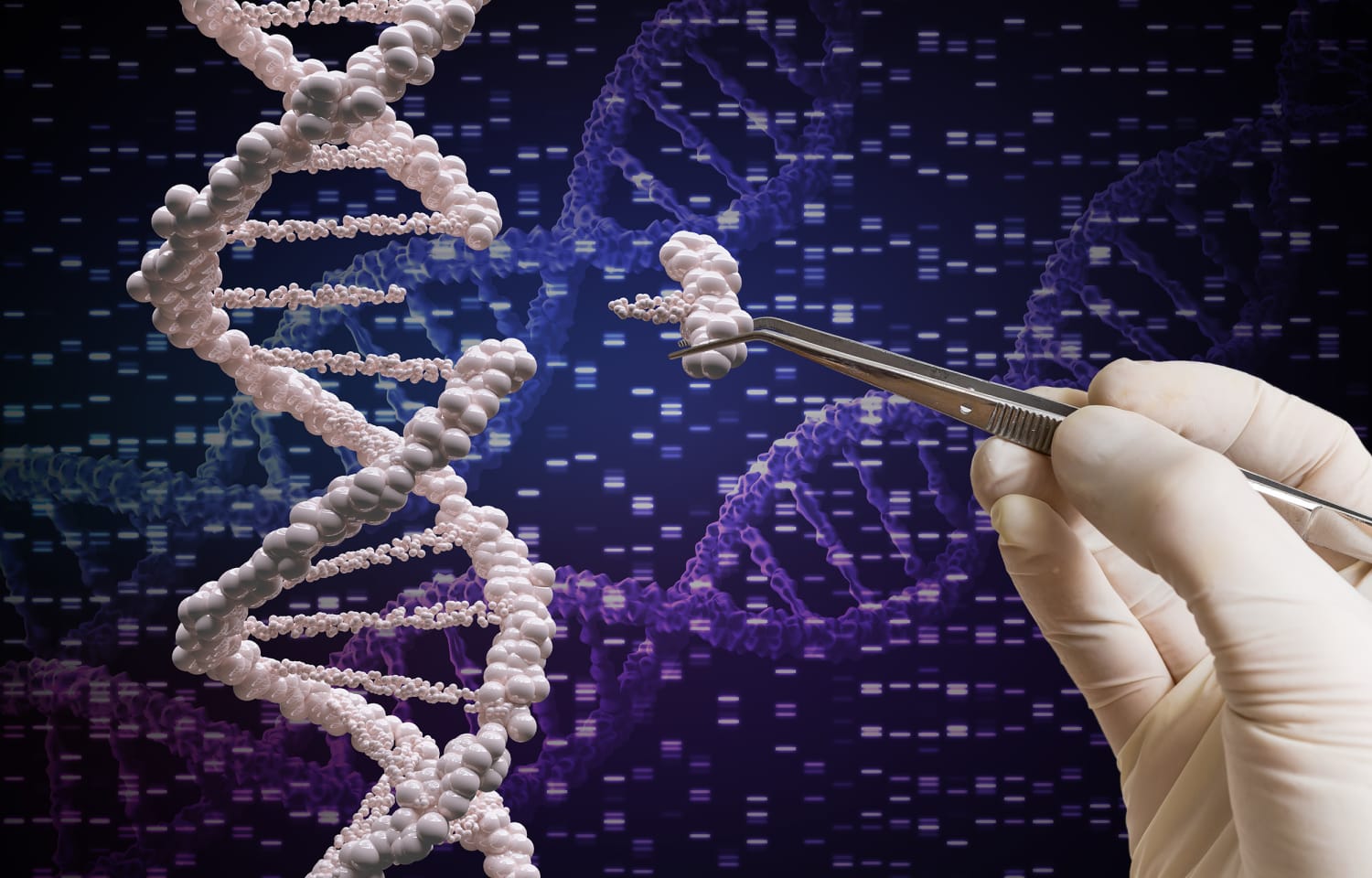
CRISPR-Cas9 technology operates much like a pair of molecular scissors that can cut DNA at specific locations, allowing scientists to remove, add, or alter genetic material. This tool provides a way to fix the "typos" in our DNA, offering real hope for curing genetic disorders that were previously untreatable. For instance, diseases such as cystic fibrosis or sickle cell anemia, which are driven by specific genetic anomalies, could potentially be corrected using CRISPR.
Personalized Genomics: Tailoring Healthcare to You
With advances in genomic editing, medicine is moving towards more personalized healthcare. This involves tailoring medical treatment to the individual's unique genetic makeup. By analyzing one's DNA, doctors could offer a bespoke healthcare plan, taking into account both genetic predispositions and likely responses to treatments.
Personalized medicine is not a futuristic concept; it's already gaining traction. Imagine being able to design a nutrition plan specifically optimized for your genetic profile or choosing the most effective medication with minimal side effects. The goal is to prevent diseases altogether or catch them at an early, more treatable stage. This approach could transform healthcare by shifting from a one-size-fits-all model to individualized treatment plans, potentially extending lifespan and improving quality of life.
Molecular De-Extinction: Reviving the Past to Benefit the Future
Gene editing extends beyond curing human diseases; it's being utilized to explore the areas of molecular de-extinction. This involves bringing back extinct genetic sequences from organisms, which could unlock new bioactive compounds with applications in medicine.
For example, harnessing antibiotic compounds from extinct bacteria might offer new solutions in the fight against antimicrobial resistance. By reviving these genetic materials, scientists can study how these compounds fend off infection, and potentially apply this knowledge to developing new antibiotics. This innovative approach underscores the breadth of genomic editing's potential, providing tools not only to alter living organisms but also to resurrect valuable biological functions from the past.
Healing through Precision: How DNA Rewriting Transforms Healthcare
Advancements in genomic editing are setting the stage for revolutionary changes in healthcare. By addressing genetic abnormalities at the DNA level, we unlock new pathways for treating disease, offering hope for conditions deemed incurable in the past.
Revolutionizing Immunotherapy for Cancer
Traditional cancer therapies can be aggressive and taxing on patients, but genomic editing is paving the way for more targeted approaches. One revolutionary concept is the in vivo production of CAR T-cells, which empowers the body's immune system to attack cancer cells more precisely.
This method involves modifying T-cells directly within the patient's body, streamlining the therapy by bypassing the need for extensive lab procedures. Although still in the experimental phase, early trials demonstrate excellent tumor control, showcasing the potential to improve cancer treatment outcomes significantly. This approach could lead to fewer side effects and quicker recovery times, which is a major improvement over conventional therapies.
AI and Genomic Data: A Powerful Partnership
Artificial Intelligence (AI) is playing a pivotal role in unlocking the full potential of genomic data for precision medicine. By leveraging AI, vast datasets can be analyzed more effectively, making it possible to discern subtle patterns that inform treatment strategies.
For example, AI algorithms are being employed to stratify cancer patients based on their genomic profiles, ensuring personalized treatment plans that maximize efficacy and minimize unnecessary interventions. This marriage of AI and genomics is not only about improving individual patient outcomes but also about optimizing drug discovery and development processes. The insights gathered from AI-driven analyses could hasten the advent of new treatments, propelling us towards a future where diseases are managed with unprecedented precision and efficiency.
Decoding Complex Traits with Polygenic Risk Scores
The human genome is complex, and many diseases result from interactions between multiple genes. Polygenic risk scores are sophisticated statistical tools that help scientists identify which genetic variants contribute to common conditions like diabetes and heart disease.
Unraveling Myths: What You Need to Know About Gene Editing
There is a lot of hype surrounding gene editing, fueled by its impressive capabilities and potential for revolutionary medical treatments. It's crucial, however, to approach this technology with a balanced understanding.
Understanding the Basics: What is Gene Editing?
At its essence, gene editing is the meticulous alteration of an organism's DNA, akin to editing a detailed instruction manual. Tools like CRISPR-Cas9 allow precise targeting and modification of specific genetic sequences without altering the whole genome. This precision holds promise for correcting genetic disorders at the source, offering new solutions for many medical challenges.
Despite its accuracy, gene editing is not a catch-all fix. There are limitations and risks associated with these interventions, such as off-target effects. The scientific community continues to refine these technologies to minimize unintended outcomes. Given the complexity of biological systems, thorough research is imperative before these tools are widely adopted in clinical settings.
Myth: Gene Editing is a Perfect and Instant Fix
A common misconception is that gene editing technologies provide flawless and immediate solutions to genetic diseases. While CRISPR and similar tools represent significant progress, they are not without challenges. Achieving precision is a complex process, and genes do not operate in isolation; they interact with a multitude of factors, including the environment.
Currently, gene editing is more focused on specific aspects of DNA that cause diseases, like mutations, which does not encompass the entirety of a disease's biological framework. Future advancements may overcome these challenges, but for now, more research is necessary to ensure the safe and effective application of these techniques.
Reality: Gene Editing Offers Hope for Treating Diseases
Despite its complexities, gene editing remains a beacon of hope for treating a host of genetic disorders. The possibility of curing diseases like sickle cell anemia highlights the transformative potential these technologies hold. As research progresses, the development of robust methodologies will further unlock their therapeutic potential.
The Ethical Maze: Balancing Innovation and Responsibility
The rapid development of genomic editing necessitates a framework that addresses the ethical implications of radically transforming life at the molecular level. How we navigate these waters will determine how responsibly we harness the potential of this technology.
The Double-Edged Sword of Innovation
While genomic editing could usher in an era of unprecedented health benefits, it must be approached cautiously. Technologies like prime editing offer remarkable precision, but the same power that can eradicate disease can also be misused for non-therapeutic enhancements, challenging ethical norms.
Striking this balance involves setting clear ethical guidelines to ensure that advancements benefit society as a whole. This involves international cooperation to establish consistent standards and proactive regulation to prevent misuse. Policymakers, scientists, and the public must work together to guide these advancements ethically, ensuring equity and societal consent.
Navigating the Ethical Landscape
A key challenge lies in addressing issues such as consent, safety, and accessibility. Patients must clearly understand the potential outcomes and risks associated with genomic interventions. Moreover, ensuring that these technological benefits are accessible to everyone, regardless of economic status, is crucial for fostering social equity.
Ethical deliberation must also extend to the long-term consequences of genomic edits, especially those that could be passed down to future generations. Engaging the public in these discussions is essential to build trust and foster an inclusive dialogue about the societal implications of these scientific advancements. Only by involving diverse perspectives can we create a consensus that supports responsible innovation.
The Role of Regulation and Governance
Robust regulations are integral to maintaining ethical standards in genomic editing. These regulations must establish clear boundaries for permissible applications while promoting transparency and public confidence. International collaboration is crucial to developing consistent guidelines and addressing the global nature of scientific research.
Question and Answer
-
What are the primary applications of CRISPR technology in gene therapy?
CRISPR technology is primarily used in gene therapy to precisely modify genes responsible for genetic disorders. This involves "cutting and pasting" DNA to correct mutations or introduce beneficial genetic changes. Applications include treating inherited genetic disorders like cystic fibrosis and sickle cell anemia, as well as developing personalized cancer therapies through CRISPR-engineered immune cells that target and destroy cancer cells more effectively.
-
How does DNA sequencing contribute to personalized medicine?
DNA sequencing plays a crucial role in personalized medicine by providing detailed insights into an individual's genetic makeup. This information helps in predicting disease risk, tailoring preventive measures, and customizing treatments. For instance, sequencing can reveal genetic predispositions to certain diseases, allowing for early interventions, or identify how a patient might respond to specific medications, enabling more effective and personalized treatment plans.
-
What ethical dilemmas are associated with genomic editing and synthetic biology?
Ethical dilemmas in genomic editing and synthetic biology include concerns about "designer babies," where gene editing could be used for non-therapeutic enhancements, raising issues of equity and consent. There are also concerns about unintended consequences, such as off-target effects and long-term impacts on the gene pool. The potential misuse of these technologies for enhancement rather than treatment presents moral questions about human intervention in natural processes and the societal implications of genetic modifications.