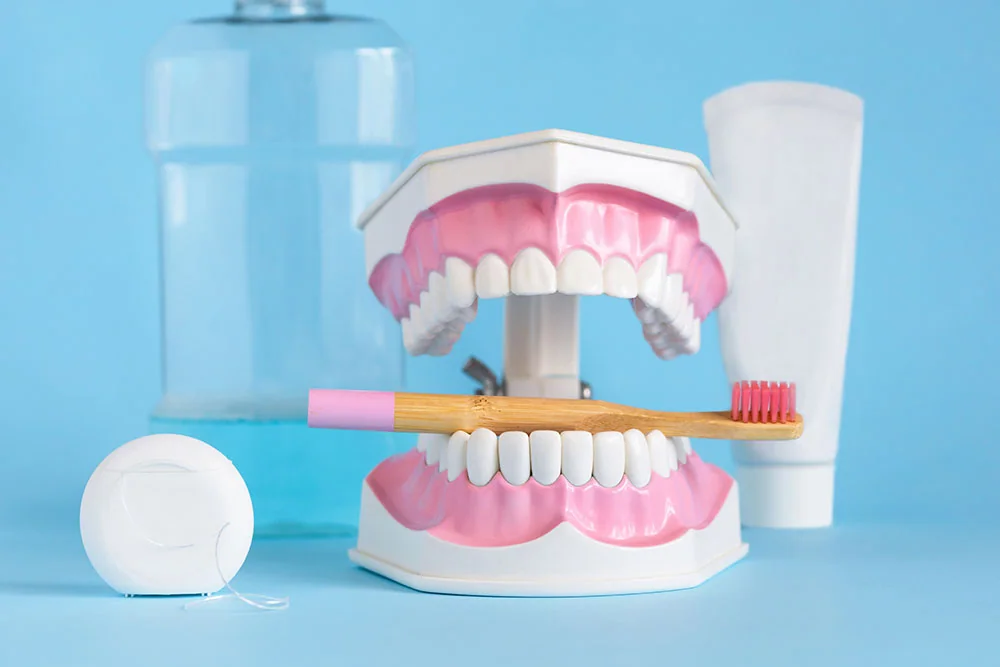
A Closer Look at Daily Care Routines
Maintaining excellent oral hygiene requires more than just occasional attention. It's about embedding consistent habits into your daily routine that not only preserve but enhance the health of your teeth and gums.
1. The Essential Brushing Ritual
Brushing is a fundamental aspect of oral hygiene. However, it's more than a perfunctory act to be rushed through in the morning rush. The type of brush and technique employed play critical roles in its effectiveness. A soft-bristled brush is recommended to prevent damage to the gums and enamel, and fluoride toothpaste can offer additional protection against cavities by strengthening the tooth enamel.
When brushing, it's crucial to use gentle, circular motions, angling the brush towards the gum line to efficiently remove plaque and debris. The surface area coverage is essential, taking at least two minutes for each session. Tools such as electric toothbrushes with built-in timers are beneficial in ensuring you're dedicating enough time to this practice. Moreover, the frequency is fundamental as well—integrating this routine twice a day into the morning and nighttime schedule is highly encouraged to ensure that plaque and bacteria accumulated throughout the day don’t lead to decay.
2. The Role of Routine Checkups
In addition to daily care, regular visits to the dentist are vital. While at-home practices maintain day-to-day cleanliness, professional checkups provide an opportunity to catch potential issues early and include a thorough cleaning to remove tartar buildup. These visits are indispensable for ensuring long-term oral wellness.
3. The Importance of Tongue Maintenance
A less often discussed but equally important aspect of oral hygiene is tongue cleaning. Our tongues can harbor bacteria that contribute to bad breath, making their cleaning essential. Whether using the back of a toothbrush or a specialized tongue scraper, cleaning the tongue can substantially contribute to fresher breath and a cleaner mouth all around.
The Dynamics of Oral Habits and Gum Care
The journey to a healthy mouth doesn't stop with brushing. Comprehensive mouth care involves a multitude of habits that work in harmony to protect both teeth and gums, ensuring optimal health and function.
1. The Strategy of Flossing
While brushing addresses the surfaces of teeth, flossing reaches the critical spaces in between. It's pivotal for dislodging food remnants and plaque that can lead to gum disease. Despite being often overlooked, making flossing habitual is crucial for preventing conditions like gingivitis, which not only affects local oral health but can impact overall systemic health.
2. Diet's Impact on Oral Health
Nutrition plays a significant role in oral hygiene. Foods rich in sugars and acids can weaken enamel and foster decay, whereas a balanced intake comprising fruits, vegetables, and whole grains strengthens the mouth's defenses. Furthermore, products high in calcium and fibers, like dairy and vegetables, reinforce your teeth's resilience and aid in saliva production, a natural protector against decay.
3. Everyday Habits Leading to Oral Perfection
Effective gum care involves more than just oral cleaning techniques; it's also about lifestyle choices. For instance, quitting smoking not only preserves the color of your teeth but reduces the risk of gum inflammation and oral cancers. Additionally, managing stress can prevent habits such as teeth grinding, which exacerbates wear and tear on teeth and impacts jaw health.
The Comprehensive Benefits of Fluids
Water plays an underappreciated role in dental health preservation, contributing significantly to the body's natural cleaning mechanisms.
1. Staying Hydrated for Oral Health
Maintaining hydration is key since it keeps the mouth moist, aiding in saliva production. Saliva acts as a natural barrier, washing away particles and neutralizing harmful acids produced by bacteria. Habitually drinking water after meals can assist in maintaining this balance, preventing the assistance that dry environments provide to decay-promoting bacteria.
2. The Protective Nature of Saliva
Saliva is not merely for keeping the mouth moist; it has a direct impact on dental health by lubricating oral tissues, converting starches into sugar for digestion, and constructing an ecosystem that is more difficult for harmful bacteria to flourish in. Understanding its importance encourages practices that support its retention, such as reducing the intake of dehydrating substances like caffeine and alcohol.
Complementing Traditional Methods with Advanced Techniques
Modern advancements provide tools that make maintaining oral health easier, offering alternatives and supplements to traditional methods.
1. Exploring Advanced Cleaning Tools
Interdental brushes can navigate spaces that standard brushes and floss may miss, especially in those with orthodontic devices. Meanwhile, water flossers offer an alternative for those who find traditional flossing challenging, applying water streams to flush out debris between teeth and along gum lines gently.
2. The Strategic Use of Mouthwash
Mouthwash can offer additional protective benefits by reaching areas inaccessible by brushing and flossing. Certain mouthwashes include ingredients like antiseptics or fluoride which assist in the reduction of plaque and the fortification of enamel, respectively. Integrating them appropriately into daily oral care routines can bolster these defenses.
Q&A
-
How does regular brushing help in preventing tooth decay?
Regular brushing helps prevent tooth decay by removing plaque, a sticky film of bacteria that forms on teeth. Plaque produces acids that can erode tooth enamel, leading to cavities. Brushing twice a day with fluoride toothpaste helps to remove these harmful bacteria and strengthen the enamel, thus reducing the risk of tooth decay. -
What role does flossing play in gum protection?
Flossing is crucial for gum protection because it removes food particles and plaque from between the teeth and along the gum line where a toothbrush can't reach. This helps prevent gum disease, such as gingivitis, by stopping the buildup of plaque that can irritate and inflame the gums. A consistent flossing habit contributes to healthier gums and overall oral hygiene. -
How do oral bacteria affect fresh breath?
Oral bacteria are a primary cause of bad breath, also known as halitosis. These bacteria break down food particles in the mouth, releasing sulfur compounds that produce unpleasant odors. Maintaining good oral hygiene, including regular brushing and flossing, helps control these bacteria and thus contributes to fresher breath. -
What are the benefits of maintaining a flossing habit for overall oral health?
A regular flossing habit is beneficial for overall oral health because it helps remove plaque and food debris that can lead to cavities and gum disease. Flossing also helps to prevent tartar buildup, which can only be removed by professional cleaning. By maintaining a flossing habit, you reduce the risk of dental issues and support healthier teeth and gums. -
Can gum protection influence the occurrence of tooth decay?
Yes, gum protection can influence the occurrence of tooth decay. Healthy gums form a tight seal around the teeth, protecting them from bacteria that can cause decay. When gums are inflamed or diseased, they can recede, exposing more of the tooth surface to decay-causing bacteria. Therefore, maintaining gum health is an integral part of preventing tooth decay.