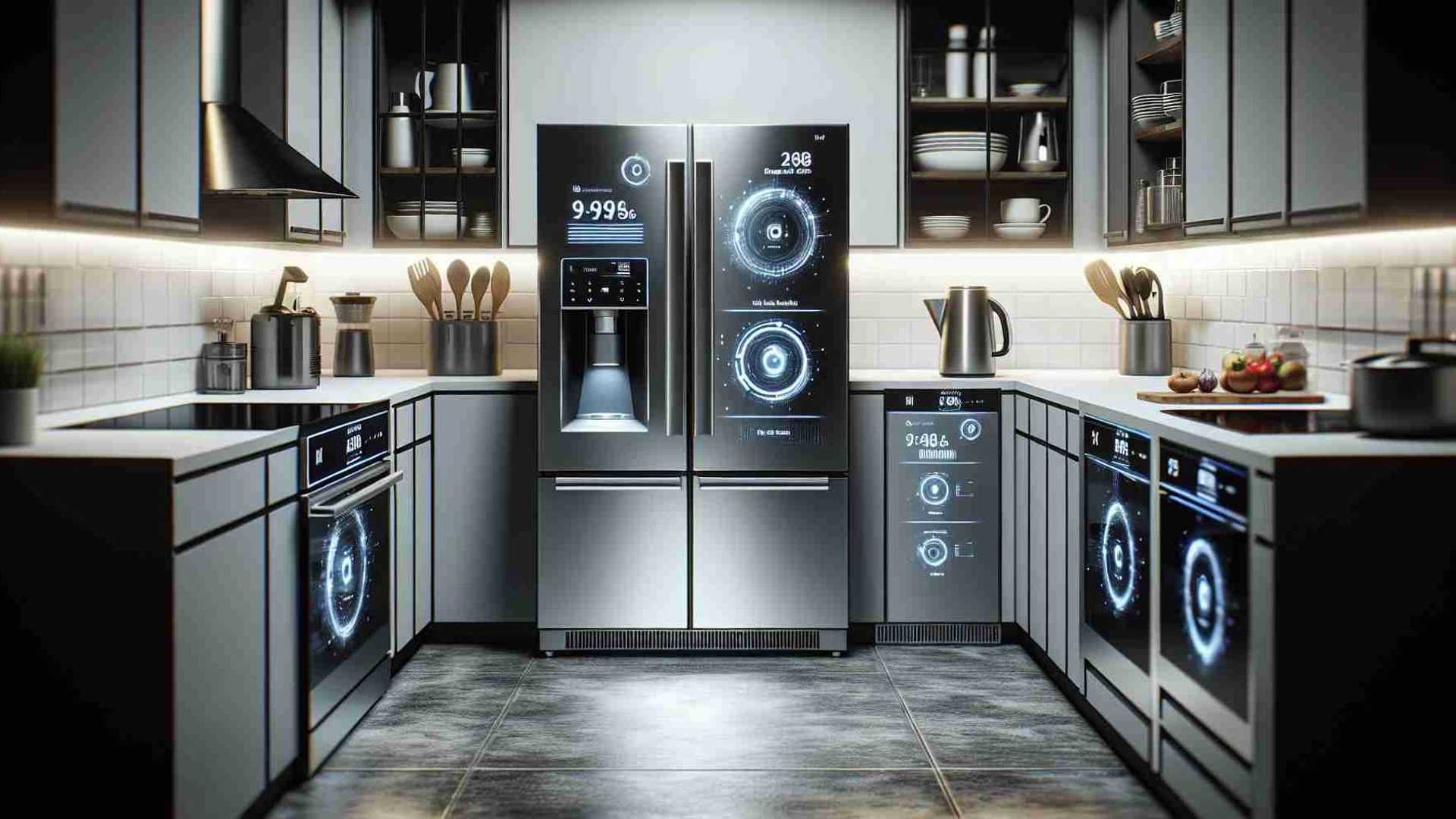
Harnessing Energy Intelligence: Making the Most of Smart Gadgets
Smart appliances have become central to creating efficient and sustainable living environments. These devices not only enhance convenience but also focus on minimizing energy consumption. This section explores key technologies and strategies for achieving energy-efficient living with smart home devices.
1. Intelligent Water and Energy Management
Smart bathroom fixtures have become crucial players in conserving resources. Features like sensor-activated faucets and connected valves significantly reduce water usage without compromising performance.
Studies have shown that integrating high-efficiency fixtures can reduce utility costs substantially. By deploying touchless controls and digital leak detection, homeowners can ensure no resources are wasted. These technologies not only foster savings but also align with sustainability initiatives by allowing continuous monitoring to optimize resource use efficiently.
2. Connected Kitchen Appliances for Energy Efficiency
The rise of connected kitchen gadgets emphasizes the importance of balancing functionality with energy conservation. Refrigerators equipped with connectivity tools, for example, enable users to manage inventories and energy settings remotely.
Appliances like intelligent washing machines integrate automation to offer shorter, energy-efficient cycles. This trend reflects a fundamental shift in consumer priorities toward cost-effectiveness and resource conservation. Smart devices are increasingly seen as investments that pay off by reducing long-term energy expenses and supporting environmental-friendly practices.
3. Energy Reduction Initiatives in Electronic Devices
Voluntary agreements aiming at energy consumption reduction highlight the collaborative efforts of manufacturers and policymakers. These initiatives target household devices, encouraging the development of appliances that meet stringent efficiency standards.
For example, set-top boxes have undergone significant transformations under such agreements, achieving notable energy savings without compromising user experience. These efforts display a commitment to intertwining convenience with sustainability, reflecting broader trends in energy-smart living.
4. Real-Time Monitoring and Efficient Energy Utilization
The integration of IoT technologies in smart homes allows real-time energy usage monitoring, enabling homeowners to better manage consumption patterns. Refrigerators, thermostats, and other connected devices generate valuable data that can help optimize energy consumption.
Through IoT technology, home systems can adjust operations based on real-time feedback, significantly reducing energy waste. This smart integration facilitates a reduction in environmental impact while maintaining user comfort, highlighting the utility of connected appliances in daily life.
The Promise of Predictive Maintenance in Smart Homes
Predictive maintenance is revolutionizing the way smart homes operate, focusing on identifying potential issues before they lead to serious problems. This proactive approach leverages IoT and artificial intelligence for monitoring appliance health, ensuring efficient and uninterrupted operation.
1. Preemptive Fault Detection and Fixes
Predictive maintenance involves real-time analytics of data collected from smart devices. By detecting anomalies early, it allows homeowners to prevent costly repairs and minimize disruptions.
Introducing IoT-powered sensors and AI-driven analysis into appliances like refrigerators or smart thermostats leads to more reliable operations, detecting problems like inefficient door seals or unexpected usage spikes. This proactive system offers peace of mind and extends the practical life of household investments.
2. Enhancing Appliance Lifespan and Efficiency
By continuously monitoring the condition of smart devices, predictive maintenance reduces unexpected downtimes. Appliances are less likely to suffer wear and tear when potential issues are managed early.
The ongoing maintenance facilitated by smart technologies ensures optimal operation, lowering energy bills and extending the longevity of appliances. This proactive care plays a significant role in maintaining a comfortable home environment, aligning with the modern homeowner's pursuit of energy efficiency and reliability.
3. Smart Systems for Household Efficiency and Safety
Predictive maintenance isn't just about lengthening the life of individual appliances but securing the entire home system's efficiency. IoT-enabled sensors monitor everything from energy meters to water consumption, providing actionable insights that promote sustainability.
Smart homes equipped with advanced monitoring systems earn an extra layer of safety. Alerts are generated when issues arise, enabling swift action to mitigate risks like electrical overloads or potential water damages. This adds an invaluable dimension of security to smart living, showcasing predictive maintenance as a cornerstone of modern home management.
Voice-Activated Living: Revolutionizing Daily Interaction
Voice control technology has unlocked new levels of convenience and accessibility in smart homes. By simply speaking commands, users can control a wide array of devices, turning everyday tasks into effortless experiences.
1. The Seamless Integration of Voice Commands
Voice-activated technology enables homeowners to interact with appliances in intuitive ways, making them more accessible to diverse users, including those with mobility challenges. Devices that respond to voice commands streamline complex processes into straightforward interactions.
Appliances like smart ovens and fridges designed with voice technology allow effortless operation and simplify multitasking, contributing to efficient kitchen management and improved cooking experiences.
2. AI-Driven Personal Assistants
Artificial intelligence is crucial in developing smarter, more responsive voice assistants that learn user preferences over time. These AI-enhanced tools help personalize the smart home experience by adapting settings, offering suggestions and automating daily routines.
AI assistants manage tasks like inventory updates or temperature regulation while learning from the user's habits. This tailored approach makes interactions with smart devices more meaningful, ensuring that technology adapts to the lifestyle rather than the other way around.
3. Embracing Automation and Connectivity
The rise in voice-activated living reflects an ongoing trend towards automation in daily tasks. This emphasizes a shift towards more connected living environments where appliances communicate seamlessly, providing comprehensive control over home systems.
As voice-activated technology continues to evolve, its integration into modern appliances not only facilitates convenience but significantly enhances the personalization of living spaces, making daily life smoother and more enjoyable.
Designing Sustainable and Connected Living Spaces
Sustainability is at the heart of smart home innovation. By integrating energy-efficient products and technologies, households can reduce their environmental footprint while enjoying enhanced lifestyle benefits.
1. Smart Connectivity and Energy Management
Appliances interconnected through IoT enable homeowners to monitor and control their energy consumption with precision. This connectivity supports sustainable living ideals by ensuring efficient energy usage across all home operations.
Smart thermostats and energy-saving programs contribute to significant reductions in energy waste. By learning user patterns, these technologies adjust settings automatically, providing optimal comfort with minimal energy expenditure.
2. Innovative Solutions for Sustainable Living
Today's smart appliances offer solutions that meet stringent sustainability standards without sacrificing functionality. Devices incorporate advanced technologies that track usage and alert users to potential excesses, helping to curtail unnecessary resource consumption.
Initiatives encourage the adoption of products designed to limit carbon footprints while emphasizing convenience and ease of use. As the smart home market adapts to these demands, consumers find themselves at the forefront of an evolution towards more sustainable and responsible living choices.
Key Focus Areas of the Smart Home Revolution
Adoption of smart home devices is reshaping daily living, emphasizing enhanced connectivity and energy efficiency as fundamental components of this shift. This table highlights core advancements contributing to the transformation of residential life.
The smart home revolution is bringing transformative changes to household management, creating environments that anticipate and adapt to user needs while promoting sustainability. As technologies continue to advance, the role of smart appliances in making our daily lives more efficient, connected, and eco-friendly will only grow.
Q&A
-
How do modern refrigerators enhance energy efficiency through thermostats?
Modern refrigerators are equipped with advanced thermostats that precisely control the internal temperature. These thermostats help to maintain optimal cooling levels without overconsumption of energy. By keeping the temperature consistent, they reduce the workload on the compressor, leading to lower energy consumption and cost savings on electricity bills.
-
What role does connectivity play in the functionality of contemporary refrigerators?
Connectivity in contemporary refrigerators allows users to monitor and control their appliance remotely through smartphone apps. This feature can include alerts for leaving the door open, temperature adjustments, and even integration with smart home systems. Connectivity enhances user convenience and allows for more efficient energy usage by optimizing the refrigerator’s performance based on usage patterns.
-
How does voice control technology integrate with refrigerators, and what benefits does it offer?
Voice control technology in refrigerators integrates through smart home devices like Amazon Alexa or Google Assistant. This allows users to control and interact with their refrigerator hands-free, making tasks such as adjusting temperatures, checking the status of food items, or even creating shopping lists more convenient. This technology enhances user experience by providing ease of access and operation.
-
What maintenance practices are recommended to ensure the longevity and efficiency of refrigerators?
Regular maintenance practices for refrigerators include cleaning the condenser coils, checking door seals for leaks, defrosting the freezer if necessary, and ensuring that the refrigerator is not overloaded. Proper maintenance ensures the appliance operates efficiently, prolongs its lifespan, and prevents potential issues that could lead to increased energy usage or malfunction.
-
How can advancements in refrigerator technology contribute to sustainable living?
Advancements in refrigerator technology, such as energy-efficient compressors, eco-friendly refrigerants, and smart sensors, contribute significantly to sustainable living. These innovations reduce the overall energy consumption and environmental impact of refrigerators. Additionally, features like energy usage tracking and optimization through connectivity help users make more informed decisions about their energy consumption, supporting a more sustainable lifestyle.