Why Track Your Everyday Sleep Routine
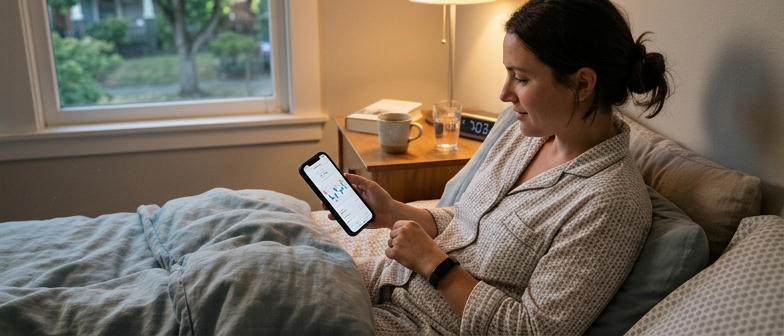
Tracking your everyday sleep routine is a practical way to see how your nights and days relate. A simple log might include when you go to bed, how long it seems to take to fall asleep, and how rested you feel when you wake. Adding brief morning energy notes can highlight links between sleep timing, sleep duration, and how alert or sluggish you feel across the day. Over time, this kind of record can help you notice whether certain habits, schedules, or changes in workload tend to coincide with better or worse rest, without suggesting that adjusting these factors will produce particular results.
Keeping a routine record also creates a clearer basis for personal review. A weekly look back at several days at once can be more reliable than memory alone and may draw attention to recurring late nights, irregular wake times, or stretches when you consistently feel less energetic. Having this information in one place can support more informed conversations with a health professional if you decide to seek guidance and can help you choose which aspects of your schedule or environment you want to experiment with, based on your own observations and preferences.
Setting Up a Simple Daily Sleep Log
A simple daily sleep log is a neutral tool for noticing patterns in your everyday sleep routine, not a medical test or diagnosis. Its purpose is to collect basic information in one place so you can compare your habits with how rested you feel over time. Many people use a notebook, notes app, or spreadsheet and give each day a small section. Keeping the format clear and uncomplicated makes it easier to write things down regularly, which is usually more helpful than tracking many details only occasionally.
Most logs focus on three core times: when you go to bed, when you think you fall asleep, and when you wake up for the day. You might record the time you got into bed, the time you turned off the lights and tried to sleep, and the first wake-up that starts your morning. Looking at these entries across days can show how close your schedule is to a consistent wake time and how much time you spend in bed. Some people also add brief notes on nighttime awakenings, such as how many times they remember waking, to give context without making the log complicated.
To connect your schedule with daily habits, many logs include a short bedtime habit note and a morning energy description. In the evening you might mention screen use, late meals, or calming activities before sleep. In the morning you can describe how alert or refreshed you feel with a simple phrase or scale. Over time, this everyday record can highlight links between evening routines, your bedtime and wake time, and how you feel the next day. If you later discuss sleep concerns with a health professional, these observations may help you explain your usual routine more clearly.
| Log Item | Role in Routine | Helps With | Notes Priority |
|---|---|---|---|
| Bedtime clock time | Anchors nightly schedule | Seeing late or irregular nights | High |
| Approximate sleep onset time | Shows wind-down effectiveness | Noticing long settling periods | Medium |
| Wake time for the day | Supports consistent wake time | Comparing morning start across days | High |
| Nighttime awakenings count | Adds context without detail | Flagging broken or restless nights | Medium |
| Bedtime habit note | Links routine to sleep timing | Tracking evening screens or meals | Medium |
| Morning energy description | Connects sleep to daytime feel | Relating alertness to schedule | High |
Using a Bedtime Habit Log
A simple bedtime habit log helps connect evening routines with how easily you fall asleep and how rested you feel. You might note when you start winding down, which calming activities you choose, and how long you spend on phones, televisions, or other screens. Some people also record when they stop caffeine or large meals, dim the lights, and get into bed. Over days and weeks, these entries can reveal patterns, such as feeling more settled on nights with a clear break from screens or a consistent relaxation routine. Reviewing the log from time to time makes it easier to adjust one habit at a time, like moving your evening screen break earlier or adding a short reading or stretching period, and then see whether those small changes relate to steadier sleep and more predictable energy in the morning.
Adding Morning Energy Notes
Brief notes about how you feel in the first hour after getting up can make your sleep routine log more useful. You might record your general energy level, mood, and ability to focus, along with the time you woke up and whether it matched your usual schedule. Over several days, these morning observations can be compared with bedtime details such as when you went to sleep, how long it took to fall asleep, and how often you woke during the night. Noticing patterns between a consistent wake time and how rested or sluggish you feel can help you adjust habits, like when you wind down or how you structure your evening, so your tracking reflects both the night’s rest and the way your day starts.
Creating a Comfortable Sleep Environment
A calm, comfortable bedroom can make it easier to track patterns in your everyday sleep routine. Many people use a simple comfort checklist, looking at light, sound, temperature, and bedding. Light is a frequent concern, and blackout curtains, adjustable blinds, or an eye mask may reduce streetlights or early morning brightness if those feel disruptive. Sound can be managed by closing doors, using a fan or a white noise machine, or wearing earplugs when needed. Room temperature also matters, and a slightly cool setting often feels more comfortable for sleep than a very warm one. Bedding that feels supportive and clean, along with pillows suited to your preferred sleep position, can contribute to a more restful setting.
Digital devices are another part of the sleep environment that many people add to their bedroom comfort checklist. Bright screens, alerts, and the habit of checking messages can make it harder to wind down. Setting a regular evening break from phones, tablets, and computers before bed may help your mind and eyes move away from daytime activity. Some people plug devices in outside the bedroom, use quiet or focus modes, or switch to non-screen activities such as reading a printed book or gentle stretching. Over time, noting how these environmental changes relate to your bedtime habits and how rested you feel in the morning can show which adjustments are useful and which ones have little effect for you.
Using a Bedroom Comfort Checklist
A short bedroom comfort checklist helps link your sleep notes to the place where you rest. Include items that affect how easily you fall asleep and wake, such as temperature, light, noise, mattress and pillow feel, bedding cleanliness, and airflow. When you complete your bedtime habit log or morning energy notes, quickly scan the checklist and mark anything that felt off, like a room that was too warm or distracting sounds. Over time, these observations highlight which small changes, such as adjusting curtains, using a fan, or rearranging the bed, seem to support a more consistent wake time and a steadier routine, while outcomes still depend on your wider habits and health.
Q&A
-
How can an everyday sleep routine log help me without acting like medical advice?
A simple log helps you notice links between your habits, sleep timing, and how you feel, but it does not diagnose conditions or replace guidance from a health professional. -
What should I include in a basic bedtime habit log?
You can note when you start winding down, screen use, caffeine or large meals, light changes, and the time you get into bed so you can compare these habits with how rested you feel. -
How do morning energy notes add value to sleep tracking?
Recording your energy, mood, focus, and wake time makes it easier to see how your nights relate to how you function in the first part of the day. -
What is a practical way to keep a bedroom comfort checklist?
Create a short list covering light, sound, temperature, mattress and pillow feel, bedding cleanliness, and airflow, and mark anything that felt uncomfortable on a given night. -
How often should I review my weekly sleep tracking records?
Looking over your notes about once a week is usually enough to spot patterns and consider small adjustments to your routine without becoming overly focused on every detail.