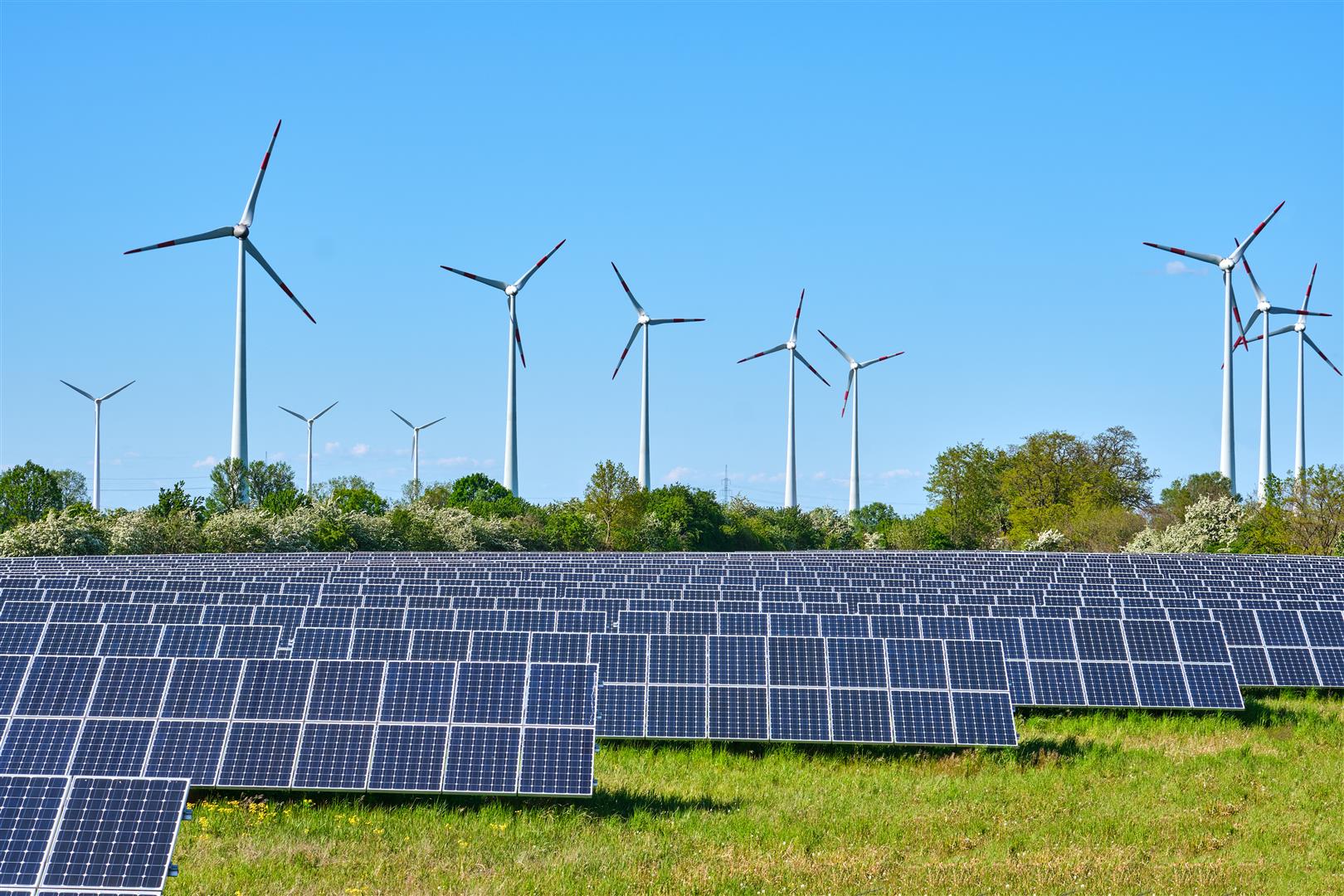
Unlocking the Potential of Hydrogen
As the world transitions to greener solutions, hydrogen is proving to be more than just a buzzword. It's steadily gaining traction as a powerhouse for energy storage and decarbonization.
Hydrogen: Transforming Energy Storage
Hydrogen technology is no longer a futuristic concept—it is making significant inroads in the energy sector. Essential developments in solid oxide electrolysis cells (SOEC) reveal hydrogen's potential to efficiently transform renewable electricity into a versatile storage medium. By harnessing the power of hydrogen, industries are positioning this element as a pivotal component in overcoming the intermittent nature of renewable sources. The integration of hydrogen allows for a flexible and scalable energy storage solution, paving the way for a more sustainable energy future.
Strengthening Grid Stability with Hydrogen
Grid stability is crucial for the broad adoption of renewable energy. Hydrogen plays an instrumental role by collaborating synergistically with battery systems to enhance grid reliability. Particularly, energy-intensive sectors like data centers are prime beneficiaries of this strategic combination, utilizing hydrogen to ensure a consistent energy supply. Such integration demonstrates the increasing commercial viability of hydrogen, positioning it as a central player in the renewable storage landscape.
Industrial Impacts of Hydrogen Adoption
The reach of hydrogen spans far beyond traditional electricity generation. From shipping industries to data centers, hydrogen's potential to decarbonize various sectors is substantial. As industries seek greener alternatives, hydrogen is set to meet rising demands driven by technological advancements, including the proliferation of artificial intelligence. The versatility and transformative capacity of hydrogen underscore its pivotal role in reshaping industrial energy consumption.
Navigating Challenges and Future Prospects
Despite its promising outlook, the hydrogen industry faces hurdles. Financial constraints and market volatility are challenging its progress. Nevertheless, technological innovations and strategic partnerships are crucial in mitigating these challenges, steering hydrogen toward a pivotal role in achieving emissions targets and cultivating a sustainable energy paradigm.
Exploring New Frontiers with Solid-State Batteries
Battery technology is undergoing a revolution, with solid-state innovations leading the charge towards a sustainable energy future.
Unveiling the Power of Solid-State Technology
Solid-state batteries symbolize a monumental shift from traditional lithium-ion systems. Utilizing a solid rather than liquid electrolyte, they offer a myriad of advantages, such as increased safety and higher energy density. The implications of these advancements are significant, particularly as the demand for reliable and efficient energy storage solutions escalates alongside renewable energy integration.
The Market Contenders in Battery Innovation
The landscape of battery development is dynamic, with companies like Tesla, CATL, and LG Energy positioning themselves at the forefront. Each company approaches battery innovation distinctively—CATL with sodium-ion batteries ideal for stationary storage, LG Energy with high-density NCM batteries, and Tesla with enhanced production capabilities for EVs and grid storage. This diverse array of strategies showcases the competitive push driving the evolution and diversification of battery technologies, crucial for scaling sustainable energy infrastructure.
The Advantages That Solid-State Technology Offers
Solid-state batteries provide unrivaled improvements, notably in safety, energy density, lifespan, and charging times:
- Enhanced Safety: Eliminating the flammable liquid electrolyte reduces risks significantly, crucial for automotive and residential applications.
- Energy Density: More energy per volume implies lighter, more efficient devices, crucial for electric vehicle range enhancement.
- Longer Lifespan: The stability of solid-state electrolytes promises durability and reduced maintenance costs.
- Rapid Charging: Enhanced ion transport supports faster recharge cycles, paving the way for convenience in electric mobility.
Complementary Technologies: Redox Flow Batteries
In parallel with solid-state advancements, redox flow batteries offer unique advantages for grid applications. By allowing independent energy and power scaling, these batteries are tailored for large-scale, stationary energy demands. Material innovations focus on enhancing performance and reducing costs, fostering a robust complementary technology for the renewable energy storage narrative.
Cost-Effective Alternatives: LFP Systems
Lithium iron phosphate (LFP) batteries represent a safe, long-lasting, and cost-effective storage alternative. Free from environmentally contentious elements like nickel and cobalt, their relevance is growing in both vehicular and stationary applications, contributing to a sustainable energy ecosystem. The focus on responsible lithium sourcing further amplifies their environmental benefits.
The Integral Role of Smart Grids in Energy Transition
Advancements in grid technology are foundational to integrating renewable storage solutions, enabling an efficient, sustainable energy future.
Rethinking Grid Management with Digital Innovations
Smart grids are the backbone of modern energy systems, employing digital and AI technologies for optimized management. By handling the variable outputs of solar and wind, these networks ensure balanced and efficient energy distribution. Real-time power routing and dynamic load management underline the capacity of smart grids to maintain grid stability amidst increasing renewable penetration.
Utilizing IoT and AI for Distributed Management
IoT-enabled devices provide unprecedented real-time insights into energy consumption and grid performance, crucial for managing distributed energy systems like solar panels. AI-driven systems utilize this data to predict consumption patterns and automate energy management, crucial for handling the growing complexity of distributed resources and enhancing resilience.
The Rise of Modular Microgrids
As energy demands evolve, modular microgrids offer localized solutions that enhance resilience and reliability. Capable of operating independently or connecting with larger grids, microgrids leverage AI for efficient energy dispatch and storage management, catering to diverse energy needs from residential to industrial applications.
Empowering Consumers with Smart Home Integration
Smart grids empower consumers by offering autonomy over energy use, facilitated through energy monitoring systems and smart home technologies. By comprehending consumption patterns, consumers can optimize usage, reinforcing the role of smart grids in enabling personalized energy efficiency and independence.
Businesses Harnessing Solar and Storage
For businesses, integrating photovoltaic systems with battery storage is transformative, enhancing sustainability metrics and reducing grid dependency. Real-time performance monitoring and smart grid capabilities align business operations with broader sustainability goals, facilitating energy resilience and cost savings.
In conclusion, as these cutting-edge technologies advance, they not only underpin improved grid operations but also accelerate the global transition to renewable energy. By seamlessly integrating these solutions, we build a robust framework for sustainable development, reshaping our energy landscape for the better.
Q&A
-
What are the advantages of using hydrogen fuel cells in renewable energy storage?
Hydrogen fuel cells offer several advantages in renewable energy storage, including high efficiency, scalability, and environmental friendliness. They can store energy for long durations, which is particularly useful for balancing intermittent renewable sources like solar and wind. Additionally, hydrogen fuel cells produce only water as a byproduct, making them a clean alternative to fossil fuels.
-
How do solid-state batteries contribute to battery innovation and sustainability?
Solid-state batteries represent a significant innovation in battery technology due to their improved safety, higher energy density, and longer lifespan compared to traditional lithium-ion batteries. These attributes contribute to sustainability by reducing the frequency of battery replacements and minimizing the environmental impact associated with battery production and disposal.
-
In what ways do smart grids enhance energy conversion and distribution?
Smart grids enhance energy conversion and distribution by utilizing advanced communication and automation technologies to efficiently manage the flow of electricity. They allow for real-time monitoring and adjustment of energy supply and demand, facilitating the integration of renewable energy sources and reducing energy wastage. This leads to a more reliable and sustainable energy system.
-
What role does energy conversion play in the effectiveness of renewable energy systems?
Energy conversion is crucial for the effectiveness of renewable energy systems as it involves transforming energy from renewable sources, like solar or wind, into usable electricity. Efficient energy conversion technologies help maximize the output from renewable sources, reduce energy losses, and improve the overall performance of the energy system, thereby supporting the transition to sustainable energy.
-
How can advancements in battery innovation impact the future of renewable energy storage?
Advancements in battery innovation, such as the development of more efficient, longer-lasting, and environmentally friendly batteries, can greatly impact the future of renewable energy storage. Improved batteries will enable better management of energy supply, facilitate the widespread adoption of electric vehicles, and enhance the reliability of renewable energy systems, thus accelerating the shift towards a sustainable energy future.