Performance Unplugged: The Real Impact of Motor Oil on Engine Efficiency
Motor oil is not just a lubricant; it’s a crucial component that ensures the efficient and long-lasting performance of your engine. There are several ways in which the right choice of motor oil can significantly impact your vehicle.
Enhanced Engine Life and Reduced Wear
Selecting the appropriate motor oil helps in reducing wear on vital engine components, significantly extending the life of your engine. This is achieved through specialized additives in modern oils that reduce friction and prevent the formation of harmful deposits. Proper lubrication minimizes surface contact between moving parts, effectively lowering the heat and wear that can cause engine degradation over time. Oils with superior protective qualities are particularly essential for vehicles operating under heavy loads or in harsh conditions, ensuring the engine's smooth running and longevity.
Optimizing Fuel Economy
Beyond protection, the correct motor oil can influence your vehicle's fuel efficiency. Oils crafted for efficiency reduce engine friction, allowing parts to function synergistically, resulting in smoother engine operation and better fuel economy. By minimizing energy loss in the engine, these oils ensure more of your fuel is converted into movement rather than wasted as excess heat, translating into savings at the pump. Given the rising costs and environmental concerns associated with fuel consumption, choosing an oil that boosts fuel efficiency is both economically and ecologically prudent.
Reducing Emissions
In today's environmentally conscious landscape, reducing emissions is paramount. Advanced motor oils play a pivotal role in meeting stricter emission regulations by helping engines run cleaner and more efficiently. Synthetic oils, with their improved stability and cleaner burning properties, reduce the formation of deposits that contribute to emissions. Selecting an oil that aligns with environmental guidelines contributes directly to reduced vehicle emissions, a pressing concern in urban settings and for planetary health.
The Art of Choosing Motor Oils: Balancing Synthetic and Conventional Options
Deciding between the various types of motor oils can be confusing. Understanding the inherent differences between synthetic and conventional oils aids in making an informed choice suited for your vehicle's specific needs.
Understanding Conventional Motor Oil
Conventional motor oils, derived directly from crude oil, remain a popular choice due to their affordability and reliability. They provide adequate protection for a wide range of vehicles, particularly older models designed before the advent of synthetic oil technology. Despite their lower thermal stability compared to synthetic oils, conventional options offer sufficient lubrication under standard driving conditions. Their primary advantage lies in cost-effectiveness, as they require more frequent changes but are less expensive upfront, making them suitable for budget-conscious drivers.
Exploring the Benefits of Synthetic Motor Oil
Synthetic oils, engineered for performance, offer superior protection and efficiency, especially in extreme operating conditions. These oils maintain a stable viscosity across a range of temperatures, providing consistent protection in both high heat and cold start scenarios, as demonstrated in the comparative data from UK automotive research.
Synthetic oils have enhanced oxidation resistance, preventing breakdown and sludge formation that conventional oils are more prone to. Although they come at a higher cost, the extended oil change intervals and comprehensive protection they offer justify the investment, particularly for modern, high-performance, or high-mileage vehicles.
Motor Oil Mastery: Understanding Viscosity, Change Intervals, and Brand Impact
Mastering motor oil knowledge involves understanding crucial concepts such as viscosity, oil change intervals, and the role brands play in product quality and performance.
Demystifying Viscosity
Viscosity is a critical property of motor oil, describing its thickness and ability to flow at different temperatures. The common numeric designations, like 5W-30, indicate how oil behaves in cold (the number before 'W' for winter) and operating temperatures (the number after 'W'). Proper viscosity ensures optimal engine lubrication; too thick and the oil won't circulate well in cold weather, too thin and it won't protect at high temperatures. Adhering to the manufacturer’s viscosity recommendation is key to maintaining engine efficiency and longevity.
The Importance of Regular Oil Changes
Regular oil changes are essential to maintaining engine health, as motor oil degrades over time due to heat and contaminants. Following recommended oil change intervals prevents the build-up of sludge and deposits that can impair engine performance. While synthetic oils allow for longer intervals, conventional oils require more frequent changes, typically every 3,000 to 5,000 miles, depending on driving conditions.
The Role of Motor Oil Brands
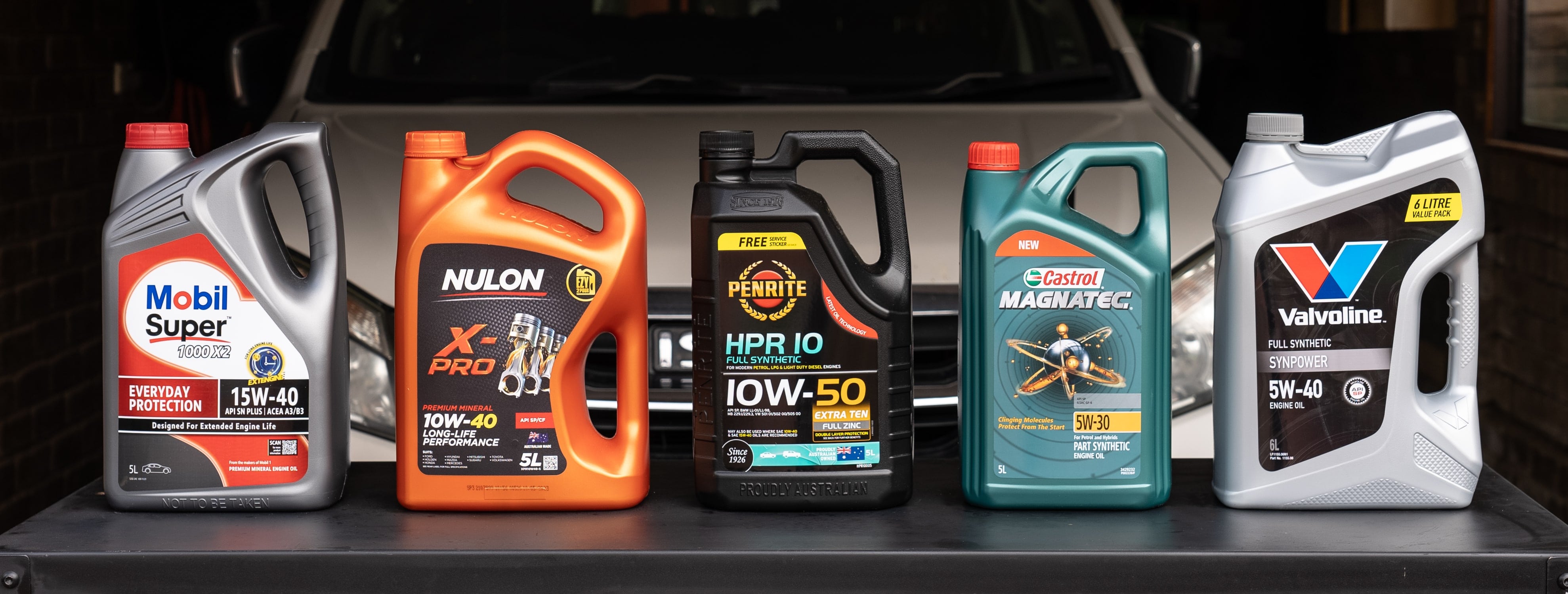
Not all oils are created equal; different brands add unique formulations and additives that can enhance specific oil properties, such as fuel efficiency or deposit prevention. Reputable brands are often associated with higher-quality products, as they invest in research and development to innovate and improve their oils. Checking reviews and choosing a trusted brand can ensure you are providing your vehicle with the best possible protection.
Choosing the optimal motor oil for your vehicle involves balancing these factors. Understanding the role of viscosity, adhering to appropriate change intervals, and selecting a reliable brand all contribute to maintaining a healthy and efficient engine. Armed with this knowledge, you’ll be well-equipped to navigate the diverse landscape of motor oils and ensure your vehicle performs at its best.
Q&A
-
What are the main differences between synthetic and conventional oils?
Synthetic oils are chemically engineered to provide superior performance and protection compared to conventional oils. They typically offer better viscosity stability, reduced engine wear, and improved fuel efficiency. Conventional oils, derived from natural crude oil, may not perform as well under extreme temperatures and can break down more quickly, requiring more frequent oil changes.
-
How does viscosity affect engine performance and oil choice?
Viscosity refers to the thickness of the oil and its ability to flow at various temperatures. Oils with proper viscosity ensure adequate lubrication, reducing friction and wear in engine components. Choosing the right viscosity is crucial for optimal engine performance and longevity. Synthetic oils often have a more stable viscosity across a wider temperature range than conventional oils, making them preferable in varying climates.
-
What factors determine the oil change interval for a vehicle?
The oil change interval can be influenced by the type of oil used (synthetic vs. conventional), driving habits, engine age, and manufacturer recommendations. Synthetic oils generally allow for longer intervals between changes due to their enhanced stability and resistance to breakdown. It is essential to consult the vehicle's manual and consider driving conditions to determine the most appropriate interval.
-
How should one choose the best oil brand for their vehicle?
Selecting the right oil brand involves considering factors such as the vehicle's requirements, personal driving conditions, and budget. While some brands may specialize in high-performance or synthetic oils, others may offer more cost-effective conventional options. It is advisable to look for oils that meet industry standards and have positive reviews from both experts and consumers.
-
In what ways can synthetic oils enhance vehicle performance?
Synthetic oils can enhance vehicle performance by providing better protection against engine wear, improving fuel efficiency, and maintaining optimal viscosity across a range of temperatures. This leads to smoother engine operation, longer intervals between oil changes, and potentially a longer engine lifespan. Additionally, synthetic oils are often formulated to handle extreme conditions, making them ideal for high-performance vehicles.