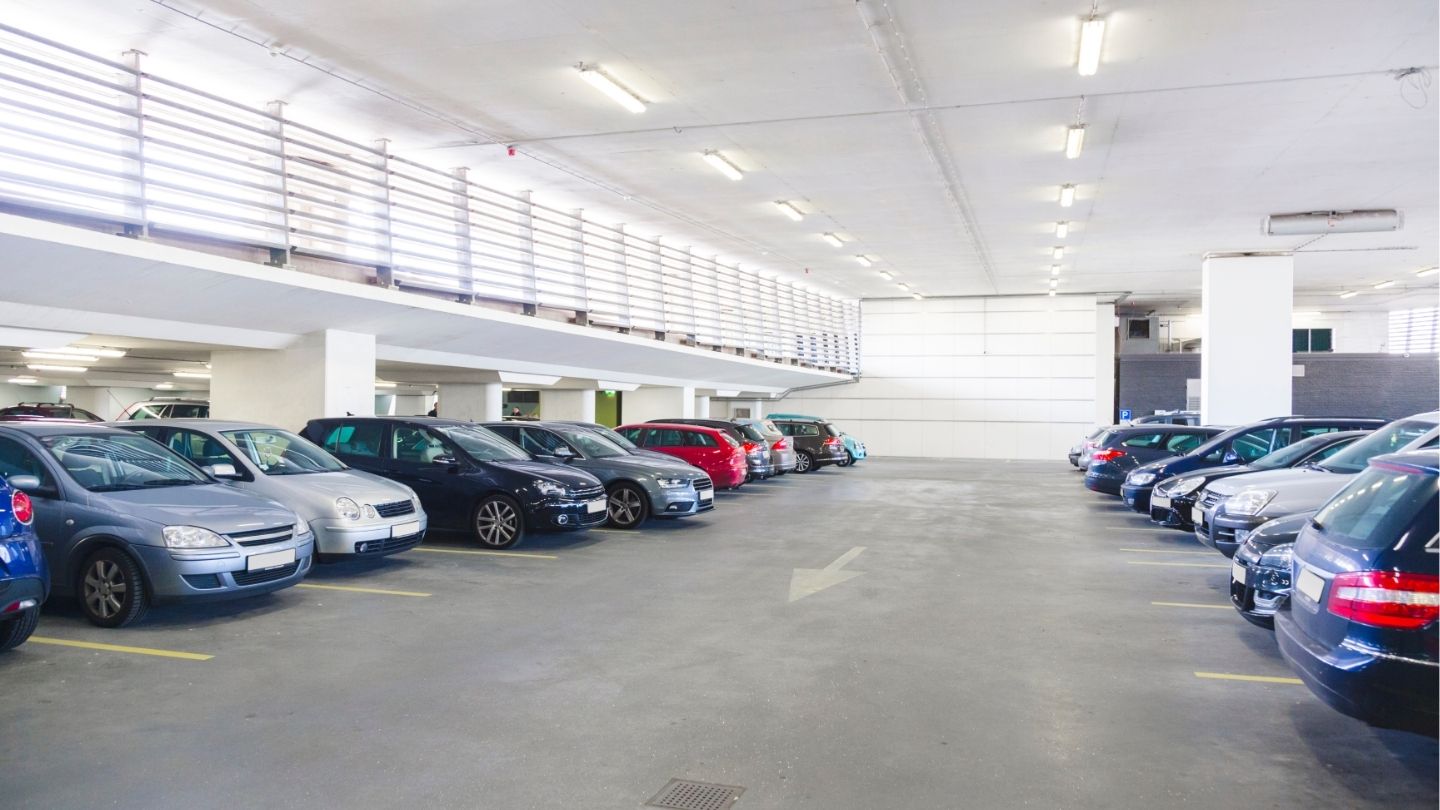
Why Safe Parking Habits Matter Every Day
Safe parking is part of driving, not something that happens after the journey is over. A practical Safe Parking Habit Guide treats every stop as a chance to protect people, vehicles, and property. Each time you choose a space, control your speed, and check your mirrors, you are practising everyday driving caution in a very real way. Many low speed bumps, scraped bumpers, and awkward disputes with other drivers happen in car parks, on residential streets, or in tight urban spaces. By paying a little more attention when pulling in or out of a bay, you cut these small but costly risks and make moving around parked vehicles safer for pedestrians and cyclists.
Consistent habits also make your urban parking routine less stressful. When you automatically scan for clear sight lines, leave enough room to open doors, and park so you can exit safely later, you avoid last minute manoeuvres and rushed decisions. Over time, these small routines save money on repairs, keep insurance claims and complaints down, and help other drivers understand what you are about to do. Treating parking as an essential driving skill, rather than an afterthought, builds confidence behind the wheel and supports smoother, safer journeys every day.
Parking Space Awareness Before You Stop
Good parking habits start before you touch the brake pedal. As you approach a potential spot, slow slightly and scan wider than the space itself. Look at how other vehicles are positioned, how close they are to lines, corners, driveways and entrances, and whether doors can open without clashing. Judge the size of the space against your vehicle, including mirrors, overhangs and room to manoeuvre. Everyday driving caution still applies: watch for pedestrians stepping from between parked cars, cyclists coming up alongside, and children or pets near the kerb who may be hard to see at first.
In busy town centres and other urban parking areas, take a moment to read the traffic flow before you turn into a space. Check whether vehicles behind you can pass safely if you pause, and whether choosing a different spot might reduce pressure. Think about how you will leave later and avoid spaces that force you to reverse into blind areas, cross busy footpaths or back into fast-moving traffic. Notice hazards such as sharp bends, narrow lanes, loading zones or poor lighting that could make returning to your car feel less secure. By building this simple awareness routine into every stop, you turn parking into a predictable, low-stress part of your daily driving.
| Parking situation | Key awareness checks | Main benefit | Risk level if ignored |
|---|---|---|---|
| Busy urban street bay | Scan traffic flow and cyclists | Smoother entry and exit | High |
| Tight space between vehicles | Judge space against vehicle size | Reduced scrapes and door contact | High |
| Near driveways or entrances | Check for turning vehicles | Fewer surprise conflicts | Medium |
| Alongside pedestrian areas | Watch for people and children | Improved pedestrian safety | High |
| Dimly lit corner space | Assess lighting and visibility | More secure returns to vehicle | Medium |
| End-of-row or wide bay | Plan exit route first | Lower stress when leaving | Low |
Reading the Surroundings and Traffic Flow
Before committing to a space as part of your urban parking routine, slow down early and scan the whole scene, not just the empty bay. Use a quick mirror check, then move your eyes to pedestrians on the kerb, people stepping between vehicles, cyclists filtering alongside you, and delivery vans that might pull out or open doors without warning. Look through and under parked cars for moving feet, pay attention to indicator signals and brake lights ahead, and watch for changing traffic flow that could leave you blocking a lane while you try to park. This kind of broad, deliberate observation turns simple parking space awareness into a calm habit that supports safer everyday driving.
Reverse Parking Basics for Safer Exits
Backing into a space is a simple habit that supports the wider safe parking practices you build every day. Instead of treating reverse parking as a test manoeuvre you once learned, see it as part of an everyday driving caution routine that helps you leave calmly with a clear view. Driving forward out of a space means you spend less time reversing into moving traffic or busy pedestrian areas, which can reduce confusion and low speed conflicts in crowded car parks, residential streets, and workplace lots.
To put the basics into practice, choose a space with enough room on both sides and a clear area behind it. Signal early, position your vehicle slightly ahead of the bay, and check mirrors, blind spots, and surroundings before selecting reverse. Move very slowly, steering smoothly while keeping the rear of the space in sight through mirrors and, if fitted, the rear window or camera. Frequent all round observation is essential: pause if you lose sight of a pedestrian, another vehicle, or a fixed object such as a pillar. This calm, deliberate approach fits well with a Safe Parking Habit Guide and helps you stay in control even in tight urban parking routines.
If you are building confidence, practise reverse parking in quiet conditions before relying on it at busy times. A nearly empty car park at off peak hours is a useful training ground where you can repeat the same movements without pressure from other drivers. Combine this with simple vehicle safety check habits, such as keeping mirrors and windows clean and correctly adjusted, so your visibility is as good as possible. Over time, reversing into spaces will feel natural, turning it into low stress driving preparation that makes every departure smoother and supports consistent, cautious parking behaviour.
Step‑by‑Step Reverse Parking Routine
A low stress driving preparation for reverse parking starts before you move the car. Choose a space with room on both sides, signal early, and stop parallel to the bay or driveway with a clear view around you. Check mirrors, windows, and blind spots for pedestrians, cyclists, and other vehicles. Keep your footwork calm, select reverse, and release the brake smoothly so the car rolls at walking pace rather than lurching backwards.
As you turn into the space, rely on simple reverse parking practice by using small steering inputs and pausing if you lose confidence. Keep checking both side mirrors to judge distance from the lines or kerb, and glance over your shoulder before each adjustment. Straighten the wheels once you are mostly inside the bay, then creep back until you can open doors safely and leave the space easily.
Vehicle Safety Checks Around Parking
Building simple vehicle safety check habits into every parking routine is a practical part of any Safe Parking Habit Guide. Before you walk away, take a brief look around the car to confirm it is straight within the lines, wheels are not turned into traffic, and nothing is blocking a driveway, cycle lane, or crossing point. A quick glance at the ground can reveal fresh fluid spots or a soft tyre that might cause trouble on your next trip. Check that windows are fully closed, doors are locked, and valuables are out of sight to protect your belongings and avoid damage from attempted break-ins. These small moments of everyday driving caution help you spot issues early and reduce breakdowns, fines, and avoidable incidents.
Before setting off, make another short walk-around part of your regular parking and departure routine. Confirm there are no obstacles, children, pets, or low objects hidden near the bumpers, then check that tyres look evenly inflated and free from obvious cuts or bulges. Switch on your lights and indicators briefly and use reflections to confirm they work, especially in low light or bad weather. Clear snow, mist, or dirt from mirrors, windows, and lights so you can see and be seen when pulling out. By combining these basic checks with calm, low stress driving preparation, you create a steady pattern of awareness that strengthens your overall vehicle safety check habits and makes each journey more controlled and safer for everyone nearby.
Q&A
-
Why do safe parking habits matter as much as driving skills?
Most low‑speed bumps, scrapes, and disputes happen while parking. Treat every stop as part of driving to protect people, vehicles, and property in busy car parks and residential streets. -
How can I quickly judge if a parking space is safe?
Slow early, scan beyond the bay, and see how cars sit near lines, corners, driveways, and entrances. Check door opening space and make sure pedestrians, cyclists, and children by the kerb are easy to see. -
What should I notice in traffic flow when parking in cities?
Watch for people on the kerb, anyone stepping between vehicles, cyclists filtering, and delivery vans that may move or open doors. Check that signalling and stopping to park will not block a lane or confuse drivers behind. -
Why is reverse parking useful for everyday driving?
Backing into a bay lets you drive out with a better view of traffic and pedestrians. It usually cuts the time spent reversing into moving traffic and lowers the chance of low‑speed collisions. -
What quick safety checks should I do before leaving the car?
Confirm the car is straight, not blocking driveways, cycle lanes, or crossings, and wheels are not aimed into traffic. Glance at tyres and the ground, then close windows, lock doors, and remove visible valuables.