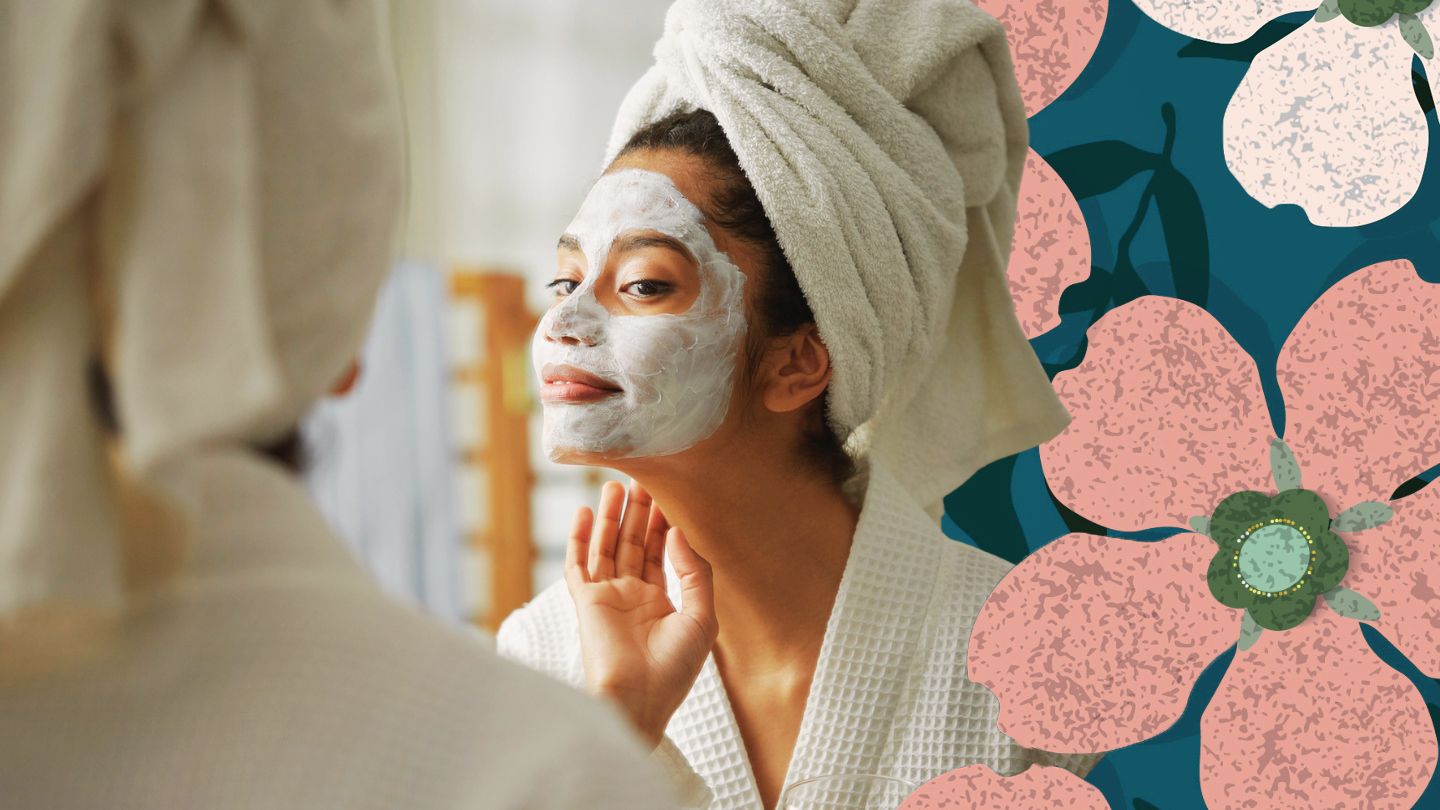
The Science Behind Youthful Skin: Nature's Remedies Meet Innovation
Understanding the complexity behind maintaining a youthful complexion reveals the blend of biological processes and innovative treatments that continually evolve. From enhancing natural support structures to improving moisture content, these elements work collectively to revive and sustain skin's health.
Collagen: The Foundation of Firmness
The structural integrity of skin largely depends on collagen, a protein that serves as the primary building block. Collagen provides the firmness and elasticity that define youthful skin, and its natural production tends to decline with age. This decrease leads to common signs of aging, such as wrinkles, sagging, and loss of firmness.
Collagen production is influenced by numerous internal and external factors. For instance, lifestyle choices, diet, and environmental exposure significantly impact collagen synthesis and degradation. To counteract age-related decline, focusing on collagen-boosting strategies has become a central aspect of skincare.
Natural and supplemental means can enhance collagen levels. Nutritional supplements containing collagen peptides and hydroxyproline have shown promising effects in amplifying the skin's structural support. Additionally, certain topical treatments enriched with vitamin C and retinoids are known to stimulate collagen production effectively.
Hydration: The Key to Supple Skin
Hydration is crucial for maintaining skin's smoothness and vitality. Dehydration disrupts the skin's natural barrier, causing dryness and accentuating fine lines. Ensuring adequate hydration both internally, through consuming sufficient water, and externally, via appropriate skincare products, can greatly enhance the skin's appearance.
Moisturizers play a vital role in boosting hydration levels, with formulations designed to lock in moisture. Ingredients such as hyaluronic acid are particularly effective due to their ability to retain water molecules, providing skin with needed plumpness and flexibility.
The Science-Backed Benefits of Hydration
Various studies confirm the pivotal role hydration plays in skin health. Proper moisture levels not only contribute to immediate cosmetic benefits but also support longer-term skin health by maintaining the physiological balance and function of epidermal layers.
To optimize hydration, integrating serums, toners, and creams tailored to one's specific skin needs can yield impressive results. Each of these products contributes a unique benefit, working either to attract moisture, seal it in, or restore natural hydration balance.
From UV Shields to Acne Busters: Revolutionizing Skin Care
The dual needs of protecting skin from environmental aggressors and addressing diverse concerns such as acne have driven innovative solutions in skincare. The integration of protection and treatment within modern regimens reflects an evolution toward more comprehensive care.
Sunscreen: Your Daily Defense
A fundamental yet sometimes overlooked element of skincare, sunscreen serves as the primary defense against harmful ultraviolet (UV) rays. Whether sunny or overcast, UV exposure persists and can lead to premature aging and potential skin health issues.
The advancements in sunscreen formulations have led to products that not only block harmful rays but also incorporate additional skin-enhancing benefits such as moisturizing effects and antioxidant properties. Daily sunscreen application is essential for maintaining the skin's barrier function and health.
Taming Acne with Nature's Power
Acne continues to be a prevalent skin condition, driven by multiple factors ranging from hormonal fluctuations to environmental impacts. Among natural remedies, tea tree oil stands out for its anti-inflammatory and antimicrobial properties, providing relief from acne's inflammatory effects.
Furthermore, consumers' growing awareness of skin sensitivities and environmental footprints has amplified the demand for sustainable and gentle acne treatments, prompting brands to innovate within these parameters.
Renewing Radiance: The Anti-Aging Revolution in Skin Health
Achieving and maintaining radiant skin involve a focus on skin renewal strategies that foster cell turnover and repair. Recent advancements emphasize holistic solutions that combine technological innovations with time-honored natural remedies.
Innovative Solutions: PDRN and Red Light Therapy
Polydioxynucleotide (PDRN) has emerged as a promising agent in skincare for its ability to stimulate skin repair and regeneration at a cellular level. Alongside red light therapy, which uses specific wavelengths to enhance skin's natural regeneration processes, these approaches exemplify modern anti-aging strategies.
Red light therapy, in particular, has gained attention for its potential to enhance collagen production and skin clarity, making it a popular choice for those seeking non-invasive, integrative treatments.
This synergy of science and nature heralds a new era in skincare, where the focus is as much on prevention and repair as it is on immediate aesthetic improvements. By understanding and leveraging these comprehensive methodologies, achieving enduring radiance and health is more accessible than ever before.
Embracing Skin Health with Conscious Choices
The trajectory of skincare has broadened to encompass more than just immediate cosmetic goals—it advocates for smart, sustainable, and responsible choices that benefit both individuals and the environment. Embracing these principles ensures skin health remains a priority aligned with overall wellness.
By combining the advantages of modern treatments, understanding individual skincare needs, and committing to healthy lifestyle choices, achieving beautiful skin is not only possible but sustainable, reflecting the deep interconnection between our daily choices and the health of the skin we cherish.
Question and Answer
-
How does collagen production impact skin aging, and what can be done to support it?
Collagen is a crucial protein that maintains skin structure, elasticity, and firmness. As we age, collagen production decreases, leading to wrinkles and sagging. To support collagen production, incorporate a diet rich in vitamin C and amino acids, which are essential for collagen synthesis. Topical treatments containing retinoids and peptides can also stimulate collagen production. Additionally, treatments like microneedling and laser therapy have been shown to boost collagen production by creating micro-injuries that trigger the skin’s healing response.
-
Why is maintaining proper hydration levels important for skin health, and how can it be achieved?
Proper hydration is essential for maintaining skin suppleness and preventing dryness and flakiness. Hydrated skin appears more plump and youthful, while dehydration can accentuate fine lines and lead to a dull complexion. Achieve optimal hydration by drinking plenty of water and using moisturizers containing hyaluronic acid, which attracts moisture to the skin. Incorporating a humidifier in dry environments and using gentle, hydrating cleansers can also help maintain hydration levels.
-
What role does UV protection play in preventing skin damage and aging?
UV protection is critical for preventing premature aging and skin damage caused by sun exposure. UV rays can break down collagen and elastin fibers, leading to wrinkles and loss of skin elasticity. To protect your skin, apply a broad-spectrum sunscreen with at least SPF 30 daily, even on cloudy days. Wear protective clothing and hats when outdoors, and seek shade during peak sun hours. Consistent use of sunscreen can significantly reduce the risk of skin cancer and delay signs of aging.
-
How can acne prevention and treatment be effectively managed?
Acne prevention and treatment can be managed through a combination of lifestyle changes and targeted skincare. Maintain a regular cleansing routine with gentle, non-comedogenic products to remove excess oil and dirt. Use topical treatments with ingredients like benzoyl peroxide or salicylic acid to reduce inflammation and bacteria. Diet can also play a role; consuming a balanced diet with low-glycemic foods may help reduce breakouts. For persistent acne, consult a dermatologist for potential prescription treatments.
-
What innovative treatments are available for skin renewal and anti-aging?
Innovative treatments for skin renewal and anti-aging include red light therapy and polydioxynucleotide (PDRN) treatments. Red light therapy uses low-wavelength light to penetrate the skin, promoting collagen production and reducing inflammation. PDRN, derived from salmon DNA, has shown promise in improving skin elasticity and reducing wrinkle depth with minimal irritation compared to traditional retinol. Additionally, personalized skincare regimens powered by AI diagnostics are emerging, offering tailored solutions for individual skin concerns.