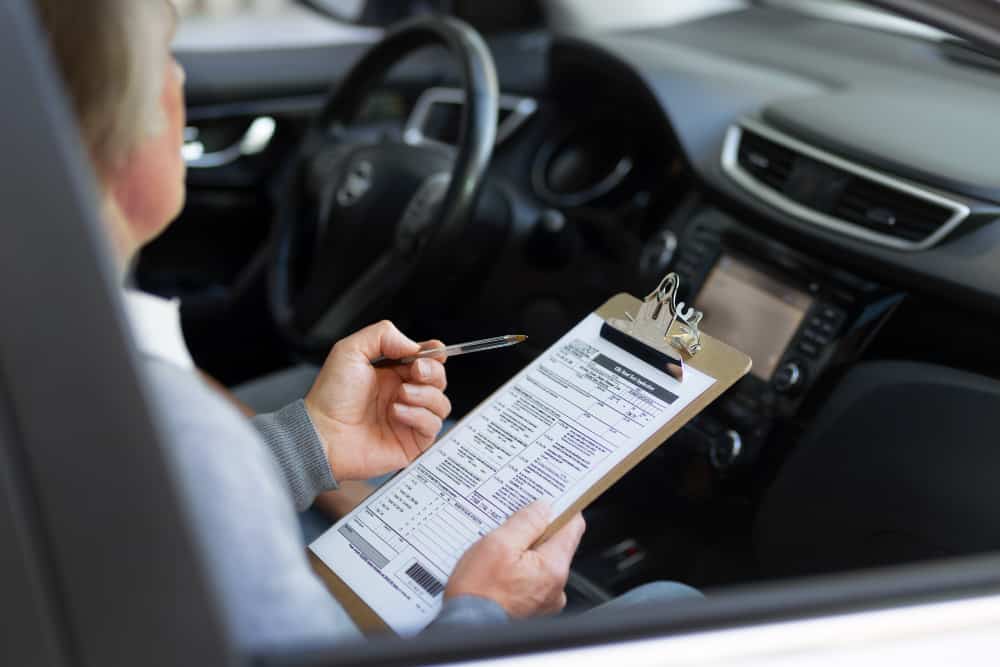
Deciphering the Digital Transition in Car Registration
Understanding the shift from traditional registration methods to digital solutions is crucial for adapting to modern expectations. This change affects everything from license renewal to understanding emission requirements.
1. Engaging with Official Platforms for Registration
The best sources of information for automobile registration in both the United States and the United Kingdom are their respective government websites, such as the DMV in the US and the DVLA in the UK. These platforms provide extensive guidelines, frequently asked questions, and most importantly, online services for vehicle registration tasks. Diving into these resources offers an accurate grasp of the registration process, covering everything from first-time registration to transitions from other areas. Key preparation includes checking eligibility criteria and necessary paperwork to streamline your registration journey.
2. Mastering Document Preparation for Seamless Online Registration
Being proactive about gathering necessary documents simplifies the online registration experience. Typically, you'll need proof of ownership like a car title or manufacturer's certificate, evidence of insurance, and a valid driver's license. In some regions, documents proving adherence to emission standards are also necessary. Knowing your area's specific requirements is beneficial, as they can differ. Having digital versions of these documents, created with a scanner or smartphone app, at hand can significantly expedite the online process.
3. Navigating Online Portals Efficiently
Online vehicle registration portals are crafted to be user-friendly, yet a pre-emptive familiarity with their navigation can be advantageous. It's crucial to follow provided instructions, check help sections, and note support contact details for troubleshooting. Attention should be paid to specific browser rules or security protocols that might apply. Carefully filling forms and reviewing entries before submission is vital. Many portals permit saving your application progress, allowing you to return if necessary.
4. Challenges and Solutions in Digital Registration
While moving registration tasks online considerably eases the burden, challenges like technical issues or document upload hurdles may arise. Resolving such obstacles might involve clearing browser caches, trying alternative browsers, or waiting before reattempting. Persistent issues should be directed towards the portal's support team. Keeping record of any error messages or reference codes can facilitate more effective troubleshooting should the need arise.
5. Understanding Fees and Payments Processes
Registration fees fluctuate depending on location, vehicle type, and other elements. Most online portals provide secure options to handle these payments, such as via credit cards or electronic checks. Understanding these fees and potential penalties before proceeding is crucial. In some regions, online registration can offer cost reductions or skip paper billing, adding financial incentive. Always retain a copy of the payment confirmation for your records.
The Green Evolution: Impact of Emission Standards on Registration
Modernizing car registration isn't solely about going digital—it's also crucially shaped by environmental policies aiming to reduce emissions across the globe. Knowing how these regulations influence registration can guide smarter vehicle choices.
1. Impact of Toughening Regulations
Governments are enacting stricter emissions regulations aimed at combating air pollution and climate issues. These often dictate limits for pollutants like nitrogen oxides and particulate matters. Consequently, car manufacturers are advancing in eco-friendly technologies like EVs and hybrids. Vehicles not meeting set standards may not be eligible for registration in certain locales, driving consumers to opt for greener options and encouraging manufacturers toward more sustainable designs.
2. Incentive Structures for Eco-Friendly Vehicles
To push the adoption of environmentally friendly vehicles, many areas provide incentives like tax credits, rebates, or fee exemptions for the purchase and registration of electric and hybrid cars. These incentives mitigate the typically higher costs of such vehicles, making them a more attractive option, boosting their registration rate, and supporting environmentally sustainable transport systems.
3. Testing and Certification Processes
Compliance with emissions regulations involves thorough testing and certification processes to evaluate how much pollution a vehicle emits under different conditions. Outcomes ensure vehicles adhere to necessary emission standards, sometimes requiring updates like emission control devices. This rigorous certification helps maintain vehicle environmental safety on the roads.
4. Real Driving Emissions (RDE) Tests
Shifting toward real driving emissions testing helps obtain accurate pollution data from vehicles under real conditions, enhancing the regulatory framework. This evolution addresses limitations of previous lab-only tests, incorporating on-road behavior to ensure comprehensive compliance. Better assessment through RDE results in effective emissions management, leading to cleaner transit alternatives.
5. Advancing Towards a Digitally Green Registration Future
The foreseeable landscape for vehicle registration is increasingly digital and environmentally focused, with advanced online portals simplifying the process. Expect an integral focus on emission standards and innovations in testing and regulation. These changes will bolster the global shift to greener, sustainable, and digitally accessible car registration models.
Embracing Digital Simplicity: Transitioning Paperwork Online
Shifting from paper-heavy procedures to digital registration systems is reshaping interaction dynamics between motorists and regulatory agencies, offering numerous benefits while reducing logistical burdens on both sides.
1. Streamlining Processes and Minimizing Delays
Online registration capabilities liberate vehicle owners from physically visiting offices, tangibly reducing wait times and improving administrative efficacy. User-friendly interfaces and guided steps within online portals significantly minimize errors, enhancing processing speed. This digital transition directs public agency resources toward more essential tasks, optimizing operational efficiency.
2. Accessibility and Convenience On Demand
Portals operating around the clock greatly improve user convenience, allowing individuals to undertake registration at any preferred time. This is especially advantageous for those with packed schedules or living remotely. Moreover, multilingual support in these portals broadens accessibility, catering to the diverse demographic fabric of vehicle owners.
3. Ensuring Precision and Security in Data Handling
Digital systems inherently minimize entry mistakes and bolster data protection, storing validated information securely. Encrypted communication and multifactor authentication frameworks protect sensitive data from unauthorized access, reassuring vehicle owners regarding the integrity of their information.
4. Fiscal Advantages of Digital Transition
The transition entails initial investments in developing requisite technology, but both public bodies and private citizens see considerable savings over time. Reduced dependency on physical resources and time saved in administrative processes free public finances for impactful community-focused initiatives while saving individuals both time and money.
5. A Sustainable Shift Toward Eco-Friendly Registration
Less paper use through digital processes contributes to environmental sustainability by decreasing paper production, reducing deforestation, and lowering emissions tied to transportation and manufacturing. This aligns neatly with global sustainability drives, endorsing resource-conscious policies widely supported across sectors.
Avoiding Mistakes: Maximizing Success in Online Registration
Despite many advantages, digital car registration requires careful navigation to prevent common missteps, which can disrupt or delay the process.
1. Preventing Errors in Information Input
A frequent pitfall is entering incorrect data during registration, which can result in application delays or rejection.
- VIN Accuracy: Double-check the Vehicle Identification Number, a critical identifier located on the dashboard or inside the driver's door.
- Exact Personal Details: Ensure personal information matches the driver's license.
- Precise Vehicle Information: Use authoritative records when specifying vehicle details.
2. Meeting Documentation Needs
Ignoring document requirements can obstruct registration. Different jurisdictions demand varied documents for registration processes.
- Proof of Ownership: Clear and signed vehicle documentation is necessary.
- Insurance Proof: Ensure insurance validity and that it covers the respective vehicle.
- Emissions/Safety Certificates: Know your local demands for these documents to avoid setbacks.
3. Dealing with Payment-Related Challenges
Payment missteps can bring proceedings to a standstill, emphasizing the importance of understanding payment requirements and staying prepared.
- Adequate Funds: Confirm account balances pre-payment to avoid overdraft issues.
- Correct Payment Information: Accurate entry of payment details is vital to avoid errors.
- Clear Fee Structure Understanding: Different factors define fees; being aware pre-transaction aids in avoiding surprises.
4. Monitoring Deadlines and Alerts
Neglecting important dates or messages is a frequent snag that can lead to fines or registration suspension.
- Renewal Awareness: Use reminders for registration timelines.
- Notification Vigilance: Review emails or mail from the DMV promptly to catch critical updates.
- Immediate Issue Addressing: Addressing flagged issues promptly helps prevent further complications.
5. Studying Locale-Specific Regulations
Registration regulations differ widely, demanding regional awareness to prevent compliance issues.
- State/Local Guidelines: Understand area-specific requirements that might include unique stipulations or charges.
- Residency Proof: Post-move registration might necessitate additional residential validation.
- Diverse Vehicle Type Understanding: Ensure you identify any specific criteria relative to your vehicle.
Awareness of these pitfalls can enhance your experience with online car registration, averting obstacles that might otherwise demand significant time and effort.
Understanding Emission Compliance: Simplifying New Standards
Comprehending emission compliance is integral to responsible car ownership, aiding in reducing environmental impact and aligning with regulatory expectations.
1. Emphasis on Emission Testing
Testing vehicles ensure they meet permissible emission limits, safeguarding both environmental and public health standards. Failing allotted tests necessitates corrective measures to meet acceptable norms, supporting cleaner air.
2. Grasping Emission Norms
Agencies define emission thresholds which adjust over time, urging technological and regulatory improvements. Familiarity with applicable benchmarks based on vehicle type and age aids in compliance.
3. Optimal Test Preparation
Basic maintenance such as tuning engines and verifying exhaust systems enhances pass likelihood in emission testing. Forethought regarding mechanical readiness eliminates preventable faults.
4. Locating Certified Testing Centers
Check local DMV or environmental bodies for authorized testing agency lists. Pre-scheduling appointments optimizes visit efficiency and reduces possible delays.
5. Post-Test Procedures
Test clearance grants compliance documentation critical for registration continuity. Failed outcomes necessitate remediation and reinspection, often detailed through provided reports for clarity and direction.
Q&A
-
What is the process for renewing a vehicle registration through the DMV?
Renewing a vehicle registration through the DMV typically involves ensuring all necessary documents are up-to-date, such as proof of insurance and an emission test certificate if required. You can usually renew online, by mail, or in person at a DMV office. It's essential to check your state's DMV website for specific requirements and any associated renewal fees.
-
How are license plate fees determined in the United States and Britain?
In the United States, license plate fees can vary widely depending on the state and can be influenced by factors like vehicle type, weight, and age. In Britain, fees are generally standardized but can differ based on the type of vehicle and its emissions. Always check with the local DMV or the DVLA in Britain for precise fee structures.
-
When is an emission test required for vehicle renewal, and how can it be completed?
Emission tests are typically required during the vehicle renewal process to ensure that vehicles meet environmental standards. The frequency and necessity of these tests can vary by state in the U.S. and by the vehicle's age and type in Britain. Tests can be completed at authorized testing centers, and the results must be submitted to the DMV or relevant authority.