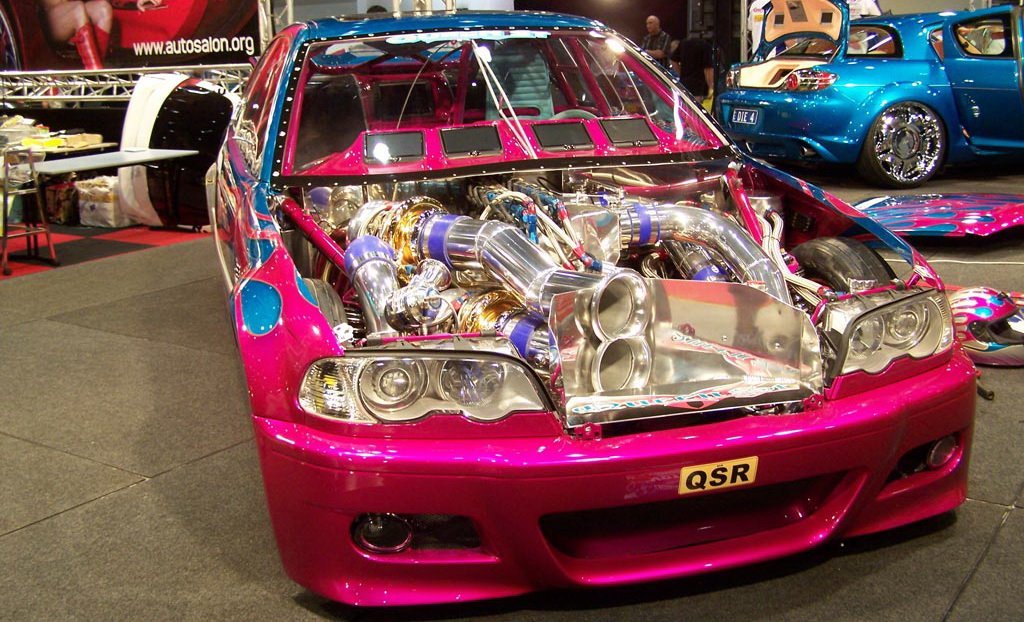
Crafting Performance Within Legalities
Car enthusiasts often find themselves on a journey to enhance their vehicle's performance, always prioritizing the harmony between improvements and compliance. From subtle tweaks to major upgrades, each change comes with its unique set of legal considerations to keep the thrill of customization both exciting and within the bounds of the law.
Performance and Handling Upgrades
Suspension Tweaks
One of the most popular modifications involves altering a car’s suspension. This can enhance handling and road responsiveness. In regions like the UK and Australia, the legal limit is a maximum drop of 100mm from the stock height, while in the USA, it is more restrictive at 25% below stock height. Exceeding these limits can impact safety and handling, drawing attention to the need for stricter enforcement on lowered vehicles to prevent hazards on the road.
Brake and Tire Innovations
Improving stopping power is another common pursuit. Enhanced brake pads and tires improve grip and safety, often considered reversible changes. Legal regulations do not typically limit such modifications unless they impact overall vehicle safety, aligning improvements with performance without drawing unnecessary legal scrutiny.
ECU Modifications
Many car owners turn to ECU remapping to optimize fuel efficiency and throttle response. However, such modifications must comply with emissions standards across different territories. Illegal remaps or tampering with emission controls can result in significant legal repercussions, pushing the trend towards tighter emissions compliance.
Aerodynamics and Design Adjustments
Subtle Aerodynamic Changes
Opting for subtle aerodynamic parts like front lips or diffusers can enhance stability at high speeds without radically changing the vehicle's look. These changes must respect safety and functional design originally intended for the vehicle, aligning with regulations that push for aerodynamic efficiency without sacrificing compliance.
Bodywork and Visual Customization
Adjustments to body kits and wheels bring aesthetic appeal. Wheels, in particular, face a unified limitation across several regions, restricted to a maximum of 2 inches wider than the stock. Incorrect sizing can lead to unsafe fitment and clearance issues, thus emphasizing the regulatory focus on wheel safety and proper fitment.
Exhaust Enhancements
Exhaust system modifications often capture the attention of enthusiasts seeking a distinctive sound and increased power. Legal limits on noise, such as a maximum of 95 dB at specified distances, are common in the UK, USA, and Australia, with regulatory agencies paying close attention to excessive noise and emissions. This focus highlights the need for balance between performance and regulatory limits.
Key Considerations for Safety Compliance
Addressing common pitfalls helps avoid costly legal issues. It's essential to remember that while customization can be thrilling, it's equally crucial to respect the laws designed to keep everyone safe on the road.
Lighting Regulations
Enhancements in lighting, whether for aesthetics or functionality, must comply with strict standards. Any alterations to headlight or taillight configurations can affect visibility and legality. Under glow lighting, while visually impressive, often falls foul of regulations due to potential confusion with emergency vehicles.
Interior Customization Compliance
Even interior changes require attention to safety standards. Additions such as custom seats or steering wheel wraps must retain regulatory compliance to ensure that they do not interfere with vehicular control or passenger safety.
By understanding these aspects of vehicle modification and sticking to legal parameters, enthusiasts can enjoy their customized rides with peace of mind. Being informed can help maintain the delicate balance between personalization and safety, ensuring a rewarding and lawful customization journey.
Navigating Regulatory Trends in Car Customization
As environmental and safety considerations grow more prominent, legal trends in car customization evolve, shaping the way enthusiasts approach modifications. Understanding these trends is vital to navigate the complex matrix of laws that govern vehicle personalization, offering a roadmap for future innovations in the field.
Environmental Impacts and Electric Shift
The global shift towards electric vehicles (EVs) sets a new frontier for car modification. With an emphasis on reducing carbon footprints, legislation is increasingly aimed at promoting electric machinery over traditional combustion engines. Tax incentives and stricter controls challenge traditional modification practices, pushing enthusiasts to embrace sustainable and eco-friendly customization options.
Safety Standards Revisions
Safety remains paramount, with new protocols ensuring that modern vehicles meet elevated standards. Modifications that infringe upon these enhanced tests, such as those affecting braking systems or child safety mechanisms, face regulatory restrictions to uphold road safety. Enthusiasts must therefore prioritize modifications that do not impede these mandatory safety functions.
Global Emissions and Carbon Economic Policies
The advent of mechanisms like carbon pricing impacts car customization by imposing financial penalties on products contributing to carbon dioxide emissions. This global push towards environmentally conscious manufacturing processes requires that modifications align with emissions compliance, emphasizing a commitment to lowering the environmental impact across the automotive industry.
Emphasizing Compliance in Customization
The balance between enhancing car performance and adhering to regulations continues to tighten. With legal benchmarks moving towards stricter emissions and safety compliance, the need for innovative yet compliant customization is key. Enthusiasts should strive for responsible modifications that boost performance while ensuring adherence to all safety and environmental guidelines.
In conclusion, the landscape of car modification is one of creativity tempered by compliance. Enthusiasts must navigate an evolving set of legal expectations that govern every aspect of customization, from structural changes to performance upgrades. With informed decision-making and a commitment to safety and sustainability, it is possible to enjoy a personalized ride that reflects your individuality without crossing regulatory boundaries.
Q&A
-
What are the key considerations when upgrading a vehicle's suspension system?
When upgrading a vehicle's suspension system, it is important to consider the type of driving you will be doing, such as off-road or performance driving, as this will dictate the type of suspension needed. Additionally, compatibility with your vehicle model, quality of components, and how the suspension will affect ride comfort and handling are crucial. Ensuring that the modifications remain within legal limits is also essential to avoid potential legal issues.
-
How does an exhaust system modification impact vehicle performance and legality?
Modifying an exhaust system can improve a vehicle's performance by enhancing airflow and increasing horsepower. However, it's important to ensure that the modifications comply with local noise regulations and emissions standards to avoid fines or penalties. It's advisable to consult with a professional to make sure that the modifications are both effective and legal.
-
What factors should be considered when choosing new wheels for a vehicle?
When selecting new wheels, consider the size and fitment to ensure they are compatible with your vehicle's specifications. The material and design can impact the vehicle's weight and performance, with lighter materials often improving handling. Additionally, the aesthetic appeal and how it complements the vehicle's overall look should be taken into account. Always check that the new wheels meet safety standards and legal requirements.
-
What are the benefits and potential drawbacks of a custom paint job on a vehicle?
A custom paint job can enhance the aesthetic appeal and personalize a vehicle, potentially increasing its value. However, it can be costly and may require significant maintenance to keep the finish looking pristine. It's important to choose high-quality paint and a reputable service provider to ensure durability and a professional finish.
-
How does vehicle tuning affect performance and what legal considerations should be kept in mind?
Tuning a vehicle can optimize engine performance, improve fuel efficiency, and increase horsepower. However, it's crucial to ensure that tuning modifications do not violate local emissions standards or void the vehicle's warranty. It's recommended to use a professional tuning service to balance performance improvements with legal and safety requirements.