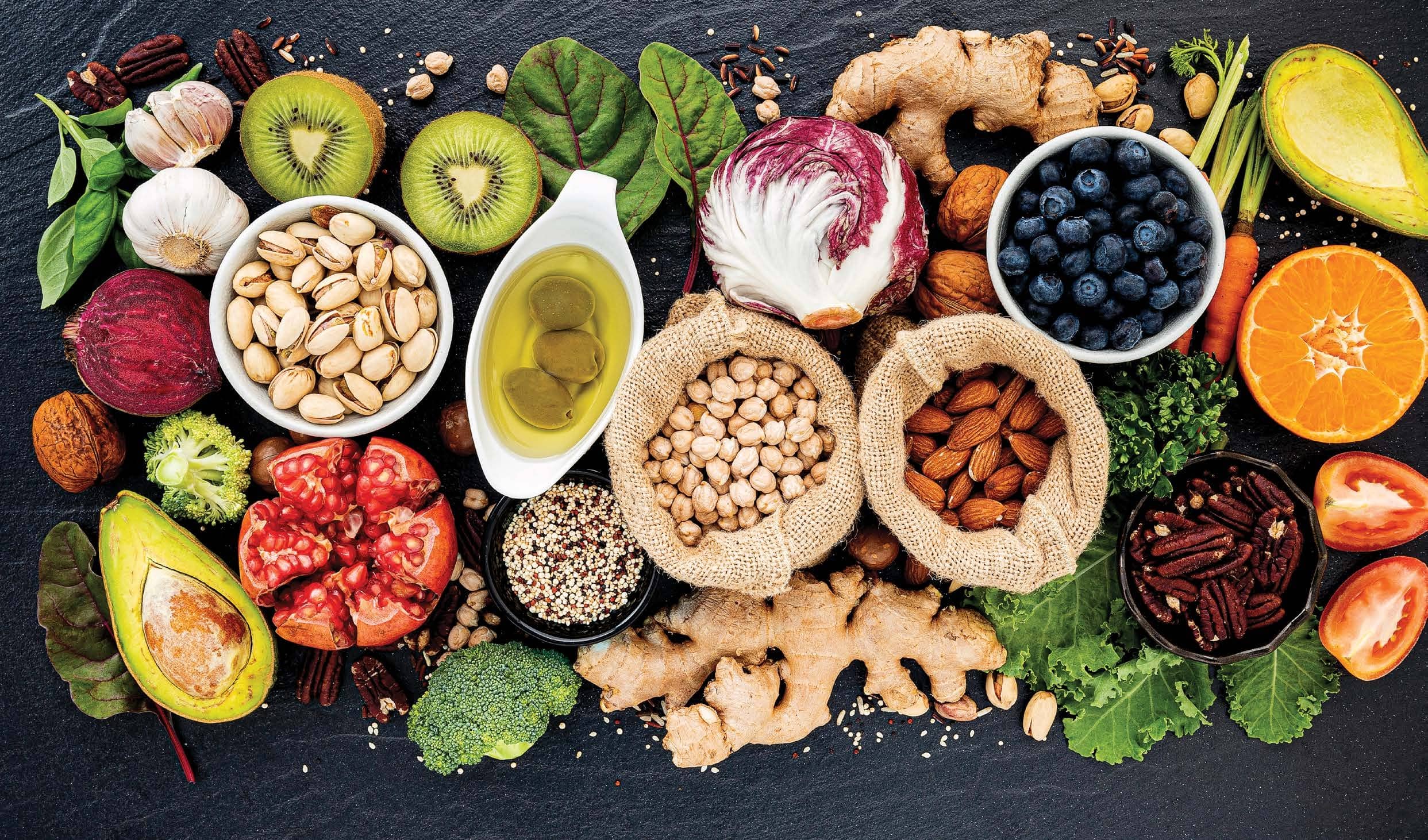
Unlocking Nature's Pantry for Immune Health
Our bodies constantly defend against various threats, necessitating a strong immune system. Fortunately, our diet plays a crucial role in supporting this system. Nature offers a diverse pantry of foods packed with nutrients that can significantly enhance immunity. Let's explore how these foods can be powerful allies.
The Power of Food Pairings
The way we combine foods profoundly affects nutrient absorption and overall health benefits. Certain pairings can dramatically enhance the effectiveness of nutrients that support the immune system.
Spinach and Lemon: Iron in spinach needs a little help for effective absorption. Vitamin C from lemon acts as an enhancer, unlocking these benefits for your body. Sprinkling lemon juice over spinach salad is an easy step toward better iron absorption.
Tomatoes and Healthy Fats: Lycopene in tomatoes, a potent antioxidant, needs fats to be absorbed efficiently. Using olive oil or avocado in your salad aids this process, ensuring that your body gets protective benefits.
Turmeric and Black Pepper: Curcumin in turmeric is a strong anti-inflammatory agent but is poorly absorbed alone. Introducing black pepper's piperine multiplies curcumin's bioavailability, maximizing its health benefits.
Fermented Foods and Fiber: Foods like yogurt and kimchi provide probiotics vital for gut health. Consuming them alongside fiber-rich foods further supports these beneficial bacteria, enhancing immune defenses via gut health improvement.
Nuts/Seeds and Citrus: Nuts and seeds, full of zinc, have amplified benefits when matched with vitamin C-rich citrus fruits. This pairing enhances zinc absorption, contributing further to strong immune functionality.
Phytochemicals: Nature's Tiny Warriors
Fruits and vegetables are abundant in phytochemicals, which are compounds that offer immense health benefits, including immune support.
Polyphenols and Anthocyanins: Found in berries and green tea, these compounds exhibit antioxidant and anti-inflammatory properties, influencing immune signaling pathways to enhance defense mechanisms.
Gut Microbiota Modulation: Acting as prebiotics, many phytochemicals support beneficial gut bacteria, ensuring a healthier gut microbiome, crucial for strong immunity.
Zinc: The Antiviral Ally
Zinc is indispensable for immune cell function and plays a pivotal role in combating viral infections.
Understanding Zinc's Importance
Zinc supports various immune cells, including T cells and natural killer cells, essential for fighting infections. Moreover, its role in inflammation regulation prevents damage to tissues and ensures a balanced immune response. By inhibiting viral replication, zinc offers protective power against certain viruses.
Enhancing Zinc Intake
Regular consumption of nuts and seeds boosts zinc levels in the diet. When combined with fruits rich in vitamin C, the absorption and utilization of zinc are further optimized. It's about making conscious choices, like pairing almonds with an orange, to enhance immune resistance.
Embracing Plant-Rich Diets
Adopting a plant-rich diet not only supports immune function but promotes a sustainable lifestyle.
The Role of Plant-Based Foods
Such diets are rich in vitamins, minerals, and phytochemicals that support health and immune functionality. Incorporating a variety of plants ensures nutrient diversity, contributing synergistically to bodily defenses.
Benefits Beyond Immunity
Besides personal health, plant-rich diets benefit environmental sustainability, highlighting the interconnectedness of personal and planetary health.
Question and Answer
-
What are the immune-boosting benefits of citrus fruits?
Citrus fruits, such as oranges, lemons, and grapefruits, are rich in vitamin C, a potent antioxidant that plays a crucial role in immune defense. Vitamin C helps stimulate the production of white blood cells, which are essential for fighting infections. Additionally, it enhances the absorption of iron from plant-based foods, which is vital for maintaining healthy immune function. Including citrus fruits in your diet can help reduce the duration and severity of colds and other common infections.
-
How do green vegetables support the immune system?
Green vegetables like spinach, kale, and broccoli are packed with vitamins, minerals, and antioxidants that are essential for a strong immune system. They are excellent sources of vitamins A, C, and E, which help protect cells from damage and support the body's natural defense mechanisms. The fiber content in green vegetables also promotes a healthy gut microbiome, which is closely linked to immune health. Incorporating a variety of green vegetables into your meals can enhance your body's ability to ward off illnesses.
-
What are the health benefits of garlic for immunity?
Garlic is renowned for its immune-boosting properties, primarily due to its high concentration of sulfur-containing compounds like allicin. These compounds have been shown to enhance the response of white blood cells to viruses, making garlic a powerful ally in preventing and reducing the severity of infections. Regular consumption of garlic can also help lower the risk of heart disease by reducing blood pressure and cholesterol levels, further supporting overall health.
-
How do herbal teas contribute to immune health?
Herbal teas, such as green tea, chamomile, and echinacea, offer a range of immune-supporting benefits. Green tea contains catechins, which are antioxidants that have been shown to enhance immune function and protect against oxidative stress. Chamomile tea has anti-inflammatory and calming properties that can help reduce stress, a known factor in immune suppression. Echinacea is often used to prevent and treat colds due to its potential to stimulate the immune system. Regularly consuming these herbal teas can be a soothing way to support your immune defenses.
-
Why is zinc important for immune function, and what are some good dietary sources?
Zinc is a crucial mineral for maintaining a healthy immune system, as it plays a vital role in the development and function of immune cells. It helps the body fight off invading bacteria and viruses by supporting the production of antibodies and reducing inflammation. Good dietary sources of zinc include nuts, seeds, whole grains, and legumes. Ensuring adequate zinc intake through a balanced diet can help bolster your immune response and protect against infections.