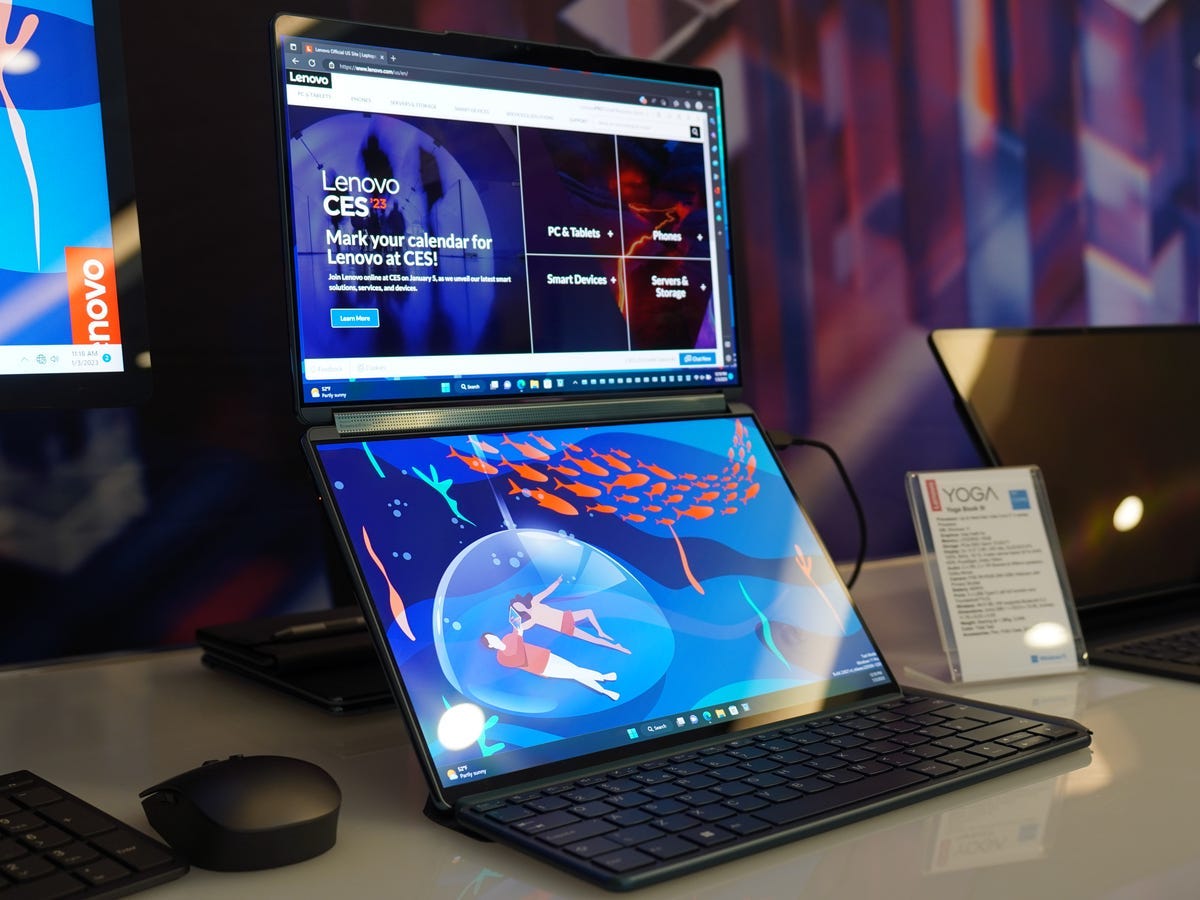
The Aesthetic Leap: From Bulky Machines to Sleek Companions
Laptops have transformed from unwieldy boxes to stylish marvels of engineering. This transition reflects the growing demand for devices that offer powerful performance combined with aesthetic charm and portability.
The Slimming Effect: Thin is In
Modern engineering has enabled laptops to shed weight and thickness, creating an era of ultrathin devices. Lightweight metals and advanced alloys contribute significantly to this reduction, allowing users the convenience of carrying a device akin to a notebook. This trend highlights the importance of portability in today's fast-paced world, where the need for mobile computing is paramount.
Material Matters: Premium Finishes and Build Quality
The craftsmanship and materials utilized in laptops define not only their look and feel but also their durability. Aluminum alloys and other high-end materials now dominate laptop construction, offering both resilience and a premium aesthetic. Sustainable design choices, such as the inclusion of recycled materials, also underscore a commitment to environmental responsibility.
The Beauty of Less: Minimalist Design
Minimalism continues to redefine how laptops appear and perform. The focus on clean lines and reduced clutter enhances not just the visual appeal but also the functionality, with innovations such as edge-to-edge displays and subtle branding. This approach minimizes distractions, ensuring the user's attention remains on what's important.
Colors and Customization: Expressing Personal Style
While subtlety dominates, the option for personalization expands with vibrant color choices. This empowerment allows users to reflect their individuality through technology, enhancing their attachment and connection to these everyday tools.
Unveiling the AI Revolution in Laptops
Artificial Intelligence is redefining laptops, making them smarter, more adaptable, and immensely powerful. This wave of innovation is set to transform how laptops are used in every aspect of life.
The Rise of Neural Processing Units (NPUs)
NPUs are specialized processors dedicated to executing AI tasks efficiently on the laptop itself. This advancement optimizes performance for AI-centric applications, such as real-time editing and voice recognition. By processing data locally, NPUs minimize delays and protect user privacy, marking a pivotal shift in laptop capabilities.
Local Machine Learning: Powering Privacy and Performance
The capability to run sophisticated machine learning models locally empowers laptops to perform complex tasks with speed and accuracy. This enhancement reduces reliance on cloud services, which often introduce latency and potential security concerns. Local processing ensures more immediate responses to user queries, fostering a seamless interactive experience.
AI-Focused GPUs: Accelerating Intelligence
Beyond gaming, GPUs now enhance AI processes, speeding up data computations necessary for machine learning. AI-focused computing opens avenues for deep learning applications directly on consumer laptops, turning them into powerful analytical tools.
Real-World Applications: Transforming Usage
The incorporation of AI transforms laptops not merely technically but practically, reshaping everyday use. From predictive maintenance that preempts problems to security enhancements through biometric verification, AI is poised to revolutionize how laptops are integrated into personal and professional environments.
Inside the Innovator's Toolbox: Meet New Laptop Materials
Materials are at the heart of the laptop revolution, driven by the necessity for powerful, sustainable, and lighter designs. The choice of materials shapes the performance and ecological footprint of laptops.
The Rise of Sustainable Materials
Sustainable design now permeates the laptop industry. Recycled plastics and aluminum alloys not only enhance environmental credentials but also maintain performance and aesthetic standards. These choices reflect an industry-wide shift towards sustainability without sacrificing quality or user satisfaction.
Lightweighting Through Advanced Composites
The application of advanced composites such as carbon fiber and magnesium alloys contributes to the creation of lighter devices. This results in improved mobility without compromising durability, making these laptops ideal for users who demand both performance and convenience.
Display Technology and Flexible Materials
The intersection of materials and display technology drives impressive advancements in screen quality and functionality. OLED and mini-LED screens are setting new standards in image clarity and energy efficiency, while emerging flexible OLEDs promise novel designs such as foldable laptops that double as tablets.
Materials for Enhanced Performance and Cooling
Thermal management is crucial, especially in high-performance laptops, and materials play a pivotal role. Advanced thermal interface materials and innovations like vapor chambers help maintain optimal operating temperatures, ensuring peak performance without overheating.
Bridging the Future: Interdisciplinary Collaborations in Laptop Design
Creating innovative laptops requires a fusion of diverse expertise, spanning design, materials science, ergonomics, and user experience. These collaborations are essential to delivering devices that are not just sophisticated, but also user-centric and sustainable.
The Power of Teamwork
Designers, engineers, and material scientists work symbiotically to create laptops that are greater than their individual components. This teamwork ensures devices meet high standards of aesthetics and performance while remaining user-friendly and robust.
Ergonomics and User Experience
Ergonomics ensures that a laptop is comfortable to use over extended periods, with considerations such as keyboard layout and trackpad design being critical. These ergonomic features make laptops more intuitive and reduce user fatigue, enhancing overall satisfaction.
Sustainability and Material Innovation
The emphasis on sustainability is shaping the future of computing. By employing environmentally friendly materials and manufacturing processes, the industry is moving toward greener practices and more durable products, further supported by AI-driven optimization to enhance energy efficiency.
In summary, the dynamic landscape of laptops continues to evolve with innovations that blend design, performance, and sustainability. This interdisciplinary effort is integral to crafting laptops that not only meet but exceed the expectations of modern users, providing them with powerful, elegant, and eco-friendly tools.
Question and Answer
-
What factors affect battery efficiency in modern laptops?
Battery efficiency in modern laptops is influenced by several factors, including the type of processor, display technology, and software optimizations. Processors with advanced power management features can dynamically adjust performance to conserve energy, while modern display technologies like OLED or mini-LED can significantly reduce power consumption by providing more efficient backlighting. Additionally, operating systems and software that are optimized for energy efficiency can help extend battery life by reducing unnecessary background processes and optimizing power usage based on the user's activity.
-
How does display quality impact user experience and what are the latest advancements in this area?
Display quality significantly impacts user experience by affecting visual clarity, color accuracy, and eye strain. High-resolution displays with accurate color reproduction enhance productivity for tasks such as graphic design and video editing, while technologies like OLED and mini-LED offer deeper blacks and more vibrant colors, improving overall visual satisfaction. Recent advancements include the development of foldable OLED screens, which provide flexibility and innovation in form factors, allowing for more compact and versatile device designs.
-
What are the primary considerations for improving laptop portability without sacrificing performance?
Improving laptop portability involves reducing weight and size without compromising on performance. This is achieved through the use of lightweight materials such as carbon fiber and magnesium alloys, which maintain structural integrity while minimizing weight. Additionally, advancements in processor and battery technology allow for more compact designs that still deliver powerful performance. Efficient thermal management systems, such as vapor chambers and advanced heat spreaders, also play a crucial role in maintaining performance in slimmer devices.
-
In what ways do processors contribute to the efficiency and speed of modern laptops?
Processors are at the heart of a laptop's efficiency and speed, determining how quickly and efficiently tasks are performed. Modern processors incorporate multiple cores and threads, allowing for multitasking and faster processing speeds. They also feature advanced architectures that optimize power usage and thermal management, ensuring that laptops perform efficiently under various workloads. Moreover, the integration of AI capabilities within processors enhances performance by enabling intelligent resource allocation and predictive maintenance.
-
How does the design of a laptop influence its cooling capabilities and overall performance?
The design of a laptop greatly influences its cooling capabilities, which in turn affects overall performance. Efficient cooling solutions, such as well-placed vents, heat pipes, and vapor chambers, are essential to dissipate heat effectively and prevent thermal throttling, which can reduce performance. A laptop's design must balance aesthetics with functional airflow management to ensure that components remain cool during intensive tasks. Additionally, using materials with high thermal conductivity, like copper and aluminum, aids in efficient heat distribution, maintaining optimal operating temperatures and sustaining high performance.