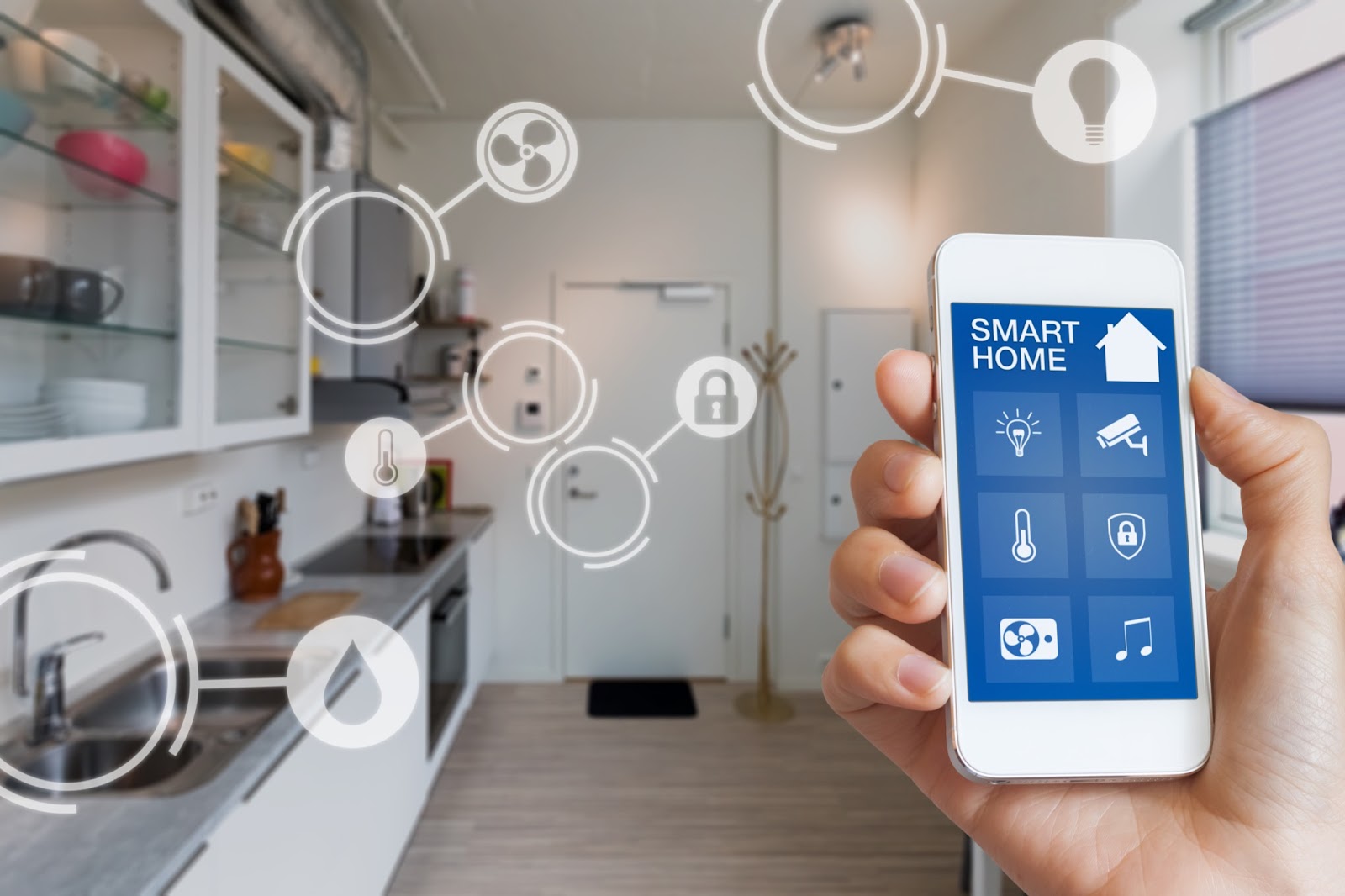
Unlocking Seamless Living: The Magic of Interconnected Appliances
Imagine a home where devices not only simplify everyday tasks but also intelligently manage resources. This is rapidly becoming a reality with interconnected appliances orchestrating harmony and efficiency in homes.
The Foundation of Interconnectivity: IoT and Wi-Fi
Central to this revolution is the Internet of Things (IoT), which interlinks devices, enabling them to communicate via Wi-Fi. With advanced Wi-Fi standards like Wi-Fi 6 and 6E, communication between devices is faster and more reliable, ensuring a seamless automation experience. These technologies transform homes into smart ecosystems where each device plays a unique role, much like instruments in a perfectly synchronized orchestra, guided by an overarching home automation system.
Energy Efficiency Through Smart Coordination
Beyond convenience, the core of interconnected appliances is energy efficiency. Imagine smart thermostats adjusting to your daily routine, optimizing heating and cooling schedules; or smart water heaters aligning their cycles with peak solar energy production, thus minimizing unnecessary energy use. Even entertainment systems are evolving to be more energy-efficient by utilizing networked technology and cloud storage. These appliances share data, make informed decisions, and minimize energy waste, all while ensuring your comfort and convenience.
AI-Powered Homes: Revolutionizing Predictive Maintenance and Security
Artificial Intelligence is pivotal in enhancing the safety and efficiency of modern homes. It empowers devices to anticipate issues before they occur, ensuring that your home functions smoothly and securely.
Predictive Maintenance: Anticipating Problems Before They Arise
AI enables homes to identify potential issues early on, greatly reducing the risk of major repairs. Systems constantly monitor appliance performance, detecting anomalies that suggest future failures. For instance, subtle changes in a refrigerator's motor temperature or vibrations in a washing machine can signal upcoming problems. By catching these issues early, homeowners can undertake preventative maintenance, saving both time and money. Think of AI as your home's personal technician, ever vigilant and ready to fix minor issues before they escalate into major headaches.
Enhanced Security: Intelligent Protection for Your Home
Security in smart homes is also taking great leaps with AI. Security cameras equipped with AI can discern between mundane and suspicious activities, minimizing false alarms and ensuring you respond only to genuine threats. Advanced facial recognition features further augment security by recognizing authorized individuals without keys, increasing both convenience and security. AI-enhanced systems can also detect unusual activity patterns, promptly alerting homeowners and even law enforcement if needed.
Green Living: How Smart Systems Drive Energy Efficiency
As the focus shifts towards green living, smart systems are proving to be key players in reducing environmental impact through energy conservation.
Smart Bathroom Fixtures: Saving Water and Energy
Sensor-activated bathroom fixtures are a prime example of technology reducing waste. These fixtures, which automatically control water flow and temperature, ensure efficient water use, especially with hot water. This not only saves on energy costs but also contributes to sustainability. Such advancements highlight how cumulative small changes lead to significant savings and environmental benefits.
Energy Monitoring Tools: Understanding Your Consumption
Understanding energy usage through smart monitoring tools empowers homeowners to optimize consumption. These tools provide real-time data, enabling easy identification of inefficient devices or systems. Comprehensive energy reports allow you to scrutinize and adapt your energy use, fostering more informed decisions toward sustainability.
Future of Home Efficiency: Smart Glass and AI Climate Control
Innovations like smart glass windows and AI-driven climate systems epitomize home efficiency's future. Smart glass can regulate light and heat, reducing dependence on HVAC systems. AI climate control learns your preferences, optimizing heating and cooling to align with your habits. These technologies not only cut energy costs but also enhance comfort and convenience.
IoT Sensors for Sustainability: Monitoring and Reporting
IoT sensors are enhancing sustainability in homes by offering comprehensive environmental monitoring and resource optimization. Imagine having extensive data on air quality, water consumption, and energy usage at your fingertips, enabling you to make proactive decisions for resource management.
| Feature | Description | Benefits | Related Devices |
|---|---|---|---|
| Smart Lighting | Automated lighting systems that adjust based on occupancy, time of day, or user preferences | Energy saving, convenience, mood enhancement | Smart bulbs, light panels |
| Security Cameras | Connected cameras offering real-time monitoring, motion detection, and video recording | Enhanced home security, remote access | Indoor/outdoor cameras, doorbell cams |
| Voice Control | Integration with voice assistants for hands-free operation of home devices | Ease of use, accessibility, multitasking | Alexa, Google Assistant, Siri |
| Energy Saving | Systems that monitor and optimize energy consumption across devices | Reduced utility bills, environmental impact | Smart thermostats, smart plugs |
| Connectivity | Seamless integration across devices using Wi-Fi, Zigbee, Z-Wave, or Bluetooth | Centralized control, interoperability | Hubs, routers, bridges |
| Devices | Range of smart home products encompassing lighting, security, climate control, and appliances | Comprehensive home automation ecosystem | Smart lights, cameras, thermostats, locks |
Navigating Privacy in Smart Homes: Balancing Innovation with Security
As smart homes become more sophisticated, privacy and security become more critical. Balancing technological advantages with robust data protection practices is essential.
Understanding the Privacy Landscape in Smart Homes
Smart homes collect an array of data, from daily routines to device-specific energy usage, making privacy a top concern. Understanding the nature and scope of this data collection, and how it’s utilized, is the first step toward ensuring secure use of smart devices. Remaining informed about privacy policies and data usage terms from technology providers is crucial for managing these concerns.
Key Privacy Considerations and Best Practices
Securing your smart home begins with protecting your network. Use strong Wi-Fi passwords, update your router firmware as necessary, and consider network segmentation for IoT devices. Restrict device permissions to essential functions and opt for systems that encrypt data transmissions. Regularly audit the security of your smart home to address vulnerabilities promptly.
By thoughtfully approaching these elements, you can maintain a technologically advanced home while safeguarding your privacy. Modern smart homes present a blend of convenience, security, and sustainability, offering the promise of an optimized, efficient lifestyle. With informed choices, homeowners can embrace this technology confidently, ensuring that their homes remain both innovative and secure.
Question and Answer
-
What are the primary benefits of integrating smart lighting into a home automation system?
Smart lighting offers several benefits, including enhanced convenience, energy efficiency, and improved security. By allowing users to control lights remotely through apps or voice commands, smart lighting provides flexibility and ease of use. It can automatically adjust based on natural light availability or occupancy, reducing unnecessary energy consumption. Additionally, smart lighting systems can be integrated with security systems to simulate occupancy when you're away, deterring potential intruders.
-
How do security cameras enhance home security in a smart home ecosystem?
Security cameras in a smart home ecosystem provide real-time surveillance and alerts, offering peace of mind and enhanced security. Advanced features like motion detection, facial recognition, and integration with other smart devices ensure comprehensive coverage. These cameras can distinguish between routine and suspicious activities, reducing false alarms. Moreover, remote access allows homeowners to monitor their property from anywhere, ensuring timely responses to potential threats.
-
How does voice control contribute to the convenience and efficiency of smart home devices?
Voice control significantly enhances the convenience of smart home devices by allowing hands-free operation. It enables users to control various functions, such as adjusting thermostats, turning on lights, or setting alarms, simply by using voice commands. This feature is particularly beneficial for individuals with mobility challenges or busy households. Voice control also integrates with virtual assistants to streamline daily routines, making smart homes more intuitive and user-friendly.
-
In what ways can smart home technology contribute to energy saving?
Smart home technology contributes to energy saving by optimizing the use of appliances and systems based on real-time data and user habits. Smart thermostats adjust heating and cooling based on occupancy and preferences, reducing energy waste. Smart plugs and energy monitoring tools provide insights into energy usage, helping homeowners make informed decisions to minimize consumption. Additionally, smart lighting and appliances automatically power down when not in use, further conserving energy.
-
What role does connectivity play in the functionality of home automation systems?
Connectivity is the backbone of home automation systems, enabling seamless communication between devices. It ensures that smart home devices can interact and function cohesively, providing a unified user experience. Wi-Fi and IoT technologies are crucial for maintaining stable connections, allowing for real-time control and monitoring. Enhanced connectivity also facilitates the integration of new devices and features, ensuring that the smart home ecosystem can adapt and expand as needed.