Unveiling the Microbial Symphony: How Gut Flora Shapes Health
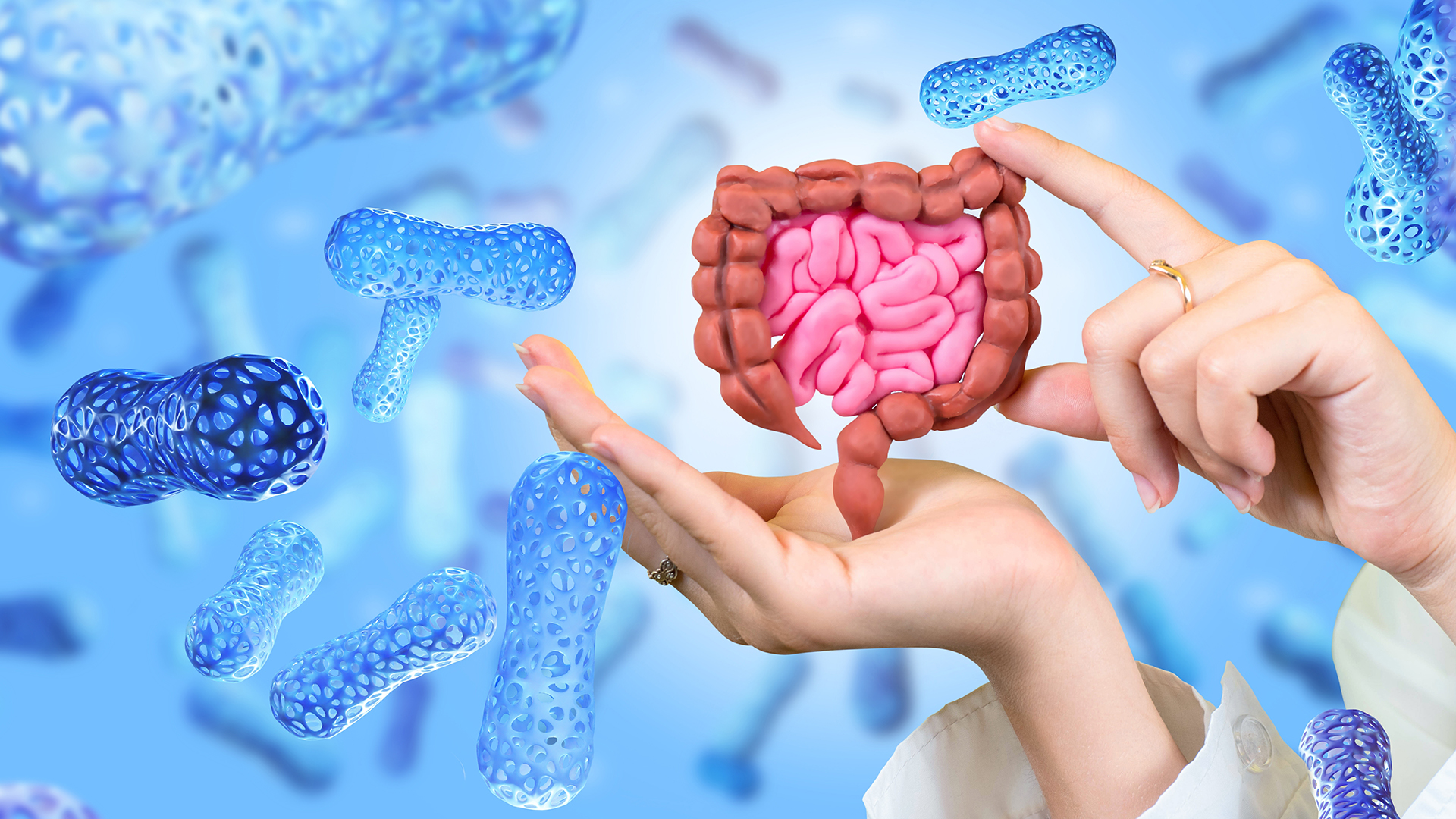
The gut, a bustling metropolis of microorganisms, is pivotal to our well-being. It hosts a vibrant community of bacteria, fungi, viruses, and other organisms that collectively form the gut microbiota. This community functions like a unique fingerprint for each individual, influenced by genetics, diet, lifestyle, and environment. When in balance, the gut flora fosters optimal health by supporting digestion, strengthening immune defenses, and even stabilizing mood.
The Gut-Immune Connection
The gut is renowned for housing a substantial chunk of the immune system. The interaction between gut flora and immune cells is foundational to immune regulation and training. For example, beneficial bacteria can stimulate the production of antibodies that fend off pathogenic threats. Thus, a balanced gut environment is crucial for preventing infections and allergies. The immune system's health hinges on this symbiotic relationship, where gut health fortifies our body's defenses against various illnesses.
Digestion and Nutrient Absorption
Gut flora's role extends to the digestion of complex carbohydrates, which the human body alone cannot process. When these fibers are fermented, they produce short-chain fatty acids (SCFAs) such as butyrate, acetate, and propionate. These SCFAs serve as a valuable energy source for colon cells while also reducing inflammation. Moreover, gut flora notably enhances the absorption of essential nutrients, including vitamins and minerals, ensuring comprehensive nourishment.
Metabolic Dysregulation and the Gut
An imbalance in gut flora, known as dysbiosis, can disrupt metabolic processes, ushering in insulin resistance, obesity, and type 2 diabetes. This condition affects the body's capability to metabolize sugars and fats, leading to dysfunctions. Adjusting dietary plans to enrich the gut microbiota can help restore balance, thus supporting better metabolic health and preventing metabolic disorders.
The Magic of Fermentation: Enhancing Gut Resilience Naturally
Fermentation is a time-honored technique that preserves and transforms foods, enhancing their nutritional value. During fermentation, beneficial microbes break down sugars and starches into acids and alcohol, enriching food with probiotics and bioactive compounds.
What is Fermentation?
In fermentation, microorganisms like bacteria and yeast convert carbohydrates into organic acids, gases, or alcohol. This biochemical reaction not only preserves the food but also introduces beneficial changes, enhancing flavors and increasing the food’s nutritional profile. The role of these microbes is akin to preparing meals for your gut, making nutrients more available and offering new health benefits.
The Benefits for Your Gut
Fermented foods are valuable for gut health as they are rich in probiotics, which help replenish beneficial bacteria in the gut. These bacteria aid digestion, improve nutrient absorption, and boost immune defenses. Fermentation also breaks down complex substances, such as phytates in foods, easing digestion and nutrient uptake. Including fermented food in one's diet ensures the gut flora thrives, consolidating a robust gut ecosystem.
Examples of Fermented Foods
A diverse assortment of fermented foods like yogurt, kefir, sauerkraut, kimchi, and kombucha enriches diets with active microbial cultures. Each offers unique probiotic advantages, catering to different taste preferences. Exploring this range can reveal enjoyable options that fit seamlessly into daily meals, contributing to a thriving gut.
From Fermentation to Immunity: The Gut's Nutrient Symphony
The gut, while central to digestion, also significantly impacts immune functionality. Fermented foods play an essential role in this health symphony by fortifying the gut microbiota.
The Gut-Immune Connection
As an integral part of immune health, the gut microbiota influences the development and function of immune cells. By cultivating a balanced microbial environment, the gut enhances immune resilience, readying the body to fend off pathogens. The collaborative relationship between gut bacteria and the immune system optimizes protection against diseases and supports rapid responses to infections.
How Fermented Foods Boost Immunity
The probiotics in fermented foods bolster the gut lining, preventing harmful substances from permeating the bloodstream. These foods foster antibody production and activate various immune cells, enhancing the body's capability to combat infections. By nourishing the gut microbiota, fermented foods play a vital role in bolstering immune defenses.
Beyond Probiotics: Other Nutritional Benefits
Fermentation can amplify the availability of vitamins and enzymes, as seen with vitamin K2 in fermented vegetables, essential for bone health and blood clotting. This transformation renders nutrients more accessible and digestible, further augmenting bodily health by contributing additional value to the diet.
Bacteria in Balance: Unlocking Gut Health through Diverse Nutrition
A flourishing gut microbiome thrives on diversity. Achieving and maintaining this balance is crucial for gut health, requiring an array of dietary sources rich in prebiotics and probiotics.
The Importance of Microbial Diversity
Diverse gut flora is more robust against disruptions and performs myriad functions effectively, from digestion to systemic immunity. A lack of microbial variety can trigger health complications, ranging from digestive disorders to autoimmune diseases. Supporting diversity through dietary strategies is thus vital for holistic health.
Prebiotics: Fueling the Good Bacteria
Prebiotics, found in fibrous foods, provide sustenance to beneficial microbes in the gut. Ingredients like garlic, onions, and bananas are excellent prebiotic sources that cultivate a beneficial gut ecosystem. These foods nurture the growth of healthy bacteria, fostering a balanced and resilient microbiome.
Combining Probiotics and Prebiotics
Integrating prebiotic-rich foods with probiotics optimizes gut health. This dual approach ensures that the introduced beneficial bacteria are well-nourished, creating a fortified gut environment that enhances digestive health and systemic wellness. By making informed choices about daily diet, you promote a nutritionally diverse and robust gut microbiota.
Question and Answer
-
What are the primary benefits of taking a probiotic supplement for gut health?
Probiotic supplements can offer several benefits for gut health by introducing beneficial bacteria into your digestive system. These supplements help in maintaining bacterial harmony by promoting a balanced gut microbiota, which is crucial for efficient digestion and nutrient breakdown. They support digestive diversity by increasing the variety of bacterial strains in the gut, which can enhance the body's ability to process different foods and absorb nutrients effectively. Moreover, probiotics can boost the immune connection by enhancing the gut's role in regulating immune responses, potentially reducing the risk of infections and inflammatory conditions.
-
How do fermented foods contribute to bacterial harmony in the gut?
Fermented foods are rich in probiotics, which are live microorganisms that can replenish and diversify the gut microbiota. The fermentation process not only preserves these foods but also enhances their nutritional profile by breaking down complex compounds into more digestible forms. This promotes bacterial harmony by fostering a balanced and diverse microbial ecosystem in the gut. Fermented foods like yogurt, sauerkraut, and kimchi can help maintain a healthy gut barrier, improve digestion, and boost the immune system, all contributing to a harmonious gut environment.
-
Can you explain the relationship between nutrient breakdown and gut microbiota?
The gut microbiota plays a crucial role in the breakdown of nutrients, especially complex carbohydrates and fibers that the human body cannot digest on its own. The bacteria in the gut ferment these fibers, producing short-chain fatty acids (SCFAs) such as butyrate, acetate, and propionate. These SCFAs are vital for maintaining the health of the colon lining, reducing inflammation, and serving as an energy source for the gut cells. By aiding in nutrient breakdown, the gut microbiota ensures that essential vitamins and minerals are absorbed efficiently, supporting overall health.
-
How does a diverse gut microbiome influence the immune system?
A diverse gut microbiome is essential for a robust immune system. The gut hosts a significant portion of the body's immune cells, and the interaction between these cells and the microbiota is crucial for immune regulation. A diverse microbial community helps train the immune system to distinguish between harmful pathogens and benign substances, reducing the likelihood of overactive immune responses that can lead to allergies or autoimmune diseases. Furthermore, certain beneficial bacteria stimulate the production of antibodies and other immune cells, enhancing the body's ability to fight infections.
-
What role do fermented foods play in enhancing immune function?
Fermented foods enhance immune function primarily through their probiotic content. These foods introduce beneficial bacteria into the gut, which can strengthen the gut lining and prevent harmful pathogens from entering the bloodstream. Fermented foods also stimulate the production of antibodies and other components of the immune system, helping to fend off infections. By promoting a balanced gut microbiota, fermented foods support the gut's role as a central hub of immune activity, contributing to a stronger and more responsive immune system.