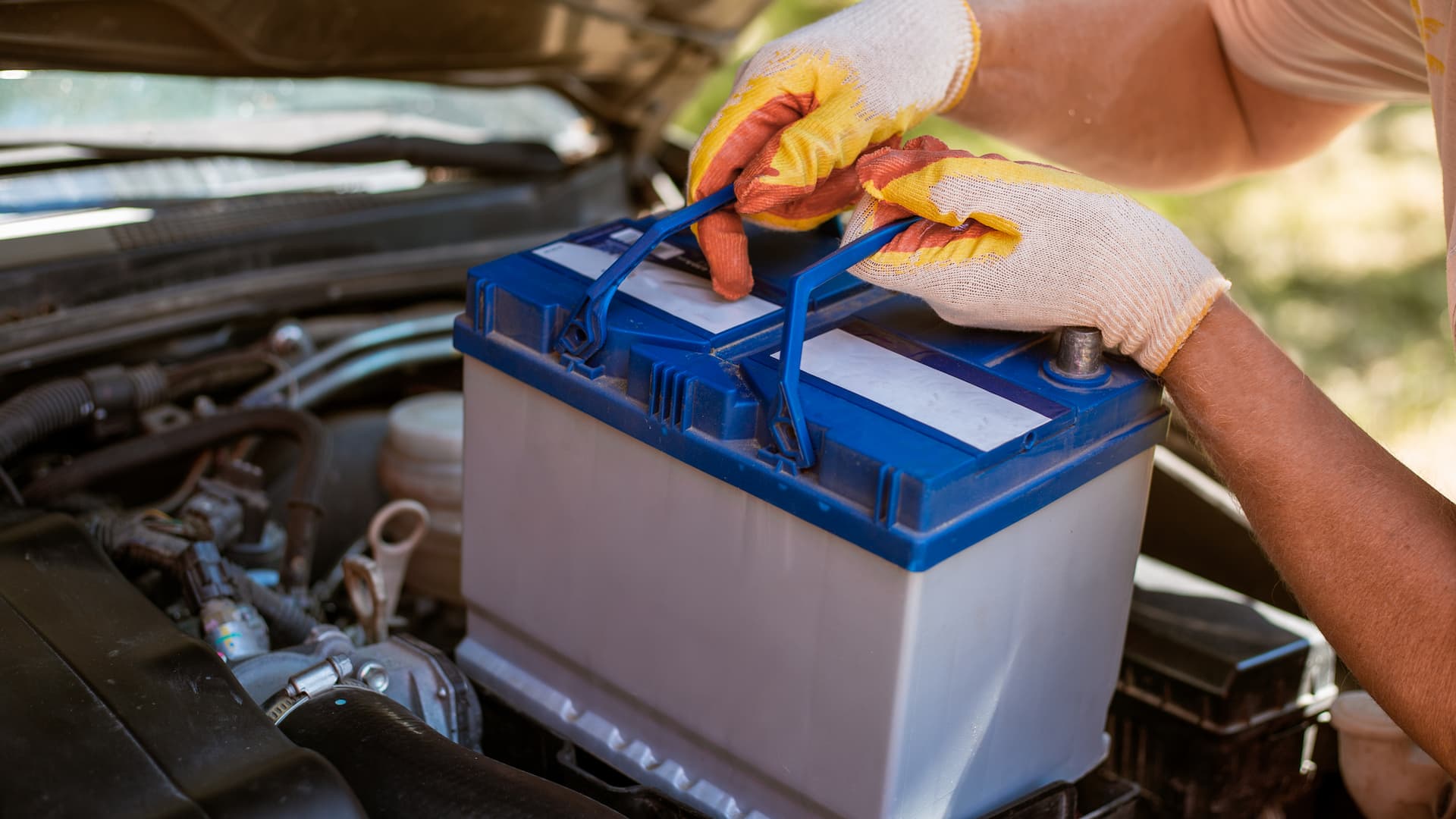
Understanding Your Car's Battery: The Heart of Your Vehicle
Your car's battery is more than just a component; it's the essential powerhouse that keeps everything running smoothly.
How It Powers Up Your Ride
Imagine starting your day without electricity—no gadgets, no appliances, no light. Your car battery serves a similar function for your vehicle, providing the essential jolt needed to fire up the engine. Once the engine is running, the battery continues to power critical electrical systems like your headlights, radio, and security features. Without it, these systems fall silent, just like an uncharged phone. Maintaining it in top condition ensures that your vehicle starts reliably and powers all auxiliary systems.
The Science Behind the Charge
Think of a car battery as a compact, rechargeable energy vault. Inside, chemical reactions occur between lead plates and sulfuric acid, generating electrons that create a vital electrical current. This stored energy initiates when you start your car, triggering the starter motor and ultimately turning over the engine. As you drive, the alternator recharges the battery by restoring the electrons used in starting. Understanding this fundamental process emphasizes the importance of regular checks and balances to keep your vehicle's heart—its battery—functioning optimally.
Essential Beyond Starting the Engine
The battery's role extends beyond mere ignition. It's integral to every aspect of your driving experience, from the navigation system that guides you to the wipers that prepare you for stormy conditions. A weakening or failing battery doesn't just mean a silent engine; it means compromised vehicle operation. Hence, ensuring longevity and function is pivotal to avoid unexpected breakdowns and ensure robust vehicle performance.
Unraveling Myths: The Truth About Car Battery Maintenance
With countless misconceptions floating around, let's set the record straight on some of the most common car battery myths.
Debunking Misconceptions
Misunderstandings about battery function and maintenance can lead to neglect or improper care. For instance, while leaving the headlights on can drain your battery, many other factors contribute to power loss. Modern vehicles harbor numerous electronic systems that retain a small draw even when at rest. Thus, regular inspections and smart maintenance are essential in preventing unexpected battery failures, often exacerbated by cumulative, unnoticed power drains.
Jump Start Limits and Battery Health
Jump-starting can be a lifesaver during a sudden failure but isn't a panacea for battery health. It offers a temporary solution, particularly if the underlying cause of the failure is age or persistent faults. When batteries often require a jump start, it signals a deeper issue, possibly necessitating replacement sooner rather than later. Investing in a diagnostic check-up when such patterns emerge can prevent unwelcome surprises and ensure your battery's health.
The Right Battery Matters
Assuming all car batteries are the same is a common pitfall. Vehicle-specific needs require diverse battery specifications, from size to cold cranking amps (CCA). The wrong battery choice can cause performance issues or even damage the electrical system. Familiarizing yourself with your car's requirements, often accessible in the owner's manual, helps in selecting the appropriate battery and sustaining its optimal operation.
Pro Tips for Maintaining and Rejuvenating Car Batteries
Knowing how to jump-start and perform basic battery upkeep is crucial for any driver, ensuring a longer, trouble-free battery life.
Mastering the Jump Start
Proper technique in jump-starting can save you from further trouble. Begin with both vehicles turned off, attaching cables correctly—red to positive and black to negative and unpainted metal. Power up the assisting vehicle first, then attempt to start the faulty one. Such practices not only restore power but safeguard against potential hazards of mishandling that could bring additional costs.
Regular Maintenance for Longevity
Maintaining a clean and secure battery environment greatly extends its life. Inspect for corrosion on terminals and clean it using a simple baking soda solution. Tighten connections to impede vibration damage. In severe climates, trickle chargers or battery maintainers can preserve charge, and regular professional testing reveals and addresses issues proactively, avoiding costly roadside complications.
Recognizing Red Flags
Being vigilant about symptoms of battery deterioration—like dimming lights or slow engine start—can preempt serious problems. Identifiable warning signs, including dashboard alerts, imply that a professional evaluation is needed. With timely intervention, the likelihood of unexpected vehicular stoppages dwindles.
Embracing Technology: Evolutions in Battery Innovation
A wave of innovations is reshaping the landscape of car battery technology, promising more efficient and sustainable solutions for vehicles.
Lithium-Ion and Beyond
Lithium-ion batteries are leading the charge towards more efficient electric power solutions. They balance energy density with longevity and keep improving through innovations like faster charging and greater capacity. Strategic collaborations between automakers and battery innovators enhance future prospects, ensuring these advancements meet consumer demands for reliability and range.
Silicon-Carbon Composite Advancements
An emerging element in anodes, silicon-carbon composites increase energy density and charging rates, benefiting from a growth-driven market adoption. Such improvements further enhance battery efficiency and vehicle range capabilities, crafting a smarter, energy-saving future automobile landscape.
Enhanced Thermal Management
Ensuring batteries remain within optimal thermal ranges is vital for preserving their fitness and lifespan. Modern thermal management systems not only stabilize temperatures but actively monitor potential anomalies, preempting downtimes and safeguarding operation against thermal imbalances.
The Horizon: Solid-State Progress and Adaptive Solutions
Looking forward, solid-state battery development stands poised to revolutionize energy storage with potential gains in safety and capacity. Increased investment and exploration in adaptive technologies promise outstanding benefits, challenging and possibly surpassing current lithium-ion benchmarks.
Ready for the Road: Preparing Your Vehicle's Battery
Before embarking on road journeys, some easy yet crucial checks ascertain that your battery won't flatline mid-escapade, ensuring travel readiness.
Conducting Thorough Visual Inspections
A visual sweep can often uncover issues like corrosion at connection points or physical battery bloating. Utilizing protective gear, cleaning identified buildup with appropriate tools assures proper electrical flow, while spotting and rectifying physical damage prevents on-road dilemmas.
Secure Installation and Connections
Ensure that the battery remains tightly secured and all connections remain stable. A loose battery or cables can lead to performance malfunctions or complete electrical disruption. Verifying the secure mounting and tightening connections reinforces battery stability, essential for safe travels.
Voltage Checks for Assurance
A simple voltage check provides insights into battery health. Employ tools such as a multimeter to measure voltage levels, ensuring they align with healthy figures around 12.6 volts. Professional assessments at auto parts centers often come at no cost and deliver peace of mind, mitigating the chances of unforeseen breakdowns.
As you navigate the complexity of car battery care, embracing informed choices and routine proactive measures ensures reliability, reducing the likelihood of sudden, inconvenient failures while facilitating enjoyable and worry-free motoring.
Question and Answer
-
What is the significance of maintaining the correct voltage in a car battery?
The voltage of a car battery is crucial because it indicates the battery's health and ability to start the engine and power the vehicle's electrical systems. A fully charged car battery typically has a voltage of around 12.6 volts. If the voltage drops significantly below this level, it could mean the battery is failing or unable to hold a charge, which might lead to starting issues or affect the performance of the vehicle's electronics. Regular voltage checks can help detect potential problems early and prevent unexpected breakdowns.
-
How does jump-starting a car battery work, and why is it not a long-term solution?
Jump-starting a car involves connecting a dead battery to a fully charged one using jumper cables, providing a temporary boost of electricity to start the vehicle. This method allows the car to start by using the energy from the functioning battery. However, it's not a long-term solution because it doesn't fully recharge the dead battery; it merely provides enough power to get the engine running. If a battery repeatedly requires jump-starting, it might indicate underlying issues such as battery age, a fault, or a problem with the vehicle's charging system, necessitating a battery replacement or further inspection.
-
What are some essential car battery maintenance tips to extend its lifespan?
To extend the lifespan of a car battery, regular maintenance is key. This includes keeping the battery terminals clean and free from corrosion, which can be done using a mixture of baking soda and water. Ensuring the battery is securely mounted can prevent damage from vibrations. Additionally, avoiding leaving lights and electronic devices on when the engine is off can prevent unnecessary battery drain. In regions with extreme temperatures, using a battery maintainer can help keep the battery charged during periods of inactivity. Regular battery testing by a professional can also help monitor its health and preemptively address potential issues.
-
What factors contribute to the lifespan of a car battery, and how can they be managed?
Several factors affect a car battery's lifespan, including temperature extremes, usage patterns, and maintenance practices. High temperatures can accelerate chemical reactions inside the battery, leading to a shorter lifespan, while cold temperatures can reduce the battery's ability to hold a charge. Frequent short trips don't allow the alternator enough time to recharge the battery fully, gradually depleting its capacity. To manage these factors, parking in a garage or shaded area can mitigate temperature effects, and ensuring regular, longer drives can keep the battery adequately charged. Consistent maintenance and monitoring can also help extend the battery's life.
-
How do modern battery technologies enhance vehicle performance and lifespan?
Modern battery technologies, such as lithium-ion and silicon-carbon composite batteries, offer significant improvements in energy density, charging times, and overall lifespan. Lithium-ion batteries provide a balance of power and longevity, making them ideal for electric vehicles, while innovations like silicon-carbon anodes enhance energy storage and charging efficiency. These advancements lead to longer driving ranges and reduced charging times, contributing to better vehicle performance. Additionally, advanced thermal management systems ensure optimal battery temperatures, preventing overheating and extending lifespan. Continuous research and development in battery technology promise further enhancements in vehicle performance and efficiency.