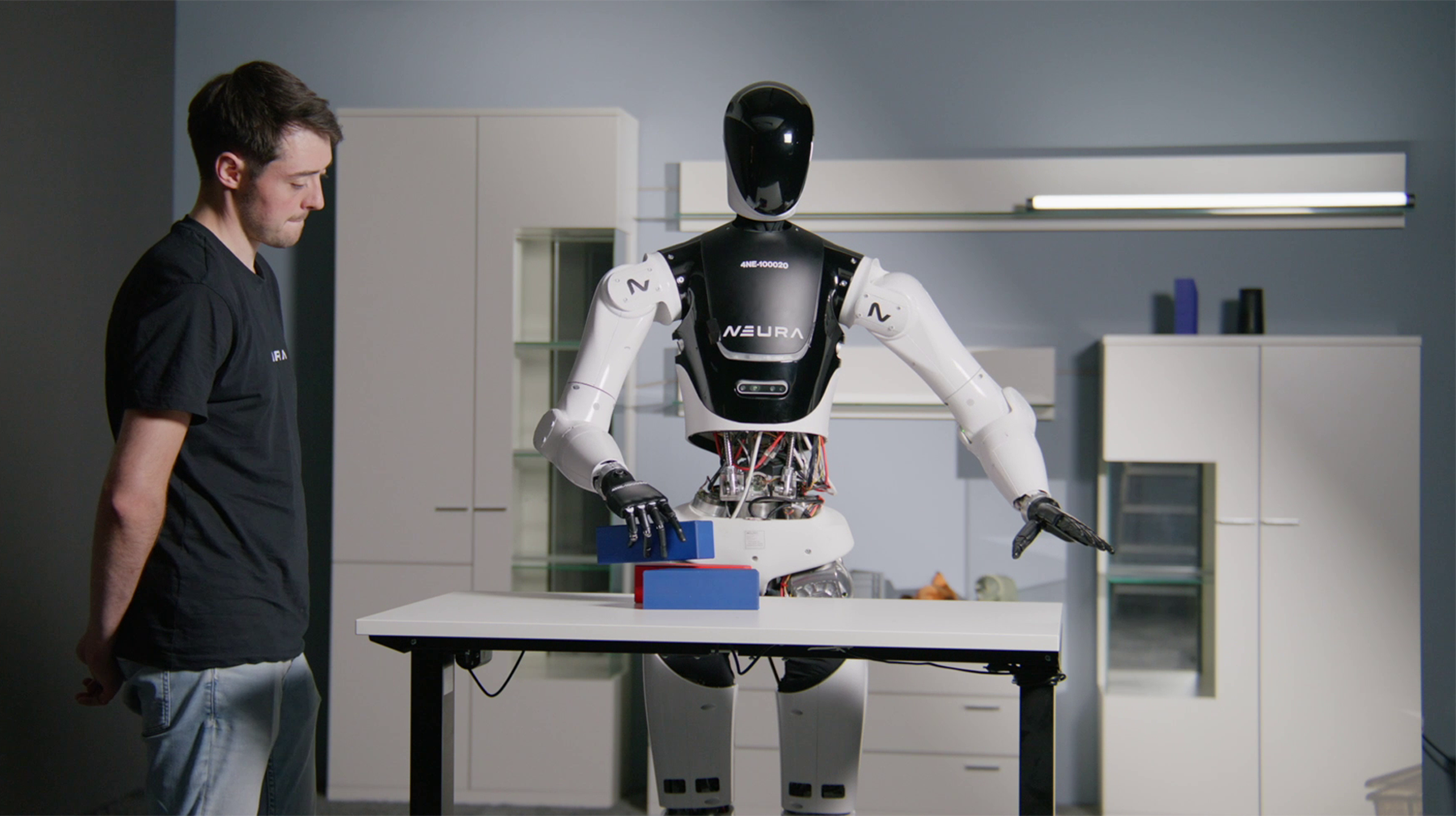
The Battle with Unfamiliarity: Embracing Complex Human-Like Experiences
Cognitive robotics is intertwined with the quest to make robots less alien and more like us. The challenge lies in navigating the delicate balance where machines meet our innate expectations of familiarity and comfort.
Understanding the Risks of Over-Humanization
The desire for robots to mimic human behaviors presents unique challenges, especially when subtle discrepancies evoke discomfort rather than affinity. This effect, known as the "Uncanny Valley," represents a fascinating psychological phenomenon where machines evoke empathy up to a certain point, beyond which the minute imperfections can generate unease or even revulsion. Researchers believe this is due to our brains being finely tuned to recognize human patterns. When robots exhibit near-human features but fall short in subtleties—like eye movement or skin texture—they can disturb our natural expectations, triggering a protective response as if sensing a threat or disease.
This peculiar dip in emotional response encourages roboticists to thread carefully between lifelike precision and overt abstraction. The rising complexity of robots striving to dodge this valley promotes exploration in either enhancing realism to surpass it or intentionally avoiding the cusp of human-like appearance. Each path offers its own set of engineering and social challenges, motivâtng diversified approaches and multidisciplinary collaborations to resolve these discomforts and reframe them as opportunities for innovation.
Technological Advancements Influencing Perception
Cognitive robotics hinges on equipping robots with sophisticated systems to mimic perceptual and intelligent human abilities. These advancements transcend physical likeness and delve into the realm of cognitive functionalities that allow robots to process data and behave in ways resonating with human expectations. The integration of machine learning technologies enables robots to learn intricacies of human emotion, speech patterns, and contextual behaviors, moving them closer to being seamless collaborators rather than alien invaders in human spaces.
Sophisticated sensor arrays known as sensor networks play a critical role in this advancement by acting as the senses of a robot, collecting auditory, visual, and tactile data which can then be processed to enable nuanced interactions. By utilizing neural networks, robots gain a liberal dose of adaptability, refining their ability to mimic meaningful emotional states, which can significantly enhance their roles in providing services ranging from companionship to complex task automation.
From Virtual Sensation to Genuine Connection: Ethical Implications
The capacity for machines to emulate emotional cues not only augments interaction but also prompts crucial discourse on ethical responsibilities. As their potential resemblance to human cognition grows, questions of ethics, privacy, and moral implications intensify.
Upholding Ethical Standards in Emotion Recognition
Consider the situation whereby robots might interpret an individual's emotional state—this is a profound ability that can improve interactions, but also presents risks if misused. Emotional AI, which underpins these functionalities, has to balance technical ability against ethical considerations, ensuring robots remain tools for good rather than manipulation or privacy invasion.
Safeguarding against unethical utilization involves crafting stringent guidelines that maintain user autonomy over the data robots collect and reinforcing transparency about what is collected and its purposes. Emotional data, potentially revealing intimate insights into user well-being or mental state, should be stringently secured, and protocols developed to respect and protect these insights. These complexities require comprehensive regulatory frameworks alongside public discussions to establish mutually accepted standards for automation ethics.
Navigating the Sea of Bias and Fairness
Emotional cognition introduces the threat of algorithmic bias, where technology could disproportionately benefit or disadvantage certain user groups based on incomplete or unrepresentative data sets. Ensuring fairness in robotic decision-making involves continuously revising datasets to encapsulate diverse demographics, alongside rigorous testing to rectify biases in algorithmic outputs. These measures are integral for forging equitable interactions and fostering trust in cognitive systems. By maintaining a focus on inclusivity and representation, society ensures robots serve wider populations more equitably, echoing the human values they are meant to embody and support.
Towards Holistic Learning: Cognitive Robotics and Adaptive Strategies
The sphere of adaptive learning heralds significant transformations, from static responses to dynamic, learning-enabled machines, marking turning points in human-robot collaborations.
Mechanisms and Pathways to Proactive Learning
Cognitive robots mark a shift from routine task automatons to curious, knowledge-bearing entities capable of self-improvement through experiential learning. Techniques such as imitation learning empower robots to comprehend tasks by observing human actions, subsequently mimicking these processes to build adaptable models of behavior. In environments where predefined reactions fall short, these tools are crucial, equipping robots with the means to face uncharted challenges adeptly.
Harnessing Reinforcement Learning for Autonomous Growth
The crux of adaptive learning in robotics lies in reinforcement learning, where reward-based approaches guide robot behavior toward optimized outcomes. In practice, this translates to robots engaging in task repetitions, adjusting strategies based on successes and feedback until reaching proficient levels. Through this iterative self-teaching, machines not only refine existing abilities but also open up possibilities for acquiring new, unforeseen skill sets.
The Evolution of Knowledge through Continuous Adaptation
Adaptive learning also champions continuous evolution within robots, ensuring they remain competent even as scenarios shift. Robots must be equipped to transfer learned insights across differing contexts, adapting prior knowledge to fit diverse applications. This fluid adaptability underpins the transition from mere tools to genuine partners in complex problem-solving, enhancing their viability across industries from healthcare to logistics.
Navigating cognitive robotics calls for a keen understanding of both the possibilities and responsibilities that come with creating machines capable of human-like interaction. Ensuring ethical engagement, meaningful connections, and responsive adaptability remains at the forefront of this expansive field.
Q&A
-
What is cognitive robotics and how does it differ from traditional robotics?
Cognitive robotics is a field that focuses on endowing robots with intelligent behavior by enabling them to process information in a manner similar to humans. Unlike traditional robotics, which often relies on pre-programmed tasks, cognitive robotics involves machines learning from their environment, adapting to new situations, and making decisions based on sensory input. This approach allows for more dynamic and flexible interactions with the environment.
-
How does human-like perception enhance the capabilities of robots in various applications?
Human-like perception allows robots to interpret and understand complex environments similarly to how humans do, which is crucial for tasks that require nuanced interaction. For example, in healthcare, robots with advanced perception can assist in surgery by recognizing subtle differences in tissue types. In manufacturing, they can adapt to new assembly processes with minimal reprogramming, increasing efficiency and reducing downtime.
-
What role does sensor integration play in the development of adaptive learning in robots?
Sensor integration is vital for adaptive learning as it provides the robot with the necessary data to perceive its environment accurately. By combining inputs from various sensors, such as cameras, microphones, and tactile sensors, robots can form a comprehensive understanding of their surroundings. This multisensory data is crucial for the robot to learn and adapt its behavior in real-time, improving its ability to perform tasks under changing conditions.
-
In what ways can emotional AI contribute to the field of ethical robotics?
Emotional AI can significantly contribute to ethical robotics by enabling robots to recognize and appropriately respond to human emotions. This capability is important in settings like eldercare or customer service, where understanding emotional cues can lead to more compassionate and effective interactions. Additionally, emotional AI can help in designing robots that act ethically by prioritizing human well-being and respecting privacy.
-
Why is behavior modeling important in the advancement of cognitive robotics, and what challenges does it present?
Behavior modeling is essential in cognitive robotics as it allows robots to predict and simulate human actions, leading to better collaboration between humans and robots. This is particularly important in scenarios where robots and humans work side-by-side, such as in assembly lines or surgical teams. However, challenges include accurately modeling complex human behaviors and ensuring that robots do not make erroneous assumptions that could lead to safety risks.