From First Dollar To Real Protection
Why the very first amount matters
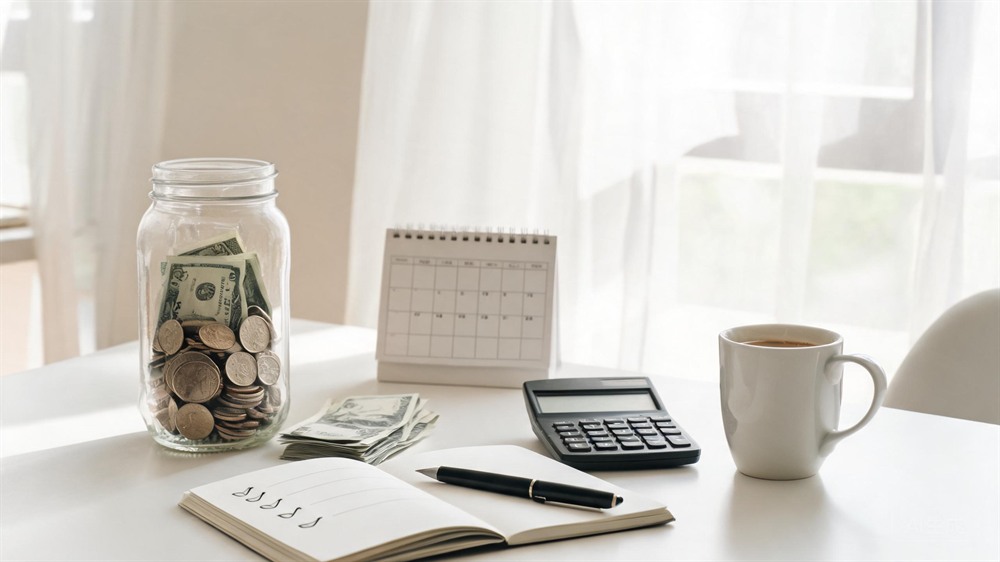
The scariest part of saving is usually the big number people think they “should” have. Hearing that you need months of living costs tucked away can feel impossible when your account already feels stretched. Shifting focus to the first tiny amount removes that pressure. Once even a single note or a few coins sit in a separate place, your safety pot is no longer an idea; it is visible and real. That small balance starts to change how you see yourself: not as someone who “can’t save,” but as someone who has started. Each new deposit, however small, is a quiet vote for your future, and that mindset shift often reduces stress long before the balance looks impressive.
Thinking in stages instead of “all or nothing”
Breaking the journey into clear stages keeps motivation alive. One simple structure is to move from a starter pot, to a short spell of essentials, and then to a thicker shield. Stage one covers those nagging surprises like minor repairs or urgent visits to the doctor. Stage two focuses on a few months of basic bills: roof over your head, food at home, heat, light, transport, and minimum debt payments. Stage three is the deeper cushion for households with one main earner or more unpredictable income. You do not have to choose your final destination on day one; you simply move from one stage to the next as life and income change, celebrating each step as a stand‑alone win.
Finding Room In A Busy Household Budget
Uncovering hidden leaks in everyday spending
Most people do not have a neat pile of extra cash waiting to be saved. The money that could build your safety pot is usually scattered through subscriptions, quiet auto‑renewals, and small habits. A calm look through recent bank or card statements can reveal streaming platforms you barely use, apps you forgot about, or duplicates across services. Trimming just a couple can free a regular trickle into your reserve. Day‑to‑day choices matter too: frequent deliveries, takeaway coffees, snacks on the go, and spur‑of‑the‑moment online orders rarely feel costly in isolation, but together they often equal a meaningful weekly amount that could support your future self instead.
Turning spare change into a meaningful cushion
Once you spot those leaks, the aim is to redirect some of that money with as little pain as possible. Cancelling one subscription, skipping one delivery meal, or choosing public transport over a rideshare just once a week can free a modest sum. Repeating those choices regularly can turn into a few hundred over a year without any dramatic lifestyle overhaul. “Found money” helps too: refunds, small work bonuses, cash gifts, or the proceeds from selling unused items are perfect candidates for your safety reserve because they were not part of your usual plan. Sending them straight to savings before they blend into daily spending helps your pot grow far faster than willpower alone.
| Everyday choice | Typical impact on your buffer | Best use case |
|---|---|---|
| Cancel one low‑value subscription | Creates a steady monthly trickle into savings | Good when income is stable but expenses creep up |
| Reduce one delivery/takeaway | Frees flexible cash without big lifestyle change | Helpful for people who value convenience |
| Sell unused items occasionally | Provides occasional larger boosts | Ideal for quick progress to a starter cushion |
| Use public transport more often | Shifts transport costs into your safety reserve | Works best in areas with reliable services |
Small adjustments in any of these areas can quietly feed your reserve without making your budget feel punishing or unrealistic.
Simple Systems That Run In The Background
Automating contributions from day one
Relying on sheer willpower to save usually lasts a week or two before life gets busy. Automation turns good intentions into a routine. Setting a fixed transfer on payday from your main account into a separate savings space means you pay your future self first. The amount can be tiny at the start—whatever does not threaten rent, food, or essential bills. Because the transfer happens before the money feels “available,” you are far less likely to spend it accidentally. Over time, you can nudge the figure up when pay increases or other expenses fall, allowing the habit to stay comfortable while the cushion thickens in the background.
Separating and tracking your growing reserve
Keeping this pot distinct from daily spending improves self‑control far more than most people expect. A clearly labeled savings account or digital “bucket” makes the money feel special and purposeful. You know it is there if trouble hits, but it is not staring at you every time you check your balance, whispering “spend me.” Simple tracking adds motivation: a scribbled chart on the fridge or a basic app that marks your progress from zero to your first few hundred, then toward a month of essentials. Mini‑milestones—like celebrating when you hit your first target—keep you engaged even in slow months.
Blending steady deposits with occasional boosts
A strong reserve often grows from two streams: small, regular contributions and less frequent jumps. The regular part might be a weekly transfer or a set share of every paycheck, such as a fixed percentage. The jump comes from one‑off events: a tax refund, overtime, seasonal shifts, or selling something you no longer need. Deciding in advance that a specific slice of these windfalls automatically goes to your cushion prevents you from having to debate each time. Steady drips plus occasional splashes create a faster path to security than waiting for some mythical “big spare amount” that rarely appears.
Using The Money Wisely When Life Hits
Defining a true emergency for your household
A clear definition protects your fund from slowly dissolving into everyday spending. A genuine emergency is usually necessary, urgent, and not reasonably planned for. Necessary means it affects health, safety, shelter, or the ability to work: a broken boiler in winter, essential car repairs, or critical medical treatment. Urgent means it cannot wait for months while you gradually save. Not reasonably planned for means it falls outside normal, predictable bills such as holidays or annual renewals. Writing down your household rules—especially if you share money with someone—reduces arguments and snap decisions when tensions run high.
Spending from the reserve without guilt
At some point, you will face a situation serious enough to tap the pot. That is not failure; it is proof the plan worked. Without the buffer, the same event might have landed on high‑interest debt or forced you to fall behind on rent or utilities. When you do draw from savings, pause to notice what you avoided: extra borrowing, late fees, or rushed choices made in panic. Then decide on a simple rebuild plan. You might temporarily nudge up your automatic transfer, direct the next small windfall to the fund, or cut one non‑essential cost until the balance returns to your chosen level.
| Situation | Likely category | Suggested action with your reserve |
|---|---|---|
| Sudden loss of regular income | Serious, necessary, urgent | Use the cushion to cover bare essentials |
| Major car or home repair for safety | Necessary, often urgent | Draw what you need, then plan to rebuild |
| Last‑minute leisure trip | Optional, usually not urgent | Use normal budget or separate savings instead |
| Annual subscription or known bill | Predictable, can be planned for | Build a dedicated small pot outside the reserve |
This kind of simple guide keeps your shield strong enough to protect you when something truly serious appears.
Matching The Plan To Your Life
Choosing a realistic target for your situation
No two households look the same. Someone with consistent pay, shared bills, and lower fixed costs may feel fine aiming for a shorter cushion. Another person with variable freelance income, dependants, or a single paycheck supporting everyone might sleep better with a thicker layer. Start by working out a bare‑bones monthly figure: rent or mortgage, utilities, basic food, transport, insurance, and minimum debt payments. Luxuries do not belong in this number. A first milestone might be enough to cover a few days, then a couple of weeks, then a month. Over time, you can stretch toward several months if that fits your risk level and capacity.
Adapting deposits to different income patterns
Income shape matters as much as expense size. If paydays are steady and predictable, a fixed weekly or monthly transfer usually works well. If money arrives in uneven bursts—commissions, shifts, seasonal work—a percentage system can feel more natural. For example, you might decide that a slice of every payment flows to your reserve before you touch the rest. High‑earning months push the fund forward faster, while lean periods allow lighter contributions without breaking the system. Revisiting these settings once or twice a year keeps them aligned with your real life rather than a snapshot from the past.
Letting your safety cushion evolve over time
Life rarely stands still. Rents rise, family members move in or out, health needs change, and job security shifts. Treating your reserve as a living part of your money plan keeps it useful. When big changes happen—new baby, new job, move to a different area—take a short moment to check whether your target and your monthly transfer still feel right. You may choose to strengthen the cushion, or you may decide it is already enough and direct new money toward other aims like debt reduction or longer‑term investing. The point is flexibility: your safety pot grows and adapts alongside you, turning small, regular choices into a steady source of calm.
Q&A
- How do I decide the right size for my Emergency Fund Building Plan?
Start with 1–3 months of essential expenses as a short‑term goal, then build toward 6 months. Consider job stability, dependents, insurance coverage, and variable costs to refine the final target.
- What’s a realistic way to build a Monthly Savings Habit if my income is irregular?
Base your target on a conservative “worst‑case” income, automate transfers right after payday, and use percentage‑based saving so contributions rise and fall with your earnings.
- Where should I keep my Personal Cash Buffer so it’s safe but still accessible?
Use a high‑yield savings account or money market account at a reputable bank, keep it separate from daily spending, and avoid locking it into long‑term products or risky investments.
- How can Unexpected Expense Planning improve overall Household Budget Stability?
By listing likely surprise costs and assigning small monthly sinking funds to each, you reduce the need for debt, protect your regular budget, and prevent emergencies from derailing long‑term goals.
- What makes a Practical Saving Strategy effective for Short Term Financial Safety?
It is simple, automated, and flexible, prioritizes essential cash reserves before investing, includes periodic check‑ins, and aligns with your actual spending patterns and risk tolerance.