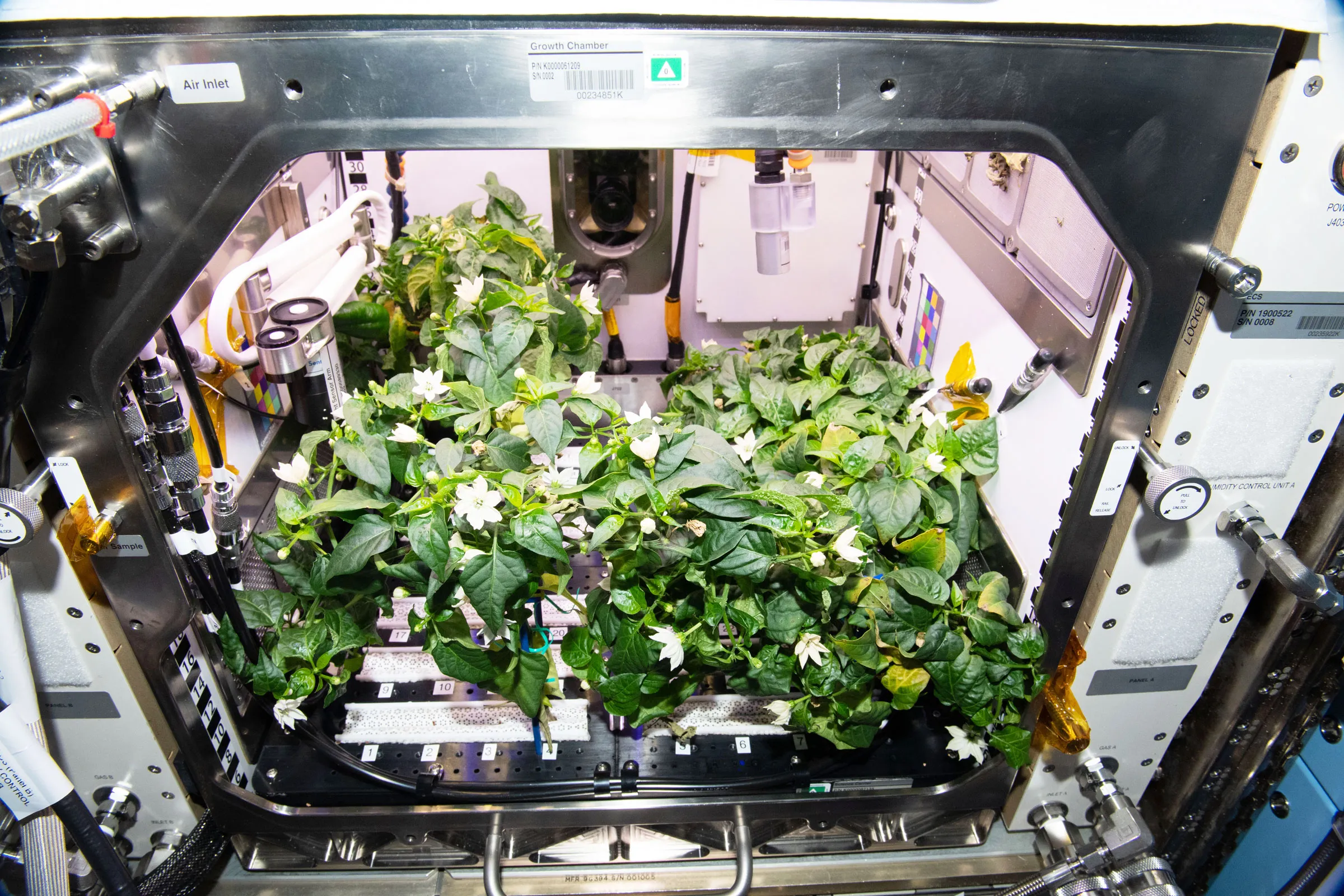
Exploring Microgravity's Impact on Growth
Space agriculture faces unique challenges, with microgravity being a primary concern. This environment affects basic plant processes, offering both hurdles and opportunities for pioneering growth strategies beyond our planet.
Altered Seed Development
One critical aspect of plant growth in space is how seeds germinate differently in microgravity. Studies conducted aboard platforms like the International Space Station reveal unexpected developments. In the absence of gravity, seeds such as Armenian pomegranate show varied germination rates and patterns. The lack of gravitational pull means that seeds may sprout unevenly or exhibit anomalies unseen in terrestrial growth. These insights necessitate the adaptation of seed handling and planting techniques for successful space agriculture. By understanding these germination dynamics, researchers can develop more consistent methods to optimize plant growth beyond our blue planet.
Adapting to Disoriented Roots
On Earth, gravity guides root systems, ensuring they grow downwards, enabling efficient nutrient uptake. However, space's microgravity poses a challenge as roots tend to grow erratically without gravitational cues, complicating water and nutrient absorption. To address this, scientists are experimenting with specially designed containers and growth media that can provide artificial directionality cues. Tailoring growth environments helps encourage structured root development, ensuring plants remain healthy and productive. This adaptability is crucial for ensuring robust plant systems capable of supporting extraterrestrial food production.
Cellular Changes Under Microscope
The microgravity environment's effect on cellular processes within plants also merits attention. Changes in cell division, growth differentiation, and function alter the fundamental processes that plants rely on. By examining these impacts at a cellular level, researchers aim to develop innovative agricultural techniques that optimize growth under such conditions. For instance, understanding how reduced gravity alters gene expression linked to stress responses and plant development may uncover pathways to adapt plants to space environments. Such breakthroughs could lead to genetically enhanced crop varieties capable of thriving in extraterrestrial ecosystems.
Achieving Sustainability in Space Growth
Synthesizing insights from microgravity studies provides the foundation for sustainable agricultural efforts beyond Earth. As microgravity challenges plant growth, turning these insights into actionable strategies can pave the way for future food production on space missions. Creating systems that incorporate sustainable practices like resource recycling and efficient crop production will be paramount. These systems not only promise to provide nutritious food for astronauts on prolonged missions but also lay the groundwork for future permanent settlements in the cosmos. Successfully navigating microgravity's impacts might just unlock the door to practical space colonization and sustainable human life far from home.
Advances in Soil-less Cultivation and Environmental Control
The innovative use of hydroponics presents a promising future for cultivating crops in space, notably for potential lunar agriculture. By eliminating the need for traditional soil, hydroponics provides a cleaner, resource-efficient cultivation method, adaptable to space environments.
Hydroponics: Basics and Benefits
Hydroponics has revolutionized agricultural methods, offering the ability to grow plants using mineral nutrient solutions in water, bypassing traditional soil altogether. This technique is particularly valuable in space missions where transporting soil is impractical. Hydroponics boasts numerous benefits: it minimizes water use through recirculation systems, allows for precise environmental control, and significantly reduces the risk of soil-borne diseases. These advantages make hydroponics a prime candidate for establishing farming systems in space, particularly in the lunar context, where natural resources are exceptionally limited.
Addressing Space-Specific Challenges
Adapting hydroponics for space environments requires overcoming several challenges, primarily linked to microgravity. Without gravity to guide water flow, innovative systems must ensure nutrient delivery directly to roots. Solutions include capillary action designs and aeroponics, where roots dangle in air chambers and receive nutrient misting. Such advancements ensure roots access essential nutrients without relying on gravity. Testing these methods aboard the International Space Station helps establish feasibility for future missions. Ensuring these systems work consistently in space's unique environment is crucial for reliable long-term agriculture beyond Earth.
Setting the Stage with Optimized Lighting Solutions
Another key innovation integral to hydroponics in space is the strategic use of lighting. Energy-efficient LED lighting systems deliver tailored light spectra that optimize photosynthesis, promoting healthy plant growth. These systems can simulate the natural day and night cycles by adjusting light intensity and spectrum, which is crucial for plant circadian rhythms. Controlled, artificial light sources provide immense potential not only for hydroponics but also for broader agricultural practices in space agriculture, ensuring that plant life receives the necessary light exposure required for optimal yield.
Toward a Future of Space Farming
The integrated approach of hydroponics, coupled with advanced lighting and nutrient systems, sets the stage for sustainable space farming. The implementation of closed-loop ecosystems, optimizing resources, and maintaining self-sufficiency in environments like lunar greenhouses mark significant progress toward building self-sustaining habitats beyond Earth. Continued innovation in these areas will not only broaden our potential for self-reliant extraterrestrial communities but also contribute valuable insights into sustainable practices applicable on Earth, driving both ecological and technological advancements.
Preparing for Permanent Celestial Habitats
To make long-term human presence possible beyond Earth, closed ecosystems offer promising pathways as sustainable life support systems necessary for space exploration.
Capturing the Essence of Closed Ecosystems
Closed ecosystems encapsulate life-sustaining environments that recycle essential resources. By turning localized processes into self-sufficient systems, these habitats maintain balance independently of resupply missions. Plants play a fundamental role within these systems: converting carbon dioxide into oxygen, offering nutrition, and aiding in water and air purification. Through the integration of biological processes by employing microorganisms and controlled-physical mechanisms, closed ecosystems manifest as miniature versions of our planet's biomes, ideal for long-term space habitation.
The Strategic Application of Microbes
Microbes are silent contributors to agricultural and ecological balance. In space agriculture, these microorganisms can accelerate nutrient cycling, promote plant health, and protect against pathogens. The utilization of certain bacteria capable of fixing atmospheric nitrogen adds natural fertilizers to hydroponic solutions. Similarly, fungi and soil bacteria help decompose organic matter, enhancing nutrient availability and structural integrity of growth media. Researchers are delving into microbial ecosystems to devise solutions that enhance plant resilience and productivity in space, ensuring that closed ecosystems remain robust and sustainable.
Space Farming's Future: Integration and Innovation
Exploration into closed ecosystem development fosters a promising vision for future space sustainability. Integrating planet-focused practices like nutrient recycling, hydroponics, and bioremediation into space systems ensures a consistent supply of life-support essentials. The ongoing research in ecosystem efficiency aims to boost suitability for larger, more complex habitats, paving the way for humanity's long-term space aspirations. As these systems evolve, they offer strategic insight into worldwide sustainability initiatives back on Earth, advocating for ecologically sound and technologically advanced solutions designed to benefit humanity universally.
Q&A
-
What is the role of microgravity in plant growth for space agriculture?
Microgravity significantly affects plant growth, as it alters the way plants absorb water and nutrients. In space agriculture, understanding and adapting to these changes is crucial. For instance, without gravity, roots do not grow downwards, which requires innovative techniques such as hydroponics to ensure proper nutrient distribution. Microgravity also influences gene expression in plants, leading to unique growth patterns that researchers are studying to improve agricultural methods in space environments.
-
How do closed ecosystems support food sustainability in space colonization?
Closed ecosystems are self-sustaining habitats where resources are recycled to support life, crucial for long-term space colonization. They incorporate systems like waste recycling, air purification, and water recovery, which are essential for food sustainability. By growing crops that can thrive in these environments, space settlers can reduce dependency on Earth supplies and ensure a steady food supply. This approach not only supports human life but also contributes to understanding ecological balance and sustainability.
-
What are the advantages of using hydroponics in lunar greenhouses?
Hydroponics offers several advantages for lunar greenhouses, primarily because it does not rely on soil, which is scarce on the Moon. This method allows for efficient water and nutrient use, reducing the need for large volumes of resources. Additionally, hydroponics can be easily controlled and monitored, providing optimal conditions for plant growth. This is particularly beneficial in the harsh lunar environment, where precise management of environmental factors like temperature and light is necessary.
-
Why is space colonization dependent on advancements in space agriculture?
Space colonization relies heavily on advancements in space agriculture to ensure a sustainable food supply. As missions extend beyond low Earth orbit, transporting sufficient food becomes impractical. Space agriculture enables the cultivation of crops in extraterrestrial environments, reducing the need for resupply missions. Developments in this field also help address challenges such as microgravity, limited resources, and harsh environmental conditions, making long-term human habitation on other planets feasible.
-
What challenges do researchers face when developing lunar greenhouses?
Researchers face several challenges in developing lunar greenhouses, including extreme temperature fluctuations, limited sunlight, and the presence of lunar dust. These factors require innovative design solutions to protect plants and maintain stable growing conditions. Additionally, the lack of atmosphere on the Moon poses difficulties in maintaining adequate pressure and humidity levels. Overcoming these challenges involves developing robust, adaptable systems that can support plant life in an alien environmen.