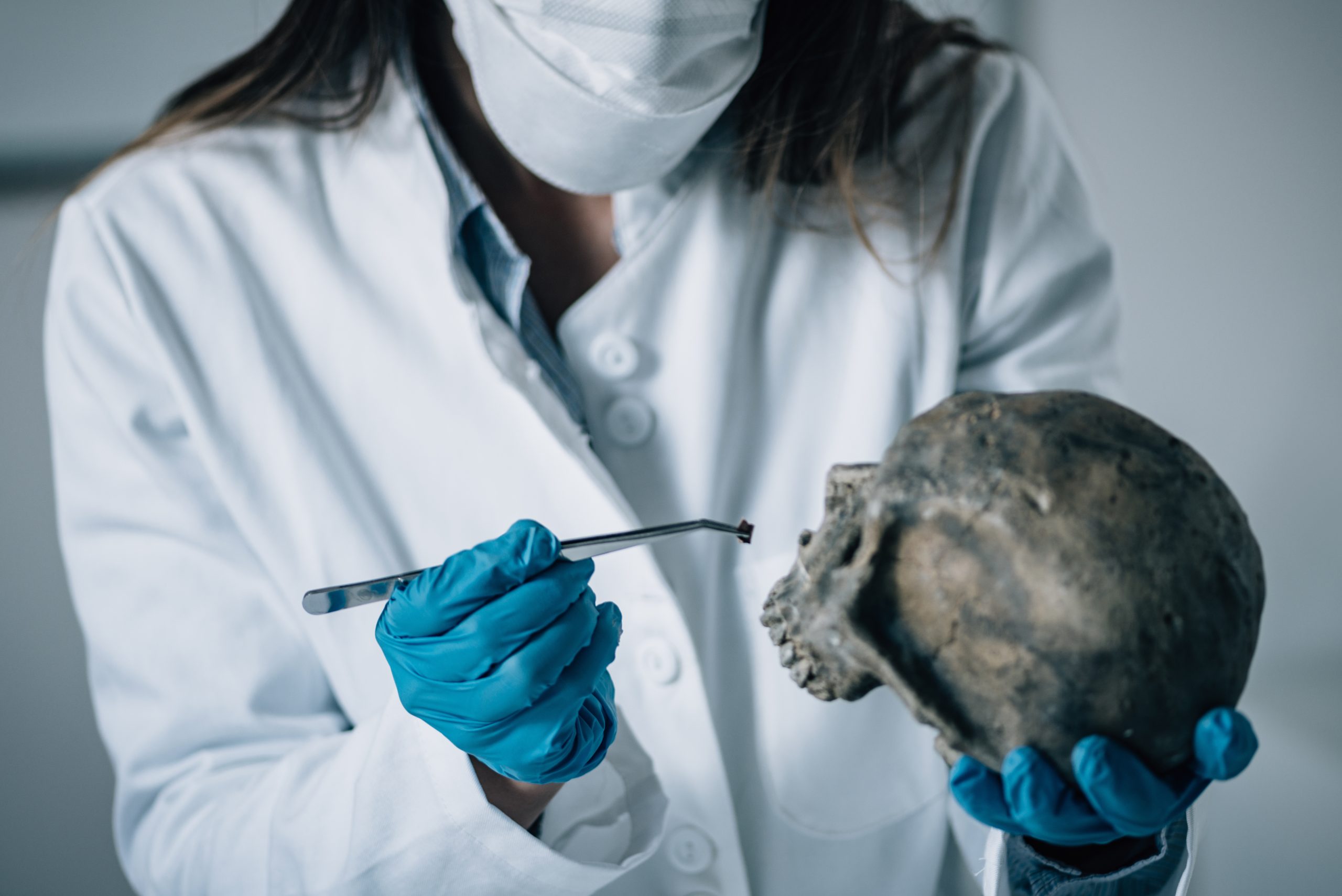
Cracking Cold Cases: Modern Mysteries Solved with DNA
Forensic genetics has revolutionized cold case investigations, breathing new life into cases once deemed unsolvable. It's akin to resurrecting clues thought lost in time.
The Power of DNA Profiling
DNA profiling has fundamentally altered the landscape of solving cold cases. It permits analysis of minute biological traces—be it skin, hair, or bodily fluids—collected from crime scenes.
How it Works: Extracted DNA is used to create a unique genetic profile, exhibiting the individual's distinctive sequences. This profile is compared with existing DNA databases or suspect samples to establish or exclude a suspect's involvement. Even when degradation occurs, advanced techniques can retrieve valuable information.
Real-World Impact: Numerous long-unsolved cases have seen breakthroughs thanks to this technique, delivering long-awaited justice and closure to affected families. Forensic genetics identifies suspects and even helps uncover unidentified victims, turning the tide in cold case resolutions.
Advanced Sequencing Technologies
Beyond traditional DNA profiling, advanced sequencing technologies, such as next-generation sequencing (NGS), have expanded possibilities.
Deeper Analysis: NGS offers comprehensive analysis of the genome, beneficial for evaluating complex DNA mixtures or handling degraded samples that arise from older crime scenes.
Improved Accuracy: The exceptional precision of NGS improves genetic data interpretation, essential for tackling historical crimes and solving forensic puzzles.
Familial Searching and Genealogy Databases
A newer approach involves familial searching within DNA databases to pinpoint relatives of a suspect.
Expanding the Search: Detectives can venture beyond databases to identify a suspect’s family members, providing fresh leads in complex investigations.
Genealogy Databases: Crime scene DNA compared with genealogy databases offers extensive avenues for tracking family trees to narrow suspect lists. This technique has significantly bolstered forensic identification accuracy.
AI-Assisted Interpretation
Interpreting intricate DNA data may sometimes prove challenging, but artificial intelligence offers potent solutions.
Enhanced Efficiency: AI algorithms interpret vast datasets swiftly, detecting patterns potentially overlooked by human insight, thus accelerating case resolution.
Solving Mysteries: AI's heightened sensitivity and pattern recognition aid in deciphering complex scenarios, facilitating breakthrough solutions to persistent mysteries.
Identifying Human Remains
Forensic genetics plays a pivotal role in identifying human remains, particularly valuable for cold cases involving unrecognized victims.
Bringing Closure: By extracting and scrutinizing genetic material, forensic scientists verify identities, providing answers to grieving families seeking closure after years of uncertainty.
Essential Tool: The viability of forensic genetics in identifying human remains underscores its indispensable role in modern justice systems, primarily in resolving unsolved cases.
Bridging Ancestry and Criminal Justice
Forensic genetics not only serves criminal identification but also enhances investigative methods through ancestry tracing, painting a broader picture of suspects.
The Shift from Mugshots to Molecules
Gone are the days when mugshots were central to investigations; molecular evidence now anchors modern detective work.
Visual to Molecular Identification: Where human error marred visual identification reliability, DNA evidence now offers irrefutable, objective support to investigations. Mismatches or database searches based on genetic clues replace eyewitness dependence, ushering in accuracy and clarity.
AI and VR: Enhancing Forensic Accuracy
As AI and VR meld with forensic genetics, their combination enriches our investigative capacity.
AI-Powered Tools: AI accelerates data analysis in complex genetic cases, swiftly identifying significant markers and reducing the time needed to secure leads.
Virtual Reality Crime Scenes: VR offers immersive crime scene reconstructions, allowing investigators to observe, interact, and contextualize scenes effectively, leading to well-informed case-building.
Genetic Age Estimation and Novel Techniques
Emerging tools improve forensic capabilities, such as age estimation through DNA and enhanced gunshot residue detection.
Genetic Age Estimation: Accurately deriving a suspect's age from genetic material narrows suspect lists, enhancing case focus.
Gunshot Residue Detection: Improved techniques empower detectives with reliable evidence in firearm-related crimes, enhancing the strength of investigations.
The Ethical Dilemma: Privacy in Molecular Evidence
While the advancements in forensic genetics bring substantial benefits, they also spur crucial discussions on privacy and ethics.
The Expanding Reach of DNA Databases
DNA databases intended for repeat offender tracking have grown significantly, raising critical ethical questions.
Expansion Concerns: Growing databases now include DNA from unconvicted individuals, challenging the presumption of innocence fundamental in justice systems. Familial searching compounds these concerns, potentially implicating family members innocently.
Data Security and Unauthorized Access
With genetic data security paramount, protecting it from wrongful access becomes a crucial aspect of operations.
Security Measures: Cybersecurity breaches could expose sensitive genetic data to misuse. Therefore, stringent protocols and defensive measures are necessary to safeguard databases from potential intrusion.
The Potential for Genetic Surveillance
The sophistication of genetic tools brings the risk of surveillance misuse and discrimination threats.
Protective Legislation Needed: The potential for overextended surveillance tasks, coupled with accessibility to genealogy databases, highlights the necessity for vigilant policy-making and oversight.
Transparency and Regulation
Transparency, regulations, and clear guidelines are vital in addressing ethical challenges in forensic genetics.
Guidelines and Oversight: Policies must clearly define conditions for DNA data collection, usage, and distribution while ensuring individuals have access rights to their genetic data narrative.
Balancing Security and Privacy
Achieving equilibrium between forensic strength and civil liberty respect presents a nuanced challenge.
Public Engagement: Open dialogues on the ethical facets of forensic genetics ensure inclusive participation, guiding ethical standards to balance crime-solving effectiveness with privacy.
Real-life CSI: Uncovering the Power of Gene Technology
Forensic genetics, a crucial pillar in modern criminal justice, continues to unravel mysteries through the application of advanced genetic principles to legal proceedings.
The Building Blocks of Identification
At its foundation, this field engages in biological scrutiny at the DNA level to uniquely identify individuals.
DNA Fingerprinting: Leveraged for accuracy, DNA profiling relies on variable DNA segments, Short Tandem Repeats (STRs), which provide unique genetic patterns matching individuals to crime scene evidence.
Advanced Techniques and Tools
The dynamic nature of forensic genetics invites continual technological integration.
VR Crime Scene Simulations: By recreating crime scenes in VR, investigators understand better observational contexts, benefiting their investigative strategies.
AI for Data Analysis: AI enhances data processing efficiencies, supporting more profound insights into genetic investigation intricacies.
Addressing Accuracy and Limitations
DNA analysis, while instrumental, faces limitations in practical application.
Quality Control Measures: Ensuring DNA sample integrity and robust methodologies effectively defend against contamination and human errors, maximizing analysis reliability.
Scientific rigor and advancements ensure forensic genetics continues evolving robustly, supporting the justice system in remarkably impactful ways.
Question and Answer
-
What role does forensic genetics play in criminal identification?
Forensic genetics is pivotal in criminal identification as it allows for the analysis of DNA samples collected from crime scenes. This analysis can link individuals to crimes with high accuracy. By creating unique DNA profiles, forensic scientists can match these to suspects or existing genetic databases, thereby identifying individuals involved in criminal activities. This method surpasses traditional identification techniques, offering greater precision and reliability.
-
How do genetic databases assist in solving crimes?
Genetic databases store DNA profiles that can be used to identify suspects in criminal investigations. When a DNA sample from a crime scene is analyzed, it can be compared against these databases to find matches. This is particularly useful in cases where the suspect is unknown. Additionally, familial searching within these databases can identify relatives of potential suspects, providing crucial leads in investigations. The expansion and use of these databases have significantly increased the ability to solve cold cases and ongoing investigations.
-
What are the ethical concerns associated with the use of forensic genetics in crime solving?
The use of forensic genetics in crime solving raises several ethical concerns, primarily related to privacy and data security. The collection and storage of DNA data can lead to potential misuse, unauthorized access, and privacy breaches. There is also the risk of genetic discrimination and the potential for genetic surveillance, which could infringe on individual freedoms. To mitigate these risks, it is essential to implement robust regulations, ensure transparency, and maintain stringent data security measures.
-
How can ancestry tracing be used in forensic investigations?
Ancestry tracing in forensic investigations involves analyzing genetic markers to estimate a suspect’s biogeographical origins. This information can narrow down investigative leads by focusing on specific demographic groups when a suspect's identity is unknown. Although ancestry estimation is not definitive, it can complement other evidence in building a profile of potential suspects. This method helps direct investigative resources more efficiently, especially in complex or cold cases.
-
In what ways has DNA profiling improved the accuracy of criminal justice?
DNA profiling has greatly enhanced the accuracy of the criminal justice system by providing a reliable method for identifying or excluding suspects. This technique minimizes the reliance on potentially flawed eyewitness testimonies and circumstantial evidence. The precision of DNA profiling means that it can conclusively link individuals to crime scenes or prove their innocence. This scientific approach has not only increased conviction rates but also helped exonerate wrongfully convicted individuals, thus improving the overall integrity of the justice system.