The Data Wizards: How Computing Deciphers Life's Code
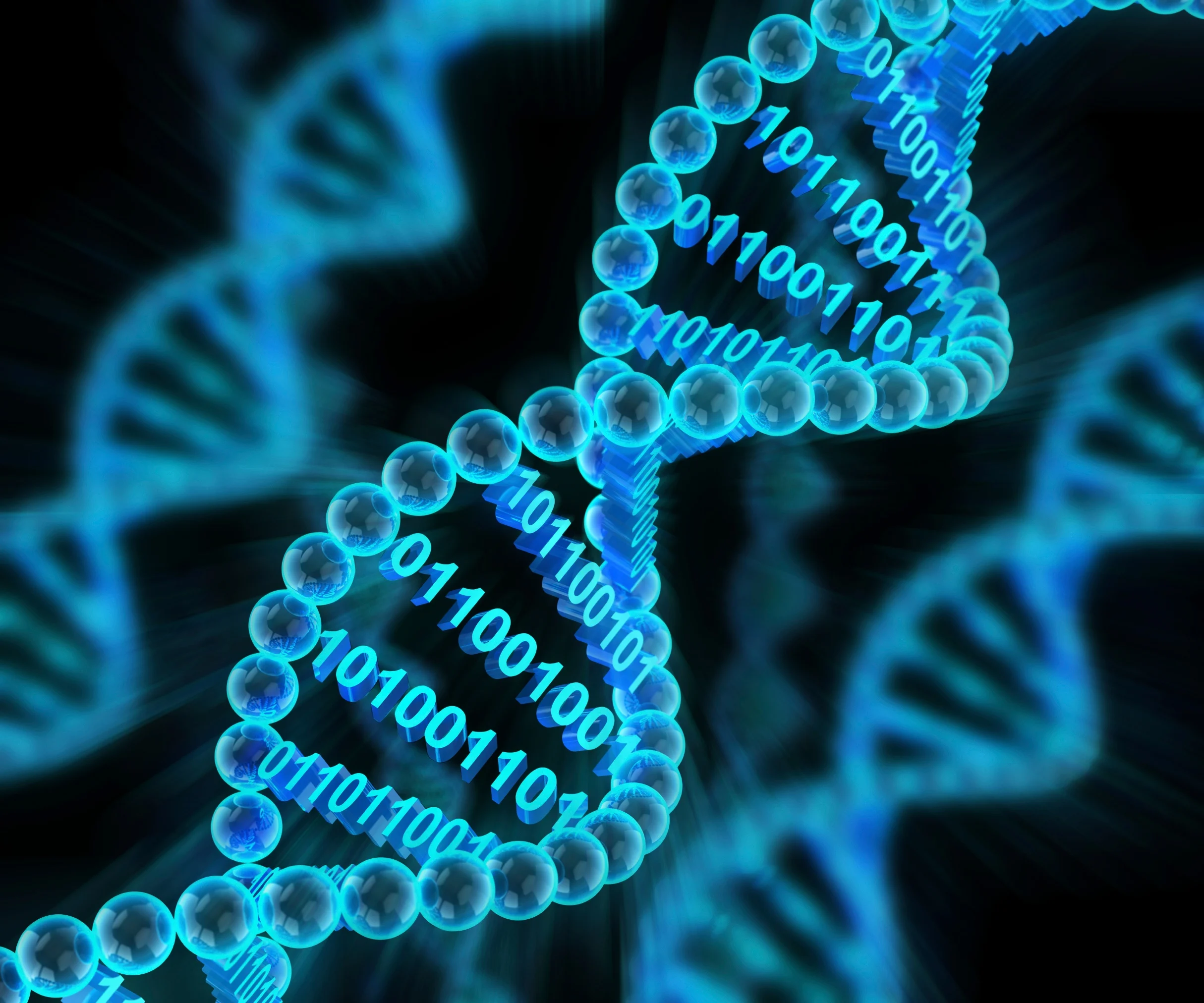
Bioinformatics is a dynamic force in contemporary science, bridging the gap between biological mysteries and computational logic. It serves as a translator, converting the complex languages of genes and proteins into a computational dialect that reveals hidden biological insights. The field's influence is ever-growing, especially as we delve into seas of biological data generated from labs worldwide.
Taming the Data Deluge
Every second, new biological data streams in from genome sequencing, protein structure studies, and metabolic pathway analyses. This information overload calls for robust techniques to manage and interpret it. Bioinformatics tools are indispensable in this journey; they organize, analyze, and distill vast datasets into accessible insights. Without these tools, we'd be lost in a swirl of disjointed data, unable to extract meaningful narratives. In managing this deluge, bioinformatics indeed performs a modern form of wizardry.
From Sequences to Stories
DNA sequences are essentially strings of letters encoding life's instructions, but deciphering these strings uncovers life's intricate tales. With bioinformatics, scientists interpret these narratives, pinpointing genes and predicting the proteins they encode. This leads to understanding biological functions and interactions, akin to unraveling a novel from a sequence of letters. These interpretations fuel advancements in understanding human biology and disease.
The Power of Prediction
Bioinformatics extends beyond mere analysis—it anticipates future biological events. Predicting how proteins may react to drugs or model disease spread in populations exemplifies its forward-thinking capabilities. These predictive insights not only aid in treatment development and outbreak prevention but transform bioinformatics into a proactive science, preempting issues before they arise.
From Petri Dish to Algorithm: Transforming Research with AI
As biological research evolves, it increasingly incorporates artificial intelligence to complement traditional methods. This blend of AI with biology symbolizes a leap forward, where traditional experimentations are enhanced by computational prowess, leading to a reimagined landscape in disease diagnosis and drug discovery.
AI in Disease Diagnosis
AI is transforming diagnosis procedures, helping doctors detect diseases like cancer more precisely than ever. By interpreting complex images, such as mammograms, AI can identify nuances that might escape human eyes, ensuring earlier diagnosis and reduced false positives. This not only enhances detection accuracy but also refines treatment strategies by integrating genomic data, thus personalizing medical care.
AI for Drug Discovery
The grueling process of drug development becomes dramatically enhanced with AI technologies. AI allows simulations that predict drug/body interactions, hastening the discovery pipeline and reducing reliance on traditional lab experiments. Scientists can now trial candidate drugs virtually, using digital "twin" replicas of biological systems, saving time and resources in real-world labs.
AI and the Future of Clinical Trials
Clinical trials, critical for validating new treatments, are becoming more efficient with AI assistance. By predicting patient responses to treatments, AI streamlines trial design, optimizing costs and durations. Additionally, AI-driven analytics during trials ensure safer and more effective medicaments reach patients faster, knitting experimental research into a fabric of computational precision.
From Experimental Data to Computational Insights
AI flips raw experimental data into actionable insights, leveraging extensive datasets to discern patterns invisible to human analysts. Be it genomic data or medical imagery, AI spotlights correlations and relationships that inform medical breakthroughs, exemplifying the transition from data points to meaningful conclusions.
Addressing Ethical Considerations
Integrating AI into biology demands ethical oversight—ensuring transparency, privacy, and fairness in algorithms. This ethical vigilance is crucial in navigating AI's potent capabilities responsibly, ensuring advancements don't outpace our moral and ethical frameworks in scientific endeavors.
Bridging Biology and Tech: A New Era of Discovery
Biology's continuous evolution necessitates innovative technologies for comprehensive data interpretation. With bioinformatics and machine learning, we unlock biological mysteries buried within genetic codes, propelling us toward profound scientific revelations.
The Power of Data in Biological Research
Today's biological research resembles a giant puzzle with countless interlocked pieces. Each discovery touches upon genetics, proteomics, or another biological facet. Bioinformatics provides the methods to assemble this puzzle, allowing us to transcend beyond single data points to recognize expansive biological networks.
Machine Learning: A Biologist's New Best Friend
Biologists gain new allies in machine learning algorithms, which excel in recognizing data patterns and making precise predictions. From protein structure modeling to personalizing patient medicine, these algorithms become invaluable tools, offering clarity in the labyrinth of biological data.
Examples of Bioinformatics in Action
Bioinformatics and machine learning are reshaping fields such as personalized medicine and drug discovery. By comparing genetic information against broad databases, bioinformatics helps tailor medications, advancing individual patient care. The same computational tools identify potential new drugs efficiently, showcasing bioinformatics' vital role in optimizing healthcare solutions.
Real-World Wonders: Practical Breakthroughs in Modern Science
Bioinformatics transcends theoretical calculations, offering practical solutions across medicine, agriculture, and beyond, revolutionizing real-world scenarios and demonstrating its applicability in everyday life.
Automated Image Analysis for Personalized Medicine
In personalized medicine, bioinformatics shines by customizing therapeutic strategies to one's genetic and health profile. Utilizing sophisticated algorithms like convolutional neural networks, scientists conduct detailed analyses of organoid images, revealing treatment pathways for diseases like cystic fibrosis. Such dye-free assessments enhance the precision of personalized health interventions.
Predicting Disease Risk with Genetic Data
Bioinformatics unravels genetic predispositions to diseases, like heart disease or cancer, through advanced computational methods. Techniques such as SSLPRS offer nuanced insights into genetic influences on disease by examining subtle genetic variants, guiding early intervention strategies for at-risk individuals based on their unique genetic profiles.
Enhancing Cancer Diagnosis with AI
In cancer treatment, bioinformatics and AI forge powerful tools for early detection and classification. AI's efficacy in analyzing lung images to identify early-stage tumors exemplifies its transformative potential, aiding in the swift, accurate diagnosis and treatment planning, improving patient outcomes significantly.
Overall, bioinformatics empowered by machine learning marks a pivotal era in scientific exploration and medical innovation, bridging biological complexities with technological prowess for humanity's benefit.
Question and Answer
-
What role does bioinformatics play in protein structure prediction?
Bioinformatics is crucial in protein structure prediction by utilizing computational tools to model the three-dimensional structures of proteins from their amino acid sequences. This process involves algorithms that simulate protein folding, helping to predict the function of proteins and their interactions with other molecules. Accurate protein structure prediction can facilitate drug design and the understanding of disease mechanisms, making it a vital component in modern biological research.
-
How is gene annotation enhanced by bioinformatics technologies?
Gene annotation is significantly enhanced by bioinformatics through the use of algorithms and databases to identify and map genes within a genome. Bioinformatics tools can predict gene functions, locate regulatory elements, and compare gene sequences across different organisms. This process not only helps in understanding gene regulation and expression but also in identifying genetic variations that may contribute to diseases, thus accelerating research in genomics and personalized medicine.
-
In what ways does big data impact bioinformatics and biological research?
Big data profoundly impacts bioinformatics by providing extensive datasets that require sophisticated analysis methods. The integration of big data allows researchers to uncover patterns and correlations in genomic sequences, protein structures, and phenotypic data that were previously unattainable. Bioinformatics leverages machine learning and statistical tools to manage and interpret these vast datasets, leading to insights in evolutionary biology, disease mechanisms, and the development of targeted therapies.
-
How does computational genomics contribute to understanding complex biological systems?
Computational genomics contributes to understanding complex biological systems by applying mathematical models and computational techniques to analyze genomic data. It enables the study of genetic variations, gene interactions, and the effects of environmental factors on gene expression. This approach helps in constructing comprehensive maps of genetic networks and pathways, providing insights into how these systems operate and how they can be manipulated for therapeutic purposes.
-
What are the applications of machine learning in sequence alignment?
Machine learning enhances sequence alignment by improving the accuracy and efficiency of aligning DNA, RNA, or protein sequences. Machine learning algorithms can learn from existing sequence alignments to predict the most probable alignments for new sequences, handling large-scale datasets with high precision. This is particularly useful in identifying evolutionary relationships, functional genomics, and in the annotation of new sequences, thereby advancing research in molecular biology and genetics.