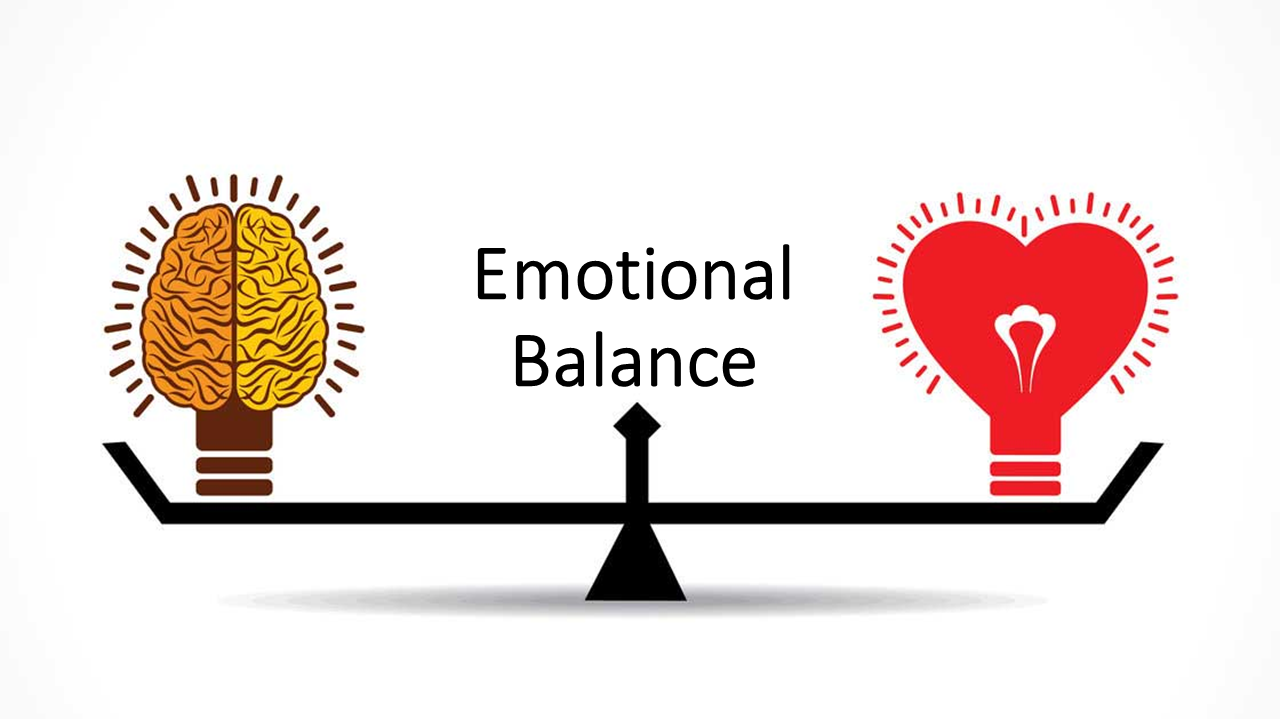
Unlocking Emotional Insight: The Science Behind Self Reflection
Understanding one's own emotions is the cornerstone of emotional balance. Through self-reflection, people can observe their inner world and use this awareness to navigate through life's emotional tides.
Recognizing Emotional Patterns
Identifying emotional patterns is akin to recognizing a fingerprint — each emotion has its distinct triggers, physical sensations, and thought patterns. This awareness allows individuals to manage emotional responses more effectively. For instance, if feelings of anxiety are associated with particular situations, one can predict and prepare for them, thereby minimizing their impact.
Observing your thought patterns can reveal common themes that provoke particular emotional reactions. Negative self-talk or physical sensations like a racing heart can be indicators of underlying anxiety or stress. By mapping these emotions, we create a clearer picture of our emotional landscape, which is crucial for maintaining harmony and balance.
Understanding Emotional Triggers
Recognizing what prompts emotional reactions is essential for achieving emotional balance. Whether it's criticism or a tense conversation, understanding triggers helps individuals anticipate emotional responses and devise healthier coping mechanisms. For example, preparing for potential stressors before a family gathering can significantly reduce feelings of inadequacy, allowing for a more composed and balanced emotional experience.
The Power of Mindfulness
Mindfulness serves as a tool that allows for non-judgmental observation of emotions. Through techniques such as mindful breathing, individuals can distance themselves from overwhelming emotions, enabling more conscious and deliberate responses. Rather than reacting impulsively with anger or frustration, mindfulness offers a moment of pause that fortifies emotional resilience.
AI as a Mirror for the Mind
Technology, particularly AI, offers new and innovative ways to assist in self-reflection. With AI-powered chatbots and journaling apps, users can gain insight into their emotions. These digital tools provide structured prompts and feedback, encouraging deeper exploration of one's emotional state. While AI art may even offer visual representations of emotions, it serves more as a complement rather than a substitute for human introspection.
Embodied Self-Reflection
Encouraging both thought and physical movement catalyzes a deeper understanding of emotions. Through practices like dance or movement therapy, individuals can connect with emotions not readily accessible. This holistic approach integrates mental and physical awareness, further promoting emotional balance and self-awareness by allowing individuals to express emotions in a dynamic and transformative manner.
Breaking the Cycle: Techniques to Transform Anxiety into Opportunities
Turning anxiety into pathways for growth necessitates an understanding of its causes and developing strategies that empower emotional well-being.
Understanding Your Anxiety
Understanding the facets of anxiety is vital for managing it effectively. Identifying the contexts and thoughts that trigger anxiety can clarify what fuels these feelings. Journaling is a useful tool for pattern recognition, granting insight into the times and circumstances when anxiety is most prevalent. Observing thought patterns enables individuals to challenge counterproductive ideas and reframe their mindset towards positivity and growth.
Practical Techniques for Immediate Relief
Coping mechanisms that provide immediate relief from anxiety can greatly alleviate stress. Techniques such as grounding, where one focuses on sensory experiences, help recenter the mind. Breathwork exercises stabilize the nervous system and are easily accessible, while progressive muscle relaxation can dissipate physical tension and evoke calmness.
Reframing Anxious Thoughts
Transforming anxious thoughts involves acknowledging and restructuring them into positive perspectives. This cognitive adjustment allows for healthier interpretations of challenging situations and encourages a mindset oriented toward potential and growth.
Building Resilience and Emotional Regulation
Resilience is nurtured through mindfulness meditation and self-care, both of which solidify emotional foundations. Beyond immediate corrections, establishing a routine that encompasses exercise, balanced nutrition, and sleep enhances emotional regulation. These lifestyle choices fortify the spirit and prepare individuals to meet anxiety with guided composure.
Seeking Support
An essential step for many is to seek support from social networks or professionals. Sharing experiences with friends, family, or therapists can provide validation and clarity. Professional therapy, including Cognitive Behavioral Therapy (CBT), offers tailored guidance and support, while technology-enhanced cognitive tools supplement traditional care from accredited practitioners.
The Empathy Connection: Building Bridges in Human Interaction
Empathy transforms interactions by fostering understanding and connection, essential for building supportive and enduring relationships.
Empathy and Emotional Intelligence
Emotional intelligence underpins empathy by enabling individuals to understand and respond empathically to others. This skill is fundamental in reading subtle cues and offering appropriate emotional support, enriching personal and professional relationships.
Emotionally intelligent individuals can effectively navigate interpersonal dynamics through recognition and regulation of their own emotions and those of others, enhancing relationship satisfaction and stability.
The Cyclical Nature of Empathy
Empathy creates a positive feedback loop that strengthens bonds between people. When expressed, empathy encourages reciprocal understanding, facilitating smoother, conflict-free relationships. However, its absence can intensify misunderstandings and conflict, nullifying the communicative benefits empathy provides.
The Limits of Artificial Empathy
While AI offers tools for managing emotions, it falls short when replicating human empathy's warmth and depth. Genuine connective empathy requires human elements of warmth and genuine presence, enabling sincere emotional exchanges absent in digital substitutes.
Empathy in Therapeutic Settings
Human empathetic response is irreplaceable in therapeutic environments where emotional attunement fosters healing and growth. Therapists utilize empathy to connect with clients, creating trust and emotional safety crucial for therapy's success.
From Overwhelmed to Empowered: Strategies for Managing Stress
Effectively managing stress involves developing strategies that shift experiences from overwhelming to empowering, emphasizing emotional strength and resilience.
Quick Techniques for Immediate Relief
Calming techniques such as the 4-7-8 breathing method quickly stabilize the nervous system. Additionally, incorporating mindfulness exercises into daily routines resets focus and improves stress management.
The Science Behind Calming Your Nervous System
Polyvagal theory explores how managing our nervous pathways impacts stress responses. Tools such as co-regulation, or finding comfort in social connection, and grounding exercises enhance personal calm and mitigate overwhelming stress responses.
Long-Term Strategies for Building Resilience
Building resilience requires embracing psychological flexibility and maintaining healthy habits that anchor emotional stability. By accepting challenges and adhering to core values, individuals build the flexibility required to enjoy lasting emotional balance.
In times of need, professional support offers direction and structure, ensuring access to emotional resources that uphold resilience and promote stress management through informed guidance.
Cultivating Positivity: Nurturing a Healthier Mindset
Encouraging positivity fortifies emotional balance, ensuring an optimistic outlook fosters resilience and nurtures a fulfilling life.
Realigning Your Mindset Through Cognitive Drills
Cognitive drills, such as affirmation exercises, cultivate a positive mindset by challenging limiting beliefs and reinforcing constructive thoughts. This mental cultivation contributes significantly to a healthier, more balanced mental state.
The Power of Relationships and Rituals
Fostering positive relationships and engaging in personal rituals builds emotional resilience. Establishing connection anchors and trusting communication nurtures emotional well-being, sustaining a balanced mindset through personal engagements.
Embracing Psychological Flexibility
Psychological flexibility is key in adapting to life's challenges, allowing individuals to maintain balance through acceptance and commitment practices that realign focus according to valued priorities.
The Foundation of Self-Care
Implementing self-care practices, including proper nutrition and stress management, is essential for maintaining mental health. Self-care underpins resilience and positivity, enriching both mind and overall life experience.
Transforming Negative Narratives
Countering negative narratives through therapeutic avenues like talk therapy fosters self-awareness and emotional growth. Transforming persistent critiques into positive affirmations enhances emotional balance, supporting a healthier, resilient mindset.
Question and Answer
-
What role does self-awareness play in mood regulation?
Self-awareness is crucial in mood regulation as it allows individuals to recognize their emotional states and understand the triggers behind them. By being aware of their emotions, people can identify patterns and situations that lead to certain moods. This understanding enables them to develop strategies to manage their emotions more effectively. For instance, if someone realizes that they often feel anxious in crowded places, they can prepare themselves by practicing calming techniques before entering such environments, thereby maintaining emotional balance.
-
How can anxiety reduction techniques contribute to stress management?
Anxiety reduction techniques, such as deep breathing exercises, mindfulness, and progressive muscle relaxation, play a significant role in stress management. These techniques help calm the nervous system, reduce physical symptoms of anxiety, and bring the focus back to the present moment. By regularly practicing these methods, individuals can decrease overall stress levels and enhance their ability to cope with stressful situations. This proactive approach to managing anxiety not only alleviates immediate stress but also builds resilience against future stressors.
-
In what ways does empathy growth benefit personal relationships?
Empathy growth enriches personal relationships by enhancing emotional intelligence and fostering deeper connections. When individuals develop empathy, they become better at understanding and responding to the emotions of others, leading to more effective communication and conflict resolution. Empathetic interactions encourage mutual respect and trust, which are foundational for strong, supportive relationships. Moreover, the reciprocation of empathy creates a positive feedback loop, improving overall relationship satisfaction and emotional well-being.
-
What strategies can be employed to cultivate a positive mindset?
Cultivating a positive mindset involves several strategies, including cognitive restructuring, gratitude practices, and nurturing supportive relationships. Cognitive restructuring helps individuals challenge and change negative thought patterns into more balanced and constructive ones. Regularly practicing gratitude by acknowledging and appreciating positive aspects of life can shift focus away from negativity. Additionally, surrounding oneself with supportive people and engaging in activities that bring joy and fulfillment can significantly enhance a positive outlook on life.
-
How does self-awareness contribute to effective stress management?
Self-awareness aids effective stress management by allowing individuals to recognize stress triggers and their responses to them. By understanding the sources of stress, individuals can develop personalized coping strategies that address their unique needs. This may include prioritizing self-care, setting boundaries, or engaging in activities that promote relaxation. Enhanced self-awareness also helps individuals monitor their stress levels, enabling timely interventions to prevent burnout and maintain emotional health.