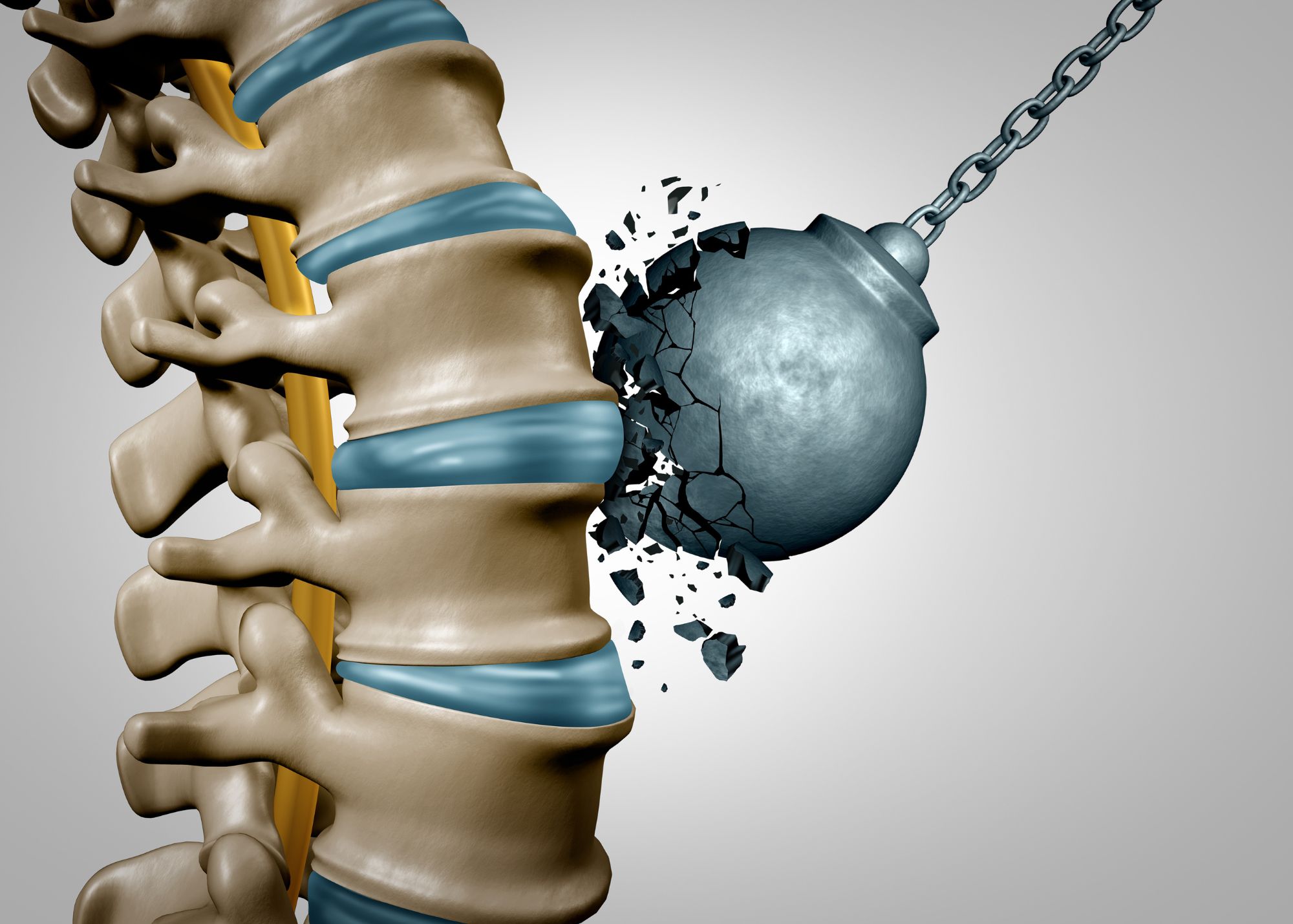
Balancing Nutrition: The Secret to Stronger Bones
Nutrition is an undeniable pillar in maintaining bone health. It's no longer just about consuming calcium tablets; a holistic approach involving various nutrients is essential to ensure our bones' longevity and strength.
The Calcium and Vitamin D Synergy
Calcium is often the first thing that comes to mind when we talk about bones, but it's only part of the narrative. For calcium to adequately benefit the skeletal system, vitamin D levels need to be optimal as well. This dynamic duo plays a crucial role in bone density and strength.
-
Calcium in the Diet: Dairy products are the classic go-tos for calcium, yet don't overlook leafy greens, almonds, and fortified alternatives like plant-based milks and cereals. These help diversify intake sources and enhance absorption rates.
-
Embracing Vitamin D: Direct exposure to sunlight facilitates vitamin D synthesis, yet factors like geographical location or lifestyle can limit this. Fatty fish, egg yolks, and fortified products serve as dietary sources to ensure sufficient levels.
Vitamin D functions like a foreman at a construction site, delegating calcium placement in the bones. Without it, even a calcium-rich diet falls short. Ensuring a balanced intake of both creates a formidable partnership for bone health.
More Than Just Calcium and Vitamin D
Protein, often hailed for its muscular benefits, is pivotal for bone health as well. It aids in bone structure and repair, underscoring the need for adequate amounts in one's diet.
-
Protein Sources: Incorporate a variety of sources like lean meats, fish, legumes, nuts, and dairy to cover all essential amino acids crucial for maintaining bone integrity.
-
Other Vital Nutrients: Magnesium and Vitamin K, though less spotlighted, assist calcium absorption and bone mineralization. Foods like nuts, seeds, and leafy greens are excellent sources.
The concurrent intake of these nutrients, combined with lifestyle habits, can significantly fortify bone health, setting the foundation for a resilient skeletal framework.
Move Right: How Strategic Posture Boosts Bone Health
Our posture plays a crucial role in maintaining healthy and robust bones. It’s amazing how simple realignments can prevent long-term issues and enhance bone resilience.
The Impact of Alignment
Proper body alignment isn't just about aesthetics; it's fundamental for functional and healthy bones. Our bones adapt to the pressures we apply, and ensuring they're evenly distributed is key to preventing wear and tear, especially as we age.
-
Correct Posture Benefits: Aligning the spine and keeping joints in their optimal positions helps distribute mechanical load, fostering continuous bone remodeling and strengthening.
-
Daily Posture Adjustments: Small tweaks like sitting with feet flat, avoiding slouching, and keeping a neutral spine can have long-term benefits. These everyday practices help minimize stress and maximize bone strength.
The Role of Weight-Bearing Exercises
Engaging in weight-bearing activities, like walking or dancing, is integral to enhancing bone strength, especially when paired with good posture.
-
Increased Bone Density: These exercises cause bones to become denser and stronger, providing practical stimulus against conditions like osteoporosis.
-
Combining with Posture: Emphasizing posture during these exercises magnifies their benefits, targeting bone density improvements particularly in vulnerable areas like hips and spine.
Maintaining an upright posture during day-to-day activities, as well as during exercise, can significantly support bone health—each stride can contribute to a robust skeletal structure.
Age-Defying Bone Strength: Harnessing Flexibility and Movement
Integrating flexibility exercises with movement can enhance bone health dramatically, providing synergy for overall stability and injury prevention.
Flexibility and Its Unseen Benefits
Flexibility often gets sidelined when discussing bone health, yet it plays a vital role in maintaining balance and preventing falls that could lead to fractures.
-
Importance of Flexibility Workouts: Practices like yoga or stretching aid in enhancing range of motion, thus safeguarding against accidental strain or excessive force on bones.
-
Improved Stability and Balance: Flexibility training complements bone strength, ensuring that while bones are supporting the body, the muscles are adept in maintaining smooth, coordinated movements.
These types of exercises, when coupled with strength routines, build a comprehensive approach to fostering bone health.
Integrating Strength and Flexibility
Finding the right exercise balance involves incorporating both weight-bearing and flexibility exercises regularly.
-
Exercise Combinations: A mix of walking, resistance training, and flexibility workouts, like tai chi or pilates, offers an all-encompassing approach to keep your bones healthy.
-
Everyday Movements Matter: Something as simple as opting for stairs or even standing desk breaks at work can contribute significantly to bone health.
Incorporating these practices helps ensure not only strong bones but also a well-rounded physical capability as you age.
The Concert of Nutrients: A Complete Bone Health Strategy
Building strong bones is akin to composing a symphony—various factors intertwine to create an ideal environment for skeletal health.
The Power of Protein and Beyond
While we think of protein for muscles, it's also indispensable for bones, promoting density and preventing weakness.
-
Protein's Role: Its impact extends beyond muscle maintenance to aiding the skeletal structure, stressing the significance of balanced consumption.
-
Supportive Nutrients: Alongside protein, maintaining adequate magnesium and B12 is also essential to complement calcium’s effects and ensure optimal bone matrix support.
These nutrients combined form a cohesive strategy that feeds and fortifies the bones, making them robust beyond the confines of age-related concerns.
Emerging Awareness in Bone Health
An increasing number of individuals today recognize the critical connection between diet, movement, and bone health longevity. It’s not only about avoiding deficiency but about elevating the skeletal framework to thrive amidst daily challenges.
-
Empowerment Through Nutrition and Lifestyle: Leveraging nutrition and strategic movements in daily life fortifies bones and sets the stage for graceful aging.
-
Focus on Bone and Muscle Synergy: This trend highlights a broader understanding, suggesting that a comprehensive approach is the key to preventing frailties and maintaining a life of freedom and movement.
By embracing these insights, individuals can actively participate in a lifestyle that prioritizes and safeguards their skeletal health for years to come.
Question and Answer
-
What role does calcium intake play in maintaining bone density, and how can one ensure adequate calcium levels?
Calcium is a crucial component in maintaining bone density, as it provides the structural framework that keeps bones strong and prevents them from becoming brittle. To ensure adequate calcium levels, it is important to incorporate a variety of calcium-rich foods into your diet. Dairy products like milk, cheese, and yogurt are excellent sources. For those who are lactose intolerant or prefer plant-based options, leafy greens like kale and fortified foods such as almond milk and cereals can also contribute significantly. Additionally, if dietary sources are insufficient, consulting a healthcare provider about calcium supplements may be beneficial.
-
How does vitamin D affect calcium absorption and bone health, and what are some ways to maintain healthy vitamin D levels?
Vitamin D plays a pivotal role in bone health by aiding in the absorption of calcium in the gut, which is essential for building and maintaining strong bones. Without adequate vitamin D, calcium cannot be effectively absorbed, leading to weakened bones. To maintain healthy vitamin D levels, it is recommended to spend 15-20 minutes in sunlight daily, allowing the skin to naturally produce vitamin D. Including vitamin D-rich foods like fatty fish, egg yolks, and fortified milk in your diet can also help. In regions with limited sunlight, vitamin D supplements may be necessary, especially during the winter months.
-
What is the significance of posture correction in bone health, and how can it prevent bone-related issues?
Correct posture is vital for bone health as it ensures that the forces acting on the bones are evenly distributed, which helps maintain bone strength and integrity. Poor posture can lead to imbalanced mechanical loading on the skeleton, increasing the risk of bone degeneration and fractures. To prevent bone-related issues, practice maintaining a neutral spine while standing, sitting, and during activities. Incorporating exercises that strengthen core muscles can also support proper posture. Regularly practicing good posture habits can significantly reduce the risk of developing osteoporosis and related complications.
-
Why are weight-bearing exercises important for bone health, and what types of exercises are most effective?
Weight-bearing exercises are crucial for bone health as they stimulate bone formation and increase bone density by applying stress to the bones. This stress prompts bones to adapt and become stronger. Effective weight-bearing exercises include activities such as walking, running, dancing, and resistance training with weights. These exercises are particularly beneficial for areas prone to bone loss, such as the hips, spine, and legs. For optimal bone health, it is recommended to engage in these activities regularly, aiming for a mix of moderate and high-impact exercises tailored to individual fitness levels.
-
How does joint flexibility contribute to bone health, and what practices can enhance joint flexibility?
Joint flexibility is essential for bone health as it allows for a full range of motion and reduces the risk of injury by improving balance and coordination. Flexible joints help distribute mechanical forces more evenly across the skeletal system, preventing undue stress on specific areas. Practices such as yoga, pilates, and regular stretching can significantly enhance joint flexibility. These activities not only improve flexibility but also strengthen muscles surrounding the joints, providing better support and stability. Incorporating flexibility exercises into daily routines can promote long-term joint health and contribute to overall bone resilience.