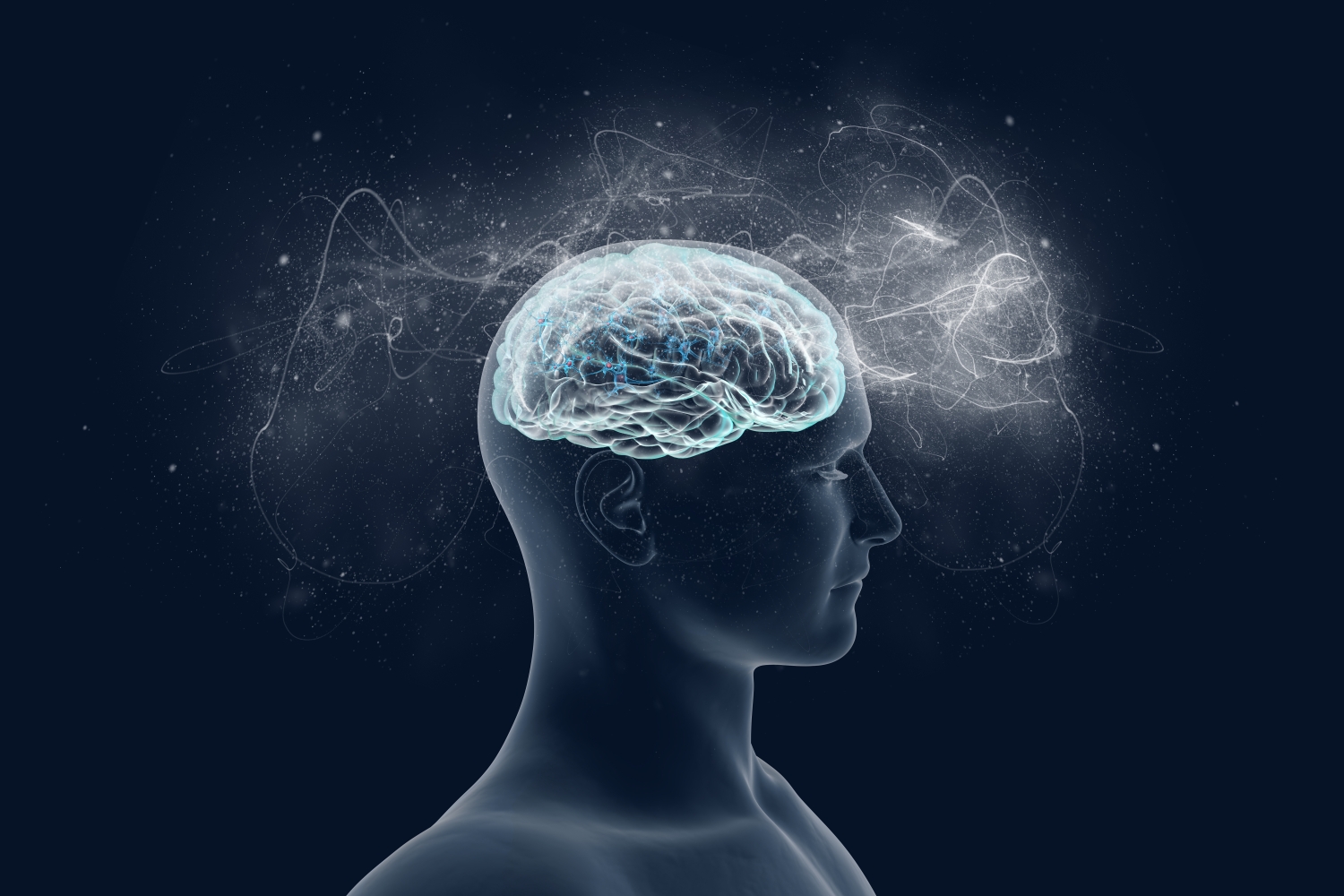
The Silent Symphony: How Emotions Influence Our Thoughts
The Emotional Orchestra in Our Brains
Our brains function as a complex orchestra, where emotions often play the pivotal melody. The amygdala, frequently termed the brain's emotional epicenter, quickly responds to various stimuli by initiating emotional responses. Meanwhile, the prefrontal cortex—the hub of analytical thinking and decision-making—is tasked with regulating these emotional reactions to maintain balance. Imagine emotions as musical notes, with the amygdala as the energetic soloist whose performance may need modulation by the prefrontal cortex to maintain harmony. When emotional responses become overwhelming, the rational interventions of the prefrontal cortex can bring clarity, much like a conductor guiding an orchestra to achieve the perfect balance of sound.
Naming Emotions: A Pathway to Control
Simply articulating an emotion diminishes its grip over us. This process activates the prefrontal cortex, which enhances its regulatory impact over the amygdala. Consider the relief of identifying anxiety before a big presentation: acknowledging "I'm feeling anxious" shifts control toward rational thought, placing the emotion under a mental spotlight. This integrative approach creates harmonious exchanges between the emotional brain and its logical counterpart, mitigating emotional overwhelm and fostering a sense of control. It's a powerful mechanism akin to a navigator setting a calming course amid a turbulent sea.
Decoding Decisions: Navigating the Mind's Maze
The Neural Basis of Choice
Our decision-making process is a fascinating complexity beginning with the brain facilitating an intricate dance among various regions. The prefrontal cortex stands as the brain's "control tower," evaluating options and coordinating actions like a conductor directs an orchestra. When we're faced with choices, from breakfast selections to career moves, different areas of the brain come to the fore. Not only does this involve the prefrontal cortex, but also regions connected to assessing consequences and rewards, each contributing its part to the overall decision-making process. This collaboration of neuronal activity, akin to an orchestra's alignment, results in our capacity to weigh, deliberate, and conclude.
Weighing the Options: Value and Reward
When encountering a decision, the brain instinctively calculates the “reward value” of each potential outcome. Regions like the striatum process these values, shaped by past experiences, desires, and consequences, much like calculating pros and cons. Choosing between a luscious dessert and a nutritious meal initiates an internal debate: immediate gratification against long-term health. Our neural configurations respond, predicting what promises are triumphant or worthwhile. It's a complex calculus of cost and reward, crafting habits and illustrating our brain’s ability to subtly anticipate outcomes.
The Influence of Cognitive Biases
Despite our rational capacities, cognitive biases subtly skew our decisions. These biases emerge from systematic patterns causing deviations from nature or rationality in judgment. Often unconscious, they propel us to err on the side of caution or fall prey to habitual patterns. For instance, the "availability heuristic" can distort our judgment, where we overestimate the risks of accentuated events—such as high-profile accidents—and overlook mundane dangers. Unpacking these cognitive tendencies equips individuals to make deliberate and informed decisions, refining the art of choice by acknowledging subconscious influences.
Exploring Neural Networks: Consciousness and Attention
Modeling the Brain: Artificial Neural Networks
Scientists harness artificial neural networks (ANNs) to simulate the intricate workings of the brain. These models serve as a map to explore cognitive processes, showing how complex decisions emerge from neuron-like interactions. Imagine ANNs as constructing a digital model of the brain’s wiring, a computational replica. These systems may not fully emulate biological intricacies but highlight essential principles, applying interconnections akin to learning and recognizing patterns within our environments—a microcosm mirroring human cognition.
The Seat of Consciousness? A Complex Question
Consciousness remains one of science's grand enigmas, extending beyond mere sensory registration to our awareness of self and surroundings. While certain regions like the prefrontal and parietal cortices play vital roles, the seat of consciousness likely emanates from integrated brain networks rather than a singular node. Consciousness emerges as a collective synthesis of neural dialogues, with brain areas composing a network as diverse as a city in motion, each node contributing to the united perception of awareness—a fascinating puzzle remaining to be pieced together.
Attention: Filtering the World
Our brain’s potential to navigate a world teeming with sensory overload is a testament to its sophisticated attention mechanisms. Through both "bottom-up" and "top-down" processes, the brain selectively filters and prioritizes vital information over distractions. A sudden noise triggers a reflexive (bottom-up) response while concentrating amidst the din taps into directed focus (top-down). It's a delicate dance of engagement, where focusing our attention synthesizes environmental chaos into meaningful segments, utilizing neural pathways ever-vigilant on the conscious canvas.
Brain Imaging Insights: The Dance of Mind and Emotion
Peeking Inside the Brain: fMRI and EEG
Brain imaging technologies revolutionize our understanding of cognitive and emotional processes. Functional magnetic resonance imaging (fMRI) visualizes cerebral blood flow, unraveling active brain regions during specific tasks. Electroencephalography (EEG), on the other hand, captures electrical impulses providing snapshots of neural synchrony. Together, these methods reveal a vivid tapestry of how thoughts and feelings correlate with brain activities—uncovering connections between cognition and emotion akin to deciphering a dynamic, ever-evolving symphony.
Emotions in the Brain: A Networked Response
Emotions are more than feelings; they manifest across a network spanning multiple brain regions. The amygdala alerts us to threats, while the hippocampus creates powerful emotional memories. The prefrontal cortex regulates and refines emotional responses, intertwining these components like instruments collaborating in a symphony. Understanding this network helps map emotional contours, providing insights crucial for managing behaviors and developing therapeutic techniques aimed at emotional regulation and mental health improvement.
Decoding Mental States: Neural Decoding
Innovative algorithms now decode mental states by analyzing brain activity patterns, offering promise in treating neurological disorders. Computers trained to recognize neural signatures corresponding to emotions or intentions pave the path for technologies that effectively interpret thoughts. Although nascent, neural decoding shows potential not only in healthcare but in exploring cognition's depth, driving forward an era where thoughts might be understood directly through the lens of brainwave analysis.
In reflection, the complexity of our cognitive experiences, from emotions to decision-making, from the focus to consciousness, unveils a crucial truth: our brains are intricate symphonies of neural activity. Cognitive neuroscience remains a field of vast possibilities, continually refining our comprehension of human intelligence, emotions, and awareness—unlocking the vast potential therein.
Question and Answer
-
What is the role of brain imaging in understanding cognitive neuroscience?
Brain imaging technologies, such as fMRI and EEG, have significantly advanced our understanding of cognitive neuroscience by allowing researchers to observe the brain's structure and function in real-time. These techniques help identify which brain areas are involved in various cognitive processes like attention, decision-making, and emotion processing. For example, fMRI can reveal how different parts of the brain activate during specific tasks, offering insights into neural networks and how they contribute to conscious experience and cognitive function.
-
How do neural networks contribute to our understanding of consciousness and attention?
Neural networks, both biological and artificial, are crucial for understanding consciousness and attention. In the brain, interconnected neurons form complex networks that process information and support cognitive functions. These networks enable the integration of sensory information, allowing us to focus attention and maintain awareness. Artificial neural networks, inspired by these biological systems, are used to model brain processes and simulate how the brain might achieve consciousness and selective attention. By studying these models, scientists can gain insights into the dynamic interactions that underpin conscious experience.
-
In what ways do emotions influence decision-making processes in the brain?
Emotions play a significant role in decision-making by affecting how we evaluate options and make choices. The amygdala, known for processing emotions like fear and pleasure, interacts with the prefrontal cortex, which is responsible for higher-order thinking and decision-making. This interaction can influence the perceived value of different options and bias our choices based on emotional responses. Understanding this interplay helps researchers develop strategies for improving decision-making by regulating emotional responses.
-
What are the implications of AI in emotion processing and mental health?
Advances in artificial intelligence have opened up new possibilities for emotion processing and mental health. AI systems can analyze facial expressions, speech patterns, and physiological signals to detect emotional states such as anxiety or depression. This capability allows for real-time interventions and support, potentially improving mental health outcomes. AI-driven tools can also be used in therapeutic settings to provide personalized treatment plans, enhancing emotional awareness and promoting well-being.
-
How does cognitive neuroscience address the mechanisms of attention and consciousness?
Cognitive neuroscience explores the mechanisms of attention and consciousness by studying the brain's neural networks and the interactions between different brain regions. Research has shown that consciousness arises from the integrated activity of widespread networks, with regions like the prefrontal and parietal cortices playing key roles. Attention, on the other hand, involves both bottom-up and top-down processes that allow us to focus on relevant stimuli while ignoring distractions. Understanding these mechanisms provides insights into how the brain filters information and maintains a coherent conscious experience.