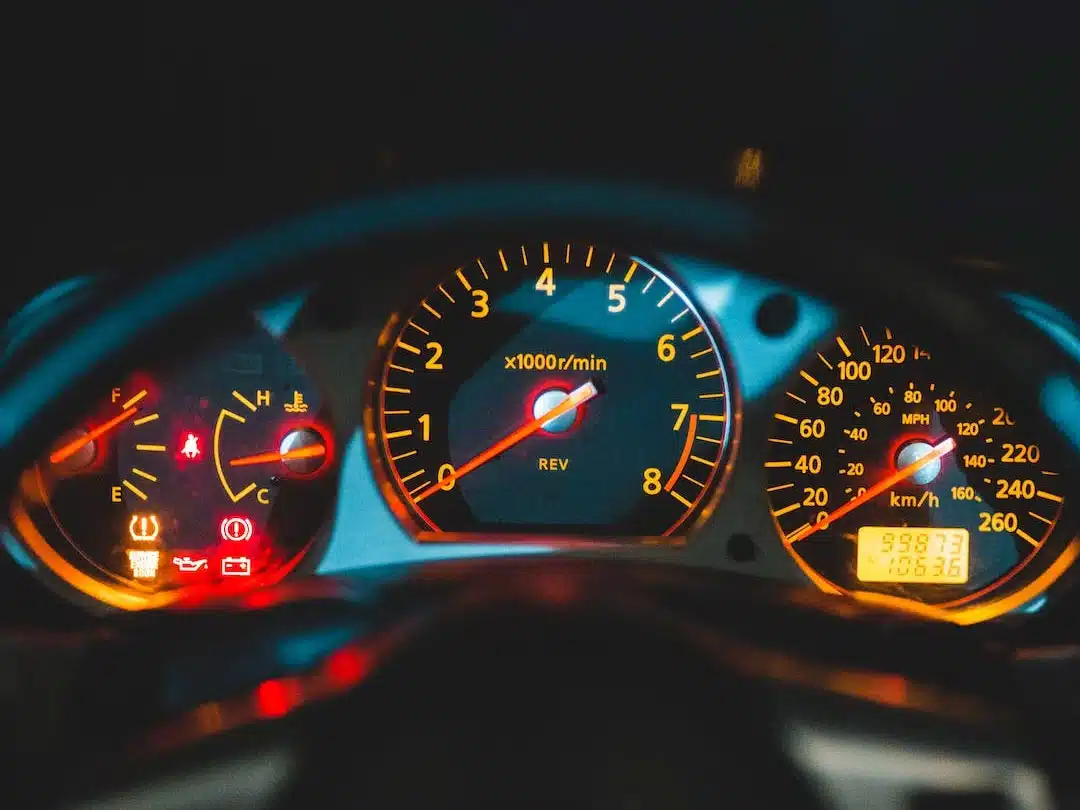
First-Line Defense: How Dashboard Indicators Prevent Bigger Issues
Dashboard warning lights act as an early alert system, designed to flag potential issues and prevent them from growing into significant problems. These critical signals help maintain your vehicle's functionality and, more importantly, ensure your safety on the road.
Preventing Escalating Mechanical and Electrical Issues
The main purpose of dashboard indicators is to catch mechanical and electrical issues early, before they turn into major repairs. Take the battery alert, for instance. A lit-up battery symbol on your dashboard might seem minor, but it indicates a malfunction within the charging system, often due to an alternator failure or issues with the battery itself. By addressing such alerts promptly, you could prevent situations that lead to a breakdown or, in severe cases, electrical fires.
Consider the table below that outlines common warning signs related to the battery alert:
| Dashboard Warning Symbol | Meaning | Typical Causes | Recommended Action | Impact if Ignored |
| Battery Alert | Charging system malfunction | Alternator failure, battery issues, loose wiring | Check battery and alternator; replace or repair as needed | Vehicle may stall, electrical failures, inability to start |
Observing this warning allows for timely maintenance, protecting against far more expensive and dangerous outcomes.
Enhancing Safety Through Early Intervention
Safety-related indicators like the brake system warning are integral to preventing accidents. This warning light can point to issues ranging from low brake fluid to a malfunctioning brake system, such as worn pads or failing anti-lock braking system (ABS). Without timely intervention, these problems significantly increase stopping distances, thereby heightening the risk of accidents. Addressing the alert at its emergence ensures that the vehicle’s braking capacity is fully functional, which is critical for safety.
Real-Time Feedback on Vehicle Health
Dashboard lights deliver immediate feedback on everything from tire pressure to engine efficiency. For example, the tire pressure warning light helps avoid reduced tire life and poor vehicle handling by urging you to maintain optimal tire pressure. This improves fuel efficiency and enhances safety, underscoring the significant role these alerts play in your vehicle's day-to-day functionality.
The following table highlights the importance of addressing tire pressure warnings:
| Dashboard Warning Symbol | Meaning | Typical Causes | Recommended Action | Impact if Ignored |
| Tire Pressure Warning | Tire pressure below recommended level | Puncture, temperature changes, slow leaks | Check and inflate tires to proper pressure; inspect for damage | Reduced tire life, poor handling, increased crash risk |
Ultimately, by treating these signals as an early intervention tool, you can vastly improve your driving safety and vehicle performance.
Proactive Issue Resolution
Taking immediate action in response to dashboard warnings promotes a proactive approach to vehicle care. Rather than waiting for a breakdown, you can manage potential problems as soon as they arise. This reduces repair costs and extends the vehicle's lifespan, culminating in a safer driving experience. Being proactive not only benefits your wallet but also ensures that your vehicle maintains optimal performance at all times.
Drastic Measures: When to Take Warnings Seriously and Act
Understanding the severity of dashboard warnings is critical. Some lights can be safely ignored temporarily, while others require immediate attention to prevent damage or danger.
Understanding the Severity of Warnings
Dashboard lights use color to indicate the urgency of the issue. Red lights typically demand immediate action, while yellow/amber ones suggest caution. Meanwhile, green or blue lights generally indicate that things are functioning as expected. Knowing these distinctions can prevent unnecessary panic or neglect.
For example, the oil pressure warning is a red light that should prompt immediate attention. It signals low oil pressure, which can lead to severe engine damage if ignored. The recommended action involves stopping the engine right away, checking the oil level, and consulting a mechanic if the issue persists. Ignoring this alert can exacerbate the problem, potentially leading to engine failure.
Real-World Examples of Serious Warnings
Vehicle recalls and warnings have underscored the importance of heeding dashboard alerts. Various instances illustrate how ignoring these indicators can lead to severe consequences. For example, improper visibility of dashboard alerts due to software malfunctions has been a cause for concern, as drivers may miss crucial vehicle health information. Addressing these problems through software updates or recalls reaffirms the role of dashboard alerts in maintaining vehicle safety.
When to Pull Over Immediately
Certain dashboard lights require you to pull over immediately. These include indications of brake system malfunction, oil pressure warning, and overheating issues. Continuing to drive under these conditions can severely damage your vehicle or compromise your safety. Handling these alerts with seriousness can prevent further complications and ensure any critical issues are resolved without risking driver or passenger safety.
The Importance of Prompt Action
Ignoring dashboard alerts can escalate small problems into major repairs and compromise vehicle safety. Whether it's a software glitch causing faulty warnings or a genuine vehicle malfunction, prompt attention ensures you maintain control and safety. Make use of these system alerts to prioritize vehicle maintenance, keeping both driver safety and vehicle functionality in line.
Future Visions: Trends in Car Alert Systems and Their Evolution
The future of car dashboard systems promises enhanced safety, personalization, and connectivity, ensuring that drivers are always aware of real-time vehicle health.
Integration with Advanced Driver-Assistance Systems (ADAS)
Modern technology is increasingly integrating dashboard alerts with ADAS, including features like lane departure warning and adaptive cruise control. These systems provide specific guidance to drivers, enhancing safety on the road. For instance, as soon as a lane departure is detected, the integrated dashboard might offer a corrective steering suggestion, demonstrating this system’s proactive role in accident prevention.
AI-Powered Predictive Alerts
Artificial intelligence and machine learning are revolutionizing vehicle diagnostics, providing predictive alerts about potential mechanical failures. By analyzing data from sensors across the vehicle, these systems offer preventive maintenance suggestions before issues become critical, reducing repair costs and enhancing reliability.
Digital Displays and Customizable Alerts
The shift from analog to digital dashboard displays facilitates customizable alerts, presenting information in a more comprehensive and user-friendly manner. Drivers can choose what data to prioritize, enhancing their ability to make informed decisions based on their personal driving habits and concerns.
Enhanced Driver Awareness and Reduced Distraction
Dashboard systems are being designed to enhance driver awareness with minimal distraction. Advanced feedback methods, such as audio or haptic alerts, provide critical information without requiring visual attention, thus maintaining focus on the road.
Connectivity and Real-Time Diagnostics
Connected vehicles, capable of real-time diagnostics and software updates, allow drivers to receive immediate assistance and notifications regarding vehicle health. This connectivity ensures issues are promptly addressed, improving overall vehicle safety and efficiency.
The Role of Material Innovation
Enhanced materials contribute to the durability and efficiency of dashboard systems. These innovations ensure reliable performance of sensors and lights, supporting better alert systems that align with environmental and safety standards. This continuous advancement in materials and technology promises more accurate and reliable systems for future vehicles.
In conclusion, understanding your vehicle’s dashboard alerts is paramount. These systems are designed not only to secure your safety but to prolong the longevity of your vehicle. By staying informed and reacting appropriately, you ensure a safe and smooth driving experience, making the most of the technology built into modern vehicles.
Q&A
-
What does the "Check Engine" warning symbol indicate in a vehicle?
The "Check Engine" warning symbol typically indicates that there is an issue with the vehicle's engine or emissions system. This can range from minor problems, like a loose gas cap, to more serious issues such as a faulty oxygen sensor or catalytic converter. It's advisable to have the vehicle inspected by a professional mechanic to diagnose and resolve the problem.
-
How should you respond if the "Oil Pressure" warning light appears?
If the "Oil Pressure" warning light illuminates, it is crucial to act promptly. This warning indicates that the engine's oil pressure is too low, which could lead to severe engine damage. You should stop the vehicle as soon as it is safe to do so, check the oil level, and add oil if necessary. If the light remains on after adding oil, seek professional assistance immediately.
-
What does the "Battery Alert" indicator mean, and what steps should you take?
The "Battery Alert" indicator suggests that there is an issue with the vehicle's charging system. This could be due to a failing battery, a faulty alternator, or loose/corroded battery connections. It's important to inspect the battery and alternator and ensure all connections are secure. If the problem persists, consult a mechanic to prevent potential breakdowns.
-
How can you address the "Tire Pressure" warning symbol effectively?
The "Tire Pressure" warning symbol signals that one or more tires are under-inflated. To address this, check the tire pressure using a gauge and inflate the tires to the manufacturer's recommended levels, which can usually be found on a sticker inside the driver's door or in the owner's manual. Regularly monitoring tire pressure can improve fuel efficiency and extend tire life.
-
Why are dashboard indicators crucial for vehicle safety and maintenance?
Dashboard indicators are vital for vehicle safety and maintenance as they provide real-time alerts about the vehicle's health and functionality. They help drivers identify and address potential issues before they lead to more significant problems or safety hazards. Understanding these symbols and responding appropriately ensures the vehicle remains in optimal condition and helps prevent costly repairs.