The Art of Balance: Core Strength and Posture
A strong core facilitates maintaining a stable spine, supporting our posture and minimizing stress on the back. Let's explore how enhancing core strength can positively impact alignment and posture.
Understanding Core Muscle Function
Our core comprises various muscle groups, including abdominal muscles, the pelvic floor, and even muscles that stabilize the back. They form a central support system akin to a natural corset. This system keeps your spine aligned and aids in preventing postural abnormalities by distributing body weight evenly during movement and at rest.
Improving core strength is pivotal not just for athletes, but for everyone aiming to enhance bodily awareness and stability. A robust core helps in correcting misalignments that occur during routine activities like sitting in front of a computer or lifting objects incorrectly. Such strengthening helps your body respond better to everyday movements and strenuous activity, reducing the potential for injury.
Building Core Stability
Many people associate a strong core solely with visible 'six-pack' abs, but it's much more inclusive, involving deeper musculature that plays crucial roles in balance and functional movement. Exercises like bridges, planks, and variations thereof are fundamental in developing core stability. They don't require any specialized equipment and can be effortlessly integrated into daily routines.
The bridge exercise, for example, targets the glutes and lower back, reinforcing the muscles that help stabilize the pelvis and lower spine. Planking, famous for its efficiency, concurrently engages a multitude of core muscles by maintaining a stabilizing hold. Such exercises can be gradually progressed for increased duration and complexity as your strength improves, contributing significantly to better posture.
Incorporating Core Exercises into Daily Routines
Fostering core strength shouldn't necessitate extensive gym time. Everyday actions offer ample opportunities for engagement. While working at a desk, drawing your navel toward your spine can activate the core muscles subtly but effectively. When walking, making a conscious effort to 'squeeze' your glutes provides natural strength-training opportunities.
Moreover, more acute-awareness exercises, such as Pilates or yoga, encourage consistent core engagement while fostering improved body consciousness and alignment. By integrating these practices into daily life, one can experience better posture, reduced pain, and an enhanced sense of balance. Reflecting on these practices ensures that core engagement becomes second nature, establishing a foundation for long-term spinal health and vitality.
Rediscovering Balance: The Myths and Realities of Posture
Exploring how we perceive posture and the myths around it can lead to more balanced body alignment, supporting daily physical functionality.
Debunking the Perfect Posture Myth
The idea that a single "perfect" posture exists is misleading. Instead, optimal posture is dynamic, accommodating personal variations in body types and natural alignments. Instead of striving for immovable perfection, the focus should be on postures allowing easy movement adjustments to maintain balance. Such fluidity in posture is about comfort rather than uniformity.
Relying on strict, rigid postural rules can often lead to discomfort or unintended aches over time. Encouraging natural alignment that allows freedom and balance — rather than forcing an artificial structure — accommodates natural body movements without strain or repetitive injury.
Supporting Spinal Health through Awareness
Recognizing and breaking repeated patterns that affect posture negatively is crucial. Prolonged sitting, constant use of smartphones, or bearing weight asymmetrically and unconsciously create postural stress. Consciously adjusting habits might include standing more frequently, switching device positions, or alternately carrying weight with balanced distribution.
Regular physical breaks support healthier habits and relieve built-up tensions due to extended sedentary periods. Quick stretches or brief walks complement such practices, providing necessary variety and activity breaks to the body from stillness. Awareness of these adjustments nurtures improved posture holistically.
Moving Beyond 'Sit Up Straight'
'Sit up straight' admonitions often lead to more harm than benefit due to interpreted rigidity. Prioritizing core engagement, relaxed shoulders, and maintaining the spine's natural curve promote healthier, flexible alignment. Visualizing gentle upward elongation from the head, combined with mindful breathing, achieves this naturally without imposing stiffness.
Such practices establish comforting alignment, supporting muscular balance and effective breathing, and relieving tension — all essential for sustaining a comfortable posture throughout varied activities. This dynamic approach to posture encourages effortless yet responsive adaptations supportive of comprehensive body harmony.
Ergonomic Evolution: Revitalizing Muscle Harmony
Emphasizing ergonomy influencing muscle harmony takes into account innovations and daily habit improvements that facilitate balance and reduce strain during work and movement.
Everyday Ergonomics: Simple Changes for a Healthier Spine
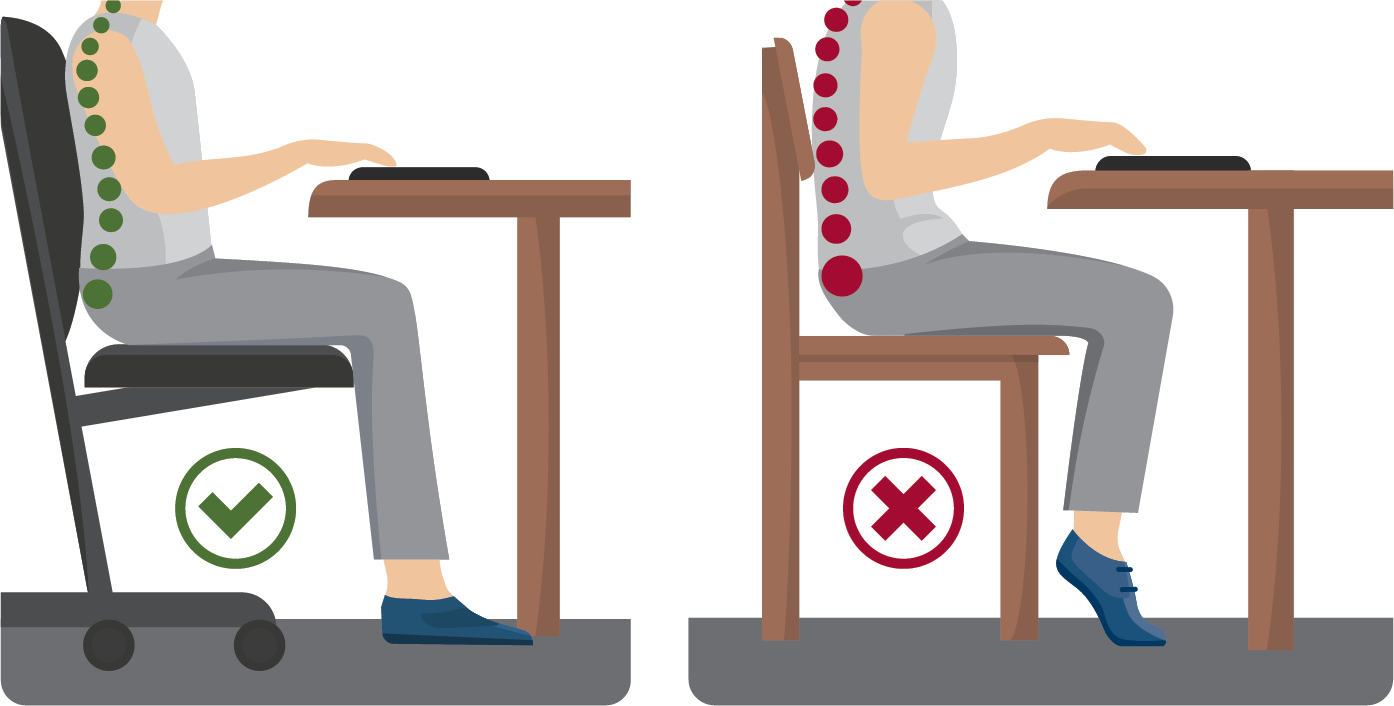
Embedding ergonomic principles into daily life acts as a preventative measure against discomfort and injury, setting the stage for enduring health. Changes in one's workspace, such as ensuring correct chair height and screen positioning, offer immediate supportive adaptations. Proper chair back-lumbar support further complements this.
Frequent breaks integrate effectively into working routines, keeping circulation dynamic and muscles loose. These regular intervals counteract projections of sedentary harm, fostering overall wellness within adjustable yet stable environments.
Ergonomics on the Go
Ergonomics extends beyond static environments, applying to mobile and other lifestyles. New habits, such as having conveniently placed mobile screens to avoid neck strain, reflect this balance. Shift carriers or straps to balance body weight evenly when carrying belongings, using backpacks to distribute weight effectively instead of relying on one shoulder alone.
This comprehensive adaptability in motion aligns with stable ergonomic principles that prioritize lasting body functionality paired with practical comfort.
Unraveling the Secrets of Posture with Yoga Wisdom
Yoga, by merging awareness of both body and mind, provides tools essential for achieving posture and balance. Techniques refine self-awareness, adjusting movements to naturally accommodate body structures, and improve energy flow while integrating mindfulness and breath.
Understanding Posture Through Yoga's Lens
Central to yoga practice is fostering acute perception of bodily alignment and habitual patterns that could lead to tension or injury. Deepening an understanding of these links is essential: recognizing one's habitual imbalances brings them to conscious attention, encouraging transformation towards healthier postures.
Breath also plays a key role, naturally harmonizing with movements, instilling calmness that influences posture positively. Each breath draws attention back to body awareness, promoting alignment automatically as tension dissolves.
Practical Yoga Techniques for Posture Correction
Specific poses in yoga, such as Mountain Pose, Warrior Postures, or Cat-Cow, correct imbalances and posture impasses. Incorporating such posture-oriented poses within routines motivates healthier body alignments. Yoga enhances core strength and fosters self-awareness for sustained benefits.
Engaging in poses that support strength, flexibility, and breathing leads to better postural habits overall. This continual exploration of mind-body connections naturally extends to enhanced body flexibility, more confident posture, and onward into self-sustaining vitality.
Incorporating yoga nurtures postural habits that thrive beyond lone practices into cultivated awareness, nurturing bodily health, and alignment every day.
Question and Answer
-
What role does muscle balance play in maintaining spine health?
Muscle balance is crucial for spine health as it ensures that no particular muscle group is overcompensating, which can lead to strain and injury. Balanced muscles support the spine evenly, maintaining proper alignment and reducing the risk of postural imbalances. Exercises that focus on both strengthening and stretching can promote muscle balance, aiding in the prevention of chronic pain and enhancing overall physical stability.
-
How can ergonomic sitting improve neck relief and overall posture?
Ergonomic sitting can significantly improve neck relief by ensuring that the spine is in a neutral position, reducing strain on the neck muscles. Using chairs with adequate lumbar support, adjusting the chair height so feet rest flat on the floor, and positioning the computer monitor at eye level are essential ergonomic practices. These adjustments help maintain a natural curve in the spine, preventing hunching and reducing the risk of neck and shoulder tension.
-
Why is core strength vital for spine health and posture?
Core strength is vital for spine health because it provides the foundational support necessary for maintaining good posture and spinal alignment. The core muscles act like a natural corset, stabilizing the spine and pelvis, which prevents slouching and reduces the risk of back pain. Engaging in exercises like planks and bridges can strengthen these muscles, enhancing posture and reducing the likelihood of injury during daily activities.
-
How does body awareness contribute to better posture and muscle balance?
Body awareness involves being mindful of how you hold and move your body throughout the day. This awareness helps identify and correct poor postural habits, such as slouching or leaning to one side. By consciously adjusting these habits, you can promote muscle balance and improve alignment. Techniques such as mindfulness and yoga can enhance body awareness, encouraging consistent postural adjustments that support spine health.
-
What practical steps can be taken to create an ergonomic environment that supports muscle harmony?
Creating an ergonomic environment involves setting up workspaces that accommodate natural body movements and reduce strain. This includes using adjustable chairs with lumbar support, positioning monitors at eye level, and ensuring that keyboards and mice are within easy reach to prevent overextension. Additionally, incorporating standing desks or active seating options like balance balls can promote dynamic movement, further supporting muscle harmony and reducing the risk of musculoskeletal disorders. Regular breaks to stretch and move are also vital to maintaining an ergonomic environment.